

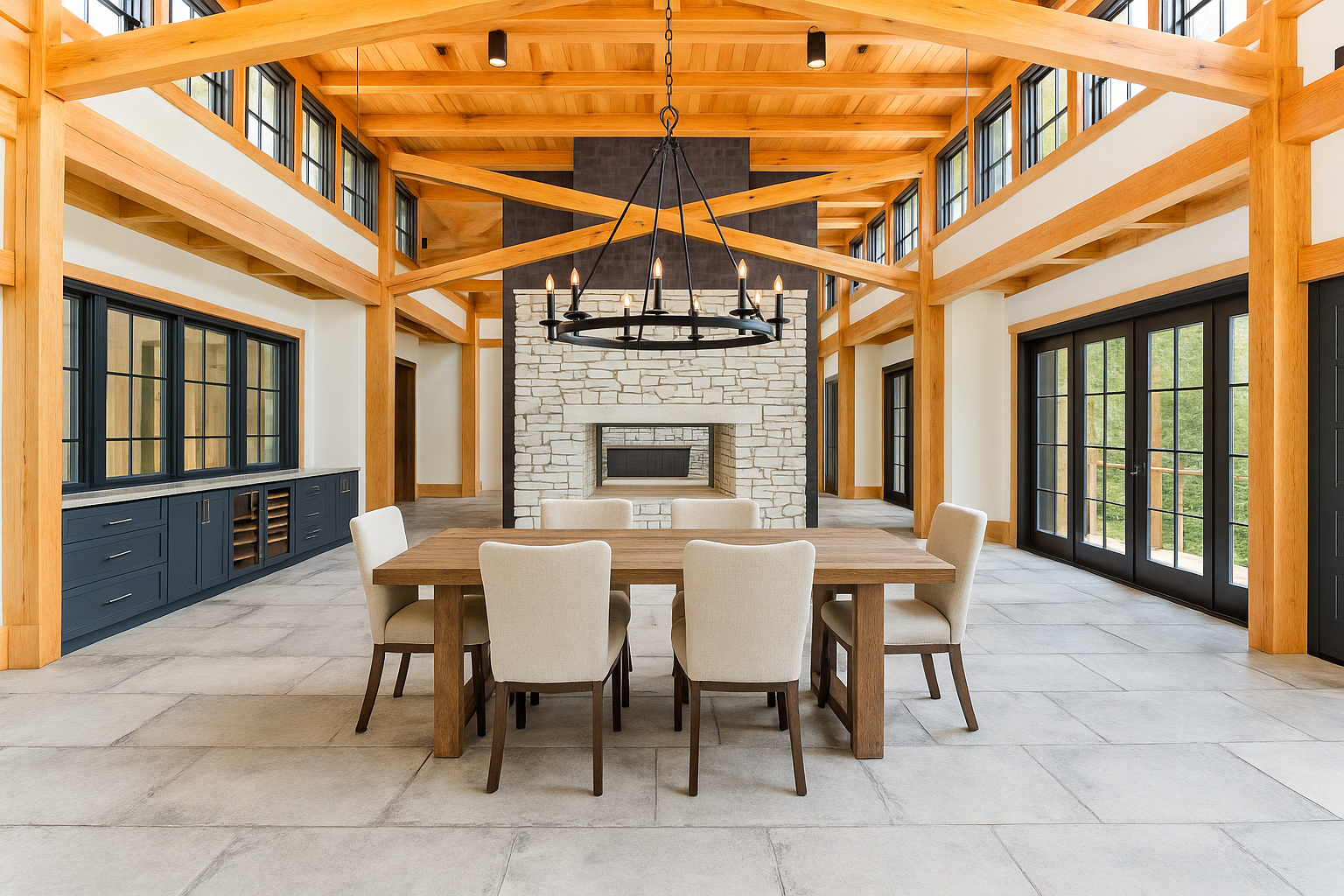
What Homeowners Wish They Knew Before Building Their First Custom Home
Building your first custom home is exciting, but it helps to know what to expect. In this article, we share insights homeowners wish they knew before starting—covering timelines, communication, decision-making, and how to enjoy the process. A must-read for anyone planning a custom home.
What Homeowners Wish They Knew Before Building Their First Custom Home
For many families, building a custom home is a lifelong dream—an opportunity to design a space that reflects your lifestyle, your values, and the way you want to live. But as exciting as the journey is, the process can feel overwhelming when it’s your first time.
At Mark Scott Homes, we’ve guided homeowners through every step, and most clients finish their homes saying the same thing: “We love our home… but we wish we had known this at the beginning.” Consider this your head start.
1) The Process Matters As Much As the Finished Home
A beautiful finished home is only part of the value. The experience—how decisions are made, how communication works, and how organized the process is—shapes everything.
What to look for in a builder’s process:
A clear roadmap from pre-design through move-in
A structured selections schedule (with deadlines)
Transparent budgeting and approvals
Regular progress updates
2) Timelines Are Influenced by More Than Construction
Many first-time builders assume the construction phase is the longest part. In reality, the stages before construction—design, selections, and permits—often determine how smoothly the build runs.
| Stage of the Journey | What Happens During This Stage | Typical Timeframe |
|---|---|---|
| Pre-Design & Budget Alignment | Clarifying vision, goals, scope, and investment comfort | 2–6 weeks |
| Architecture & Design | Floor plans, engineering, revisions, and design development | 8–20 weeks |
| Selections & Specifications | Finalizing materials, finishes, fixtures, and detailed specifications | 6–12+ weeks |
| Permits & Approvals | Municipality and/or HOA reviews and required approvals | Varies by location |
Takeaway: The more decisions you make early, the smoother (and faster) construction becomes.
3) Early Selections Save Time, Money, and Stress
It’s not just cabinets and paint colors—there are hundreds of decisions across fixtures, trims, hardware, grout, and more. A structured selections process:
Produces accurate pricing
Locks in long lead items
Reduces change orders
Keeps momentum in the field
If you’re a “need to see it to decide” person, ask your builder about mockups, showrooms, or design support.
4) Communication Is the Difference Between Enjoyable and Exhausting
Communication shouldn’t be ad hoc. It should be designed.
| Communication Standard | Why It Matters |
|---|---|
| One primary point of contact | Prevents confusion and mixed messages |
| Scheduled progress updates | Keeps you informed and reduces anxiety |
| Documented decisions | Ensures accuracy and protects expectations |
| Transparent cost & schedule tracking | Builds trust and reduces surprises |
| Timely responses to questions | Helps you feel supported and confident |
Tip: Ask your builder, “Who is my primary point of contact?” and “How often will we receive updates?”
5) Budgeting Is About Alignment and Clarity (Not Just the Lowest Price)
Comparing builders by price alone often leads to surprise costs later. Focus on clarity:
Are allowances aligned to your taste level?
Will you see actual costs and invoices?
How are changes communicated and approved?
How are price fluctuations handled?
| Question to Ask | Why It’s Important |
|---|---|
| Are allowances aligned with the finishes we want? | Prevents budget shock later |
| Will we see actual costs and invoices? | Builds financial transparency and trust |
| How are changes communicated and approved? | Protects you from surprise costs |
| How do you manage cost escalation or price changes? | Ensures proactive planning |
| What systems do you use to track project finances? | Keeps the budget on course |
Bottom line: A transparent builder protects your investment, not just quotes it.
6) The Team You Choose Shapes the Entire Experience
Look for a builder who values trust, communication, and long-standing trade relationships; who educates, guides, and advocates for you; and who treats your home like their own. The right team makes this journey memorable—in the best possible way.
Final Thought
You’re not expected to know everything before you begin—that’s our job. With clear communication, early selections, and a proven process, building your custom home can be a truly enjoyable experience from the first meeting to the final walkthrough.
Ready to talk through your plans? We’re here to help you start with confidence.
FOLLOW US ON SOCIAL



Energy Efficiency for Luxury Homes — What’s Worth It (and What’s Not)
Not all “green” upgrades deliver equal value. Here’s how to choose energy-efficient features that truly make a difference in your new custom home — from insulation to windows to smart systems.
Efficiency Should Feel Effortless
At Mark Scott Homes, we believe energy efficiency isn’t about chasing every shiny new technology — it’s about building smarter.
A truly efficient home should feel natural: comfortable year-round, quiet, and built to age gracefully with low operating costs.
In Southwest Michigan and Northwest Indiana, that means focusing on what actually pays off in our climate — and knowing which “eco” trends aren’t worth their buzzword price tag.
What’s Worth It: The High-Impact Upgrades
🧱 Insulation & Air Sealing
The biggest energy losses in homes come from air leakage — not lack of insulation.
We focus on tight building envelopes using spray foam, advanced caulking, and properly sealed penetrations. Combine that with well-insulated walls, attics, and rim joists, and you’ll see lower heating bills and quieter interiors.
🪟 High-Performance Windows
Near Lake Michigan, glass is both your view and your biggest vulnerability.
Triple-pane, low-E coated windows dramatically improve comfort and reduce drafts. We often recommend Marvin or Pella systems — beautiful, durable, and designed for coastal climates.
🌡️ Right-Sized HVAC Systems
Oversized HVAC systems are a silent budget killer. They short-cycle, waste energy, and wear out faster.
Our mechanical partners design systems matched precisely to the home’s size and insulation value — delivering perfect comfort, quietly and efficiently.
☀️ Smart Thermostats & Zoning
Smart thermostats are small investments with big returns. Pairing them with zoned HVAC lets you heat and cool areas independently, ideal for large homes or second homes you’re not in daily.
What’s Often Not Worth It
🚫 Overcomplicated Solar Systems
Solar panels can be worthwhile, but only when the home’s orientation, tree cover, and roof design cooperate. For many lakefront builds, panels face shading and storm exposure — so we recommend considering pre-wiring for future solar, not over-investing upfront.
🚫 Gimmicky “Green” Materials
Products that market themselves as “eco-friendly” can sometimes have more embedded energy than traditional materials. We prioritize locally sourced, durable, and low-maintenance materials — that’s the real sustainability.
🚫 Ultra-High-Tech Systems Without Local Support
That European radiant floor controller sounds great — until you can’t get parts.
We specify systems with strong U.S. support networks and proven track records for serviceability.
Building Efficiently Without Sacrificing Luxury
A well-built, energy-smart home doesn’t look different — it lives differently.
You’ll feel steady temperatures, quieter rooms, and the satisfaction of knowing every watt is working for you, not escaping through the roof.
Our approach is simple: spend smarter, not bigger. We guide homeowners toward features that actually perform in our lakeshore climate — combining efficiency, durability, and beauty.
Considering a custom home near Lake Michigan? Let’s design it to stay comfortable, beautiful, and energy-smart for decades. Contact Mark Scott Homes today to start planning your build.
FOLLOW US ON SOCIAL
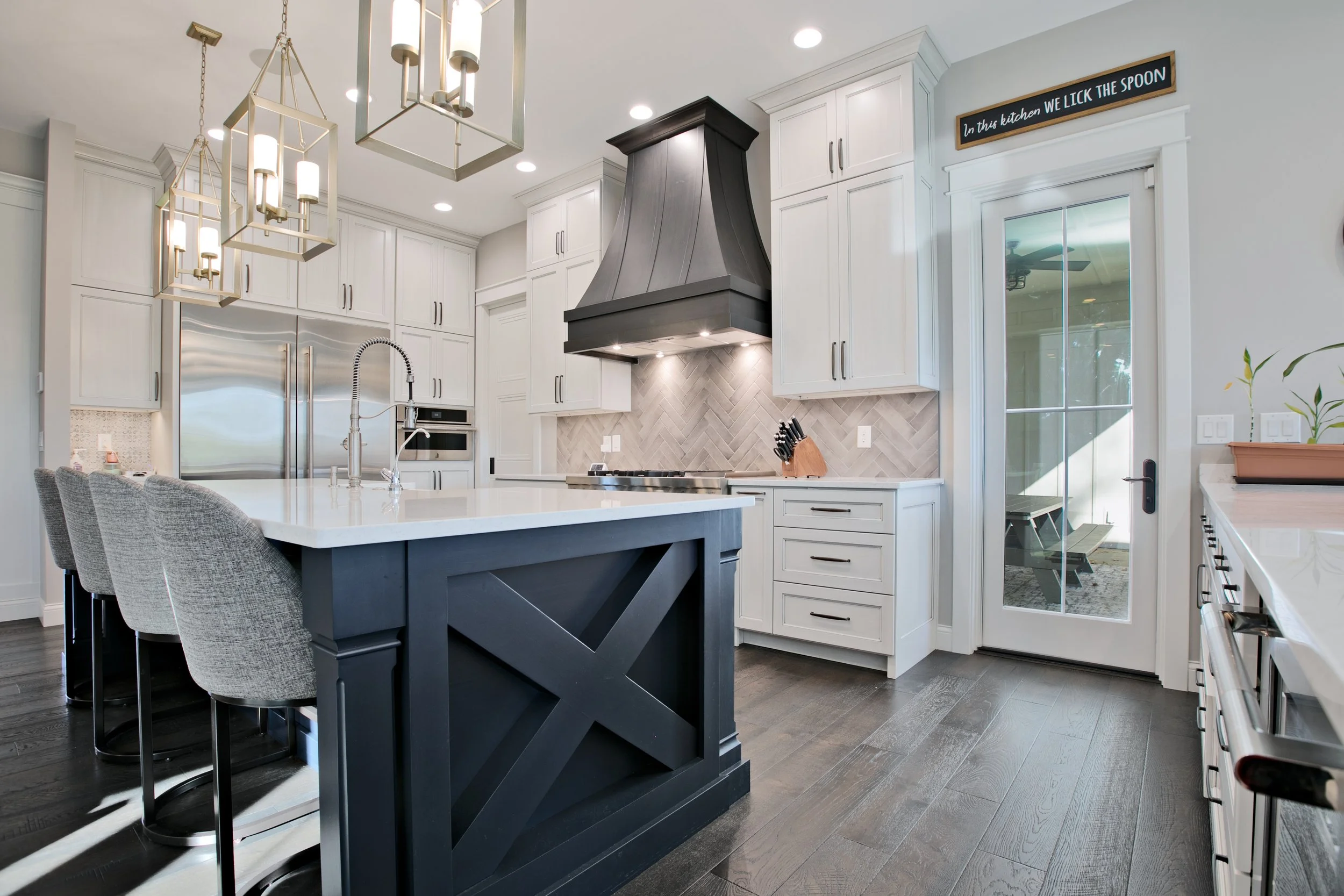
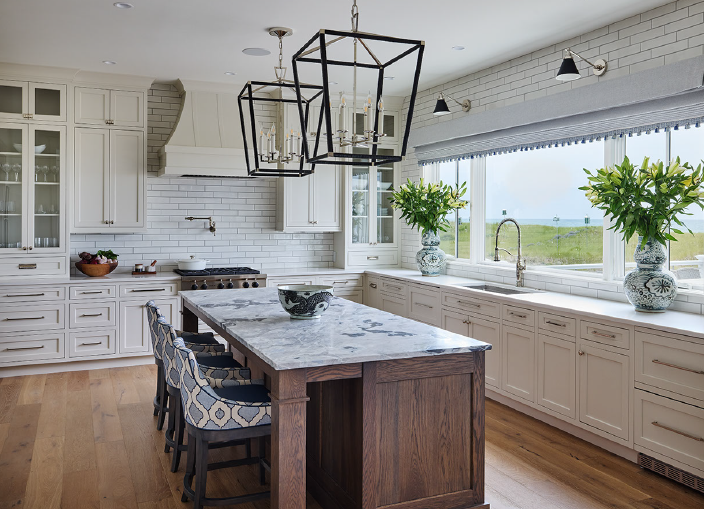
The Role of Quality Materials in Building a Custom Home
Your dream home deserves the best from the ground up. See how the right materials make all the difference in building a custom home that’s beautiful, durable, and built to last.
When you invest in building a home, you’re not just paying for walls and a roof—you’re investing in a space designed to last for decades, maybe even generations. While craftsmanship, design, and location matter, one factor underpins them all: the quality of the materials used.
At Mark Scott Homes, we believe that what’s behind the walls matters just as much as what you see every day. As a custom home builder in Southwest Michigan, we know quality materials are the foundation of a home you’ll love for years to come.
1. Durability That Withstands Time (and Michigan Weather)
Southwest Michigan and Northern Indiana homes face hot summers, frigid winters, and lakefront winds. Premium materials—like high-performance siding, weather-resistant roofing, and energy-efficient windows—protect your home against the elements while maintaining its beauty.
Homes built along the lakefront need to handle strong winds, snow, and seasonal changes—something we’ve mastered as a New Buffalo home builder.
Cheap materials may save money upfront, but they wear out faster, require frequent repairs, and can lead to costly replacements.
2. Long-Term Value and Lower Maintenance
Quality materials are a long-term investment. Products like engineered hardwood floors, quartz countertops, and solid wood cabinetry don’t just look stunning—they resist damage, reduce upkeep, and help your home maintain its value over time.
In fact, using top-tier materials can even help your home appraise higher when it comes time to sell. See examples in our lakefront home design gallery.
3. Healthier, More Comfortable Living
Not all materials are created equal when it comes to indoor air quality. Low-VOC paints, sustainable flooring, and mold-resistant drywall create a healthier environment for your family.
Better insulation and high-grade windows also keep your home more comfortable year-round while lowering energy bills.
4. Aesthetics That Don’t Fade
From natural stone fireplaces to custom millwork, premium materials age gracefully. They develop character instead of wearing out—and they tell a story of timeless design that you simply can’t achieve with bargain-bin alternatives.
5. Our Quality Promise
At Mark Scott Homes, we don’t cut corners. Every product we select—seen or unseen—is chosen for its performance, beauty, and ability to stand the test of time. It’s part of our promise to deliver a home that’s not just built, but crafted. Learn more about our building process.
Final Thoughts
Building your dream home is one of the biggest investments you’ll make. By choosing quality materials from the start, you protect that investment, elevate your daily living, and ensure that your home will still be turning heads decades from now.
Learn more about how to build a home that lasts and why the choices you make today matter for decades to come.
Ready to start your custom home journey? Let’s talk about how we can bring your vision to life—one quality detail at a time.
FOLLOW US ON SOCIAL

Understanding the Custom Home Building Timeline: How Long It Really Takes and Why
Curious how long it really takes to build a custom home? This post breaks down the full timeline—from initial planning to move-in day—so you know exactly what to expect. Whether you're building in Southwest Michigan or Northern Indiana, here’s how to plan with confidence.
Understanding the Custom Home Building Timeline: How Long It Really Takes and Why
Expert insight from your trusted custom home builder in Southwest Michigan
Building a custom home is an exciting and deeply personal journey—but one of the most common questions we hear at Mark Scott Homes is:
“How long does it actually take to build a custom home?”
While it would be nice to give a one-size-fits-all answer, the reality is that every home—and every homeowner—is different. From design complexity to permitting to weather, there are many moving parts. What we can tell you is this: understanding the timeline upfront helps create realistic expectations and a smoother experience from start to finish.
Here’s a detailed look at the phases of a custom home build and what influences the timeline.
🧭 Phase 1: Initial Consultation & Planning (1–4 Weeks)
Everything starts with a conversation. Whether you're building on Lake Michigan, in New Buffalo, or Granger, this phase is about:
Getting to know your goals, style, and must-haves
Reviewing your lot or helping you find one
Discussing timeline, process, and budget expectations
Determining if we’re the right fit for each other
By the end of this phase, you’ll have a clear understanding of what comes next.
🏗 Phase 2: Design & Pre-Construction (2–6 Months)
This is where vision meets detail. During the design phase, you’ll work closely with our team and your architect or designer to:
Finalize floor plans
Make key design decisions
Review structural elements
Begin the selections process
Submit for permits and approvals
Important note:
Permit timelines vary greatly depending on location and municipality—some coastal or lakefront properties in Southwest Michigan may take longer due to environmental or zoning regulations.
🚧 Phase 3: Site Prep & Foundation (1–2 Months)
Once permits are approved, the physical build begins:
Site clearing, grading, and utility prep
Excavation and foundation pour
Basement or crawlspace construction
Drainage and waterproofing
Weather can impact this phase, especially during the winter or rainy seasons.
🔨 Phase 4: Framing to Dry-In (1–2 Months)
This is when your home starts to take shape:
Framing the structure
Roofing, windows, and exterior doors installed
House “dried in” (protected from the elements)
This phase moves quickly, but accuracy is key. Our team ensures everything is squared, level, and built to last.
⚙️ Phase 5: Mechanical Rough-Ins & Insulation (1–2 Months)
Here’s where the behind-the-walls magic happens:
Electrical, plumbing, and HVAC systems installed
Inspections completed
Insulation and air sealing done to energy standards
We also continue selections and finalize finishes during this time.
🧱 Phase 6: Interior & Exterior Finishes (3–5 Months)
This is the most exciting phase—and also the most detailed:
Drywall, flooring, tile, cabinetry, trim
Painting, lighting, plumbing fixtures
Exterior siding, decking, driveways, and landscape prep
Custom homes often include high-end finishes that require precision and time. Quality takes priority over speed.
🧹 Phase 7: Final Touches & Walkthrough (2–4 Weeks)
We’re almost there:
Final inspections
Punch list items completed
Cleaning and preparation for move-in
New homeowner orientation and walkthrough
You’ll learn how to operate systems, maintain key features, and ask any last questions.
⏳ So... How Long Does It Take?
From first conversation to move-in, expect your custom home to take 12–18 months.
Larger, more complex homes—especially lakefront properties—may take a bit longer.
The more prepared and decisive you are during design and selections, the smoother and faster the process can go. Our team works proactively to keep things moving, communicate clearly, and ensure your home is completed to our uncompromising standards.
💬 Final Thought: Build with Clarity, Not Surprises
When you work with a builder like Mark Scott Homes, you're not just getting craftsmanship—you’re getting a guided experience designed to take the stress out of custom home building.
Whether you're ready to break ground or just starting to explore, we’re here to walk you through the process with honesty, expertise, and care.
🏡 Ready to Start the Conversation?
Contact us today to learn more about our process, schedule availability, and how we can help bring your dream home to life in Southwest Michigan or Northern Indiana.

How to Budget for a Custom Home: What People Forget to Include
Planning to build a custom home? Most homeowners budget for the basics—but overlook key costs like site work, furnishings, landscaping, and selections upgrades. In this post, Mark Scott Homes breaks down what people often forget to include in their budget and how to plan smarter from day one.
How to Budget for a Custom Home: What People Forget to Include
Expert budgeting tips from your custom home builder in Southwest Michigan
Building a custom home is an exciting investment in your future—but if you're not careful, budget surprises can turn that dream into stress. At Mark Scott Homes, we help clients plan with clarity from day one. We believe in open-book financials, smart planning, and no surprises.
Whether you’re building a vacation home on Lake Michigan or your forever home in Granger, here’s what many people forget to include in their custom home budget—and how to avoid the trap.
💰 The Base Budget: Where Most People Start
Your builder gives you a price per square foot or a preliminary estimate. Great—but that’s just the beginning.
There are several important cost categories that are often missed by homeowners new to the process. Here’s a breakdown of the hidden or underestimated items that can impact your final price.
🚧 1. Site Costs
Not all land is build-ready. Depending on your lot, you may need:
Soil testing or land clearing
Grading and excavation
Driveway installation
Septic systems or well drilling
Utility connections (electric, gas, internet)
Tip: When budgeting for a custom home in Michigan or Indiana, always consider site work early. We help homeowners evaluate lots before they buy to avoid surprises.
🎨 2. Selections Beyond “Standard”
Even a generous builder allowance might not cover the luxury features you envision. Common upgrades that add cost include:
High-end appliances
Custom cabinetry or millwork
Premium windows and doors
Natural stone countertops or tile
Designer light fixtures or plumbing
Tip: At Mark Scott Homes, we guide you through the selections process with realistic allowances based on your vision—not a lowball estimate to win your business.
🛋 3. Furnishings & Window Treatments
After you move in, your home still needs to be lived in. Many people forget to budget for:
Furniture for new spaces
Rugs, decor, or art
Blinds, shades, or drapes (which can add up quickly)
🌳 4. Landscaping & Outdoor Living
Outdoor spaces are often left out of the initial build budget, yet they’re key to enjoying your home. Don’t forget to include:
Grading and seeding or sod
Hardscaping like patios or walkways
Decks, porches, or outdoor kitchens
Irrigation systems or landscape lighting
Tip: If you’re building a Lake Michigan home, your outdoor areas matter just as much as your interior—plan accordingly!
📝 5. Contingency Budget
This is a big one. No matter how well you plan, surprises happen. From product delays to minor design changes, a contingency budget helps protect your peace of mind.
We recommend setting aside 5–10% of your overall project cost for the unexpected.
👷 6. Professional Fees & Permits
Depending on your project scope, you may also need to plan for:
Architectural design fees
Structural engineering
Interior design consulting
Permits and municipality fees
At Mark Scott Homes, we’re transparent about these up front and help you plan for every piece.
🧭 Final Thought: It’s Not Just the House—It’s the Experience
A great builder doesn’t just give you a number—they help you understand what’s behind the number. As a trusted custom home builder in Southwest Michigan, we make budgeting part of a guided, stress-free experience.
When you know what to expect (and what to budget for), building your dream home becomes an exciting journey—not an expensive surprise.
💬 Ready to Plan Smart?
If you're starting to plan your custom home in New Buffalo, Granger, St. Joseph, or anywhere in between—we’d love to help you get it right from day one.
Contact Mark Scott Homes to schedule a consultation and let’s start building smarter, together.
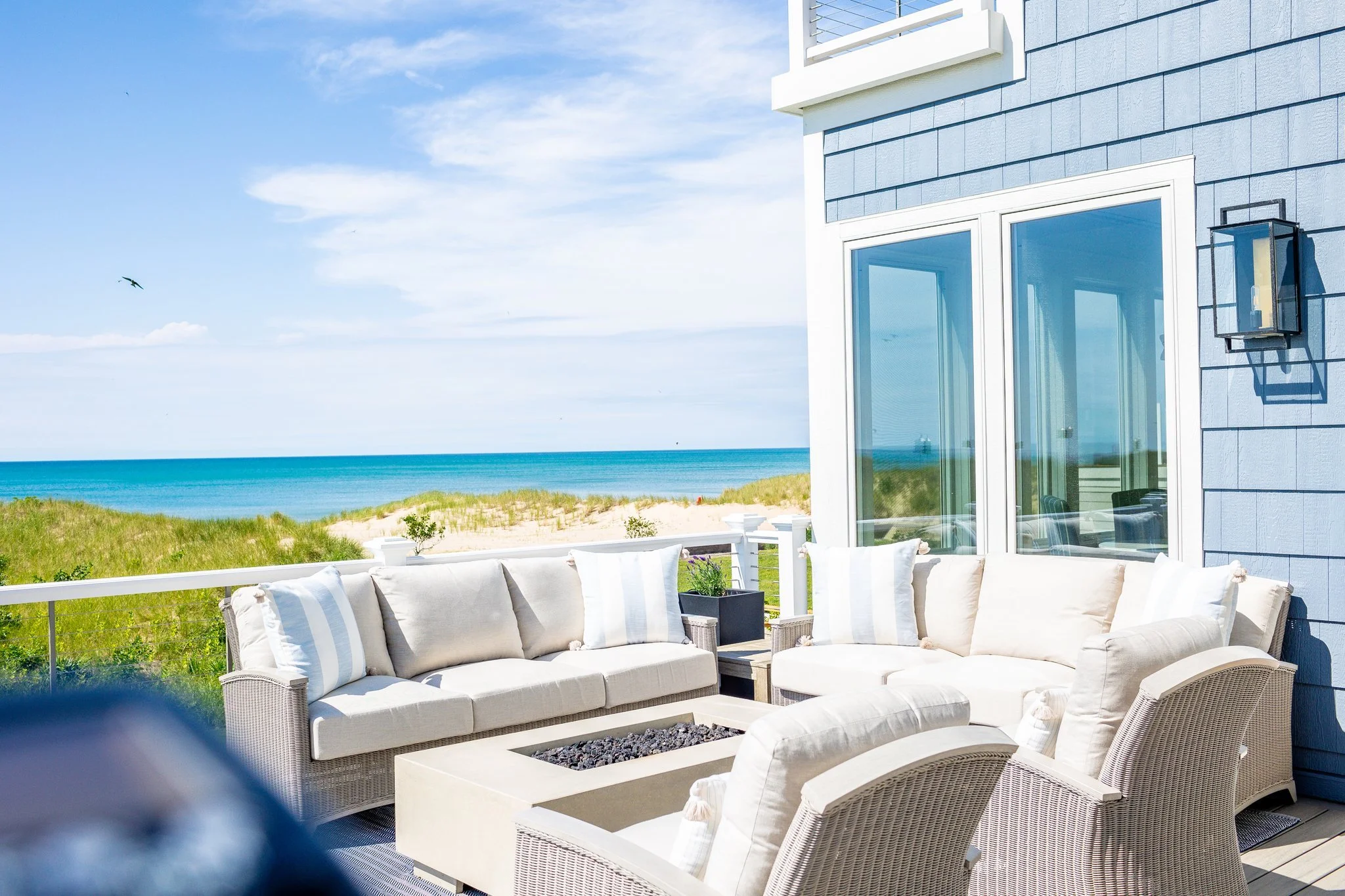
Why Price Per Square Foot Is Misleading
When it comes to building a custom home, “price per square foot” doesn’t tell the whole story. In fact, it can be one of the most misleading ways to compare builders. In this post, we break down why quality, design, and long-term value matter far more—and how Mark Scott Homes delivers a building experience that goes beyond the numbers.
1. It Doesn’t Reflect the Features That Matter to You
A 3,000-square-foot home with builder-grade materials will cost a lot less than a 2,500-square-foot home with custom millwork, premium windows, and top-tier appliances—but it doesn’t mean it’s a better value. What’s in the home matters more than the square footage.
2. It Ignores Design Complexity
A ranch-style home with a large footprint often costs more per square foot than a two-story home of the same size. Why? More roof, more foundation, more everything. Homes with multiple roof lines, large windows, or detailed exterior finishes also increase complexity and cost—but also beauty and performance.
3. It Doesn’t Consider Site Conditions
One of the biggest cost factors isn’t the house—it’s the land. Soil conditions, slope, utility access, and environmental requirements all influence the cost of building, especially in areas like Lake Michigan or the hills of Harbor Country.
🔍 What You Should Be Asking Instead
What goes into your standard build? (Materials, systems, level of finish)
How transparent is your pricing and process?
What kind of client experience do you provide from design to move-in?
What do your homes look and feel like 10+ years later?
These questions give you real insight into what your investment will bring you: not just a house, but a home built with integrity, longevity, and comfort in mind.
🏡 Why Quality Is Always the Better Investment
At Mark Scott Homes, we don’t compete on being the cheapest—we compete on being the best value for those who want it done right.
✅ Built to Last
We use proven building practices, high-quality materials, and expert craftsmen so your home is energy-efficient, low-maintenance, and built to stand the test of time.
✅ Tailored to You
Your home should reflect your lifestyle—not a one-size-fits-all template. We customize layouts, details, and finishes based on your goals, not just what fits into a box.
✅ Stress-Free Experience
We provide a guided, open-book building process that gives you control without the overwhelm. Our team handles the complexity so you don’t have to.
💬 Final Thought
Your custom home is likely the biggest investment you’ll ever make—not just in money, but in how you live, relax, and make memories with your family. So when it comes to cost, ask the deeper question:
What kind of home—and experience—do I want my investment to deliver?
If you’re ready to build smarter, not just cheaper, let’s talk.
Contact Mark Scott Homes today to schedule your first conversation.

Why Working with a Quality Builder Saves You Money in the Long Run
Choosing the lowest bid on a custom home might seem like a smart financial move, but cutting corners often leads to costly repairs and inefficiencies down the road. In this blog, we explore why working with a quality builder is an investment that saves you money in the long run—through expert craftsmanship, energy efficiency, and lasting value.
When it comes to building a custom home, the upfront cost can be a major factor in choosing a builder. It’s tempting to go with the lowest bid, but in home construction, you truly get what you pay for. Working with a quality builder—one who prioritizes craftsmanship, durable materials, and a well-executed process—actually saves homeowners money in the long run. Here’s why:
1. Fewer Repairs and Less Maintenance
A quality builder uses superior materials and skilled craftsmanship, which means fewer structural issues, leaks, or mechanical failures down the road. Cheaper builds often cut corners on materials and labor, leading to costly repairs in just a few years.
2. Energy Efficiency Pays Off
High-end builders understand the value of energy efficiency. From properly installed insulation to high-performance windows and HVAC systems, a well-built home can drastically reduce energy bills, saving homeowners thousands over the years.
3. Better Project Management = Fewer Cost Overruns
Experienced builders run efficient projects, reducing costly mistakes, rework, and delays. A well-managed build stays on track and within budget, preventing expensive last-minute fixes or change orders due to poor planning.
4. Higher Resale Value
A home built with quality craftsmanship and premium finishes holds its value better over time. Buyers recognize and are willing to pay more for a home built by a trusted, reputable builder. Poorly built homes may require significant upgrades to be marketable.
5. Peace of Mind: Warranties and Long-Term Support
A reputable builder stands by their work and offers warranties that protect homeowners. This means fewer out-of-pocket expenses for unexpected issues, whereas lower-cost builders may leave homeowners to deal with problems on their own.
The Bottom Line
Choosing a quality builder isn’t about paying more—it’s about investing wisely in a home that will stand the test of time. At Mark Scott Homes, we prioritize durability, energy efficiency, and expert craftsmanship to ensure our homeowners enjoy lasting value, lower maintenance costs, and a superior living experience.
Thinking about building or renovating? Let’s talk about how we can help you save money in the long run with quality craftsmanship.
Change orders aren’t always a bad thing—but they can cause budget and schedule stress if they aren’t managed correctly. Here’s what change orders really mean, what triggers them, and how a great builder keeps them under control.