


2025 Design & Lifestyle Trends for Luxury Lake and Vacation Homes
From coastal-Midwest elegance to indoor-outdoor living, discover the top luxury lake home design trends shaping 2025. See how to create a timeless retreat you’ll love year-round.
2025 Design & Lifestyle Trends for Luxury Lake and Vacation Homes
Lake and vacation homes have always offered a unique sense of escape—but in 2025, they’re becoming more purposeful, more personalized, and more connected to natural surroundings. Families aren’t just building a second home; they’re creating a retreat that supports the way they want to live.
At Mark Scott Homes, we design and build luxury lake homes throughout Southwest Michigan and Northern Indiana—and while national trends offer inspiration, we believe the best homes are those tailored to the Great Lakes lifestyle.
Below, we’re sharing seven of the most meaningful 2025 trends for luxury lake and vacation homes, along with how they translate to lakefront living in our region.
1) Elevated Indoor–Outdoor Living
Lake living is all about enjoying the view, the breeze, and the connection to nature. In 2025, homeowners are taking this further by designing spaces that erase the line between inside and out.
Key elements we’re seeing:
Four-season rooms with retractable glass walls
Covered outdoor patios with heating for year-round use
Outdoor kitchens designed as true “second kitchens”
Seamless flooring transitions to extend sightlines
Local Insight: With the varied Midwest seasons, four-season rooms and heated patios are especially valuable—they extend lake enjoyment beyond summer months.
2) Calm, Natural, and Regionally Inspired Design
While coastal blues and whites will always have a place in lake homes, 2025 is embracing a more natural, organic design palette that reflects the surrounding environment.
Design features include:
Natural wood tones and light-stained oak
Neutral, warm earth-based palettes
Textured finishes and handcrafted elements
Stone, limewash, and natural fiber materials
Local Insight: Great Lakes-inspired design blends beautifully with the wooded dunes, sandy shorelines, and freshwater landscape of Southwest Michigan and Northern Indiana.
3) Spa-Like Retreat Spaces
People don’t want to visit a spa—they want to live like they’re in one. Luxury lake homes are prioritizing relaxation spaces that feel like boutique wellness resorts.
Features we’re seeing:
Steam showers, infrared saunas, and soaking tubs
Heated floors and towel warmers
Dedicated wellness rooms for yoga, stretching, or meditation
Local Insight: Wellness rooms are becoming just as common as home gyms, especially for those using their second home to decompress from city life.
| Trend | What It Means for Homeowners | How It Shows Up in Luxury Lake Homes | Why It Matters Long-Term |
|---|---|---|---|
| Elevated Coastal Midwest Elegance | A timeless, relaxed-luxury aesthetic—Nantucket meets Lake Michigan | Soft neutrals, natural wood, stone, and refined yet understated finishes | Remains elegant for decades — avoids trend fatigue |
| Indoor-Outdoor Living Integration | Comfortable, seamless living inside and out | Multi-panel doors, covered patios, outdoor kitchens, fire features | Expands living space and increases resale value |
| Multi-Season Lake Living | Homes built to enjoy year-round, not just in summer | Heated patios, 4-season rooms, upgraded insulation, fireplaces | Improves comfort and rental/investment potential |
| Smart, Low-Maintenance Luxury | Tech + materials that simplify second-home ownership | Durable finishes, remote monitoring, low-maintenance landscaping | Reduces upkeep and worry when away |
| Multi-Gen & Flexible Use Spaces | Spaces that adapt to guests, family, work, or rental needs | Bunk rooms, convertible offices, private suites | Maximizes usability for changing lifestyles |
| Wellness & Retreat-Inspired Living | Homes that promote rest, health, and connection | Spa baths, saunas, cozy nooks, natural light, calm palettes | Supports mental & physical wellbeing |
| Thoughtful Storage & “Arrival” Spaces | Designed organization that supports lake life | Gear storage, drop zones, towel/boat storage, mudrooms | Keeps the home tidy, functional & guest-friendly |
4) Multi-Generational & Flexible Living Spaces
Lake homes are increasingly designed for hosting extended family and friends. Spaces must adapt to guests of all ages—with privacy and comfort in mind.
Top requests include:
Main-level suites for aging parents or grandparents
Bunk rooms for kids and teens (with built-in charging, please!)
Flexible spaces that convert from guest room → office → hobby space
Local Insight: Many Chicago-based families are building second homes here specifically to bring generations together for holidays, summers, and weekend stays.
5) Smart Storage Designed for Lake Life
Storage is becoming smarter, not bigger. The goal is to maximize function—especially around lakes, where activities change with the seasons.
Smart Storage Ideas:
Lakeside entry “drop zones” with hooks, cubbies, and durable flooring
Seasonal storage for boating, beach gear, winterwear, and sports items
Built-in garage organization and utility sinks
Hidden storage integrated into custom cabinetry and furniture
Local Insight: Sand-friendly, water-resistant finishes in mudrooms are not just nice to have—they’re essential for Lake Michigan living.
6) Multi-Sensory Lighting & Atmosphere
Lighting is no longer just functional—it's experiential. In 2025, homeowners are layering various types of lighting to shape mood, comfort, and visual warmth.
Design upgrades include:
Layered lighting plans (ambient, accent, and task lighting)
Warm color temperature lighting that shifts throughout the day
Architectural lighting—cove, toe-kick, under-shelf, and landscape
Local Insight: Soft, warm lighting enhances the natural calm of lake environments and brings depth to evening lake views.
7) Designing for Year-Round Enjoyment
More families want their lake home to function as a true four-season retreat—not just a summer destination.
Four-season upgrades include:
High-efficiency HVAC systems with zoned controls
Heated garages and insulated bonus spaces
Low-maintenance exterior materials that withstand Midwest winters
Fireplaces inside and out for seasonal ambiance
Local Insight: We are seeing more clients winterize spaces traditionally used only in summer—like screened porches—so they remain usable 365 days a year.
Final Thought
Luxury lake and vacation homes in 2025 are rooted in intentional living—connecting with nature, creating meaningful experiences, and designing spaces that support rest, recreation, and relationships.
Whether you’re dreaming of a modern lakehouse retreat or a timeless multi-generational home, Mark Scott Homes can help you bring your vision to life with thoughtful design, regional expertise, and quality craftsmanship from foundation to finish.
When you’re ready to explore your ideas, we’d be happy to guide your next steps.
FOLLOW US ON SOCIAL



Energy Efficiency for Luxury Homes — What’s Worth It (and What’s Not)
Not all “green” upgrades deliver equal value. Here’s how to choose energy-efficient features that truly make a difference in your new custom home — from insulation to windows to smart systems.
Efficiency Should Feel Effortless
At Mark Scott Homes, we believe energy efficiency isn’t about chasing every shiny new technology — it’s about building smarter.
A truly efficient home should feel natural: comfortable year-round, quiet, and built to age gracefully with low operating costs.
In Southwest Michigan and Northwest Indiana, that means focusing on what actually pays off in our climate — and knowing which “eco” trends aren’t worth their buzzword price tag.
What’s Worth It: The High-Impact Upgrades
🧱 Insulation & Air Sealing
The biggest energy losses in homes come from air leakage — not lack of insulation.
We focus on tight building envelopes using spray foam, advanced caulking, and properly sealed penetrations. Combine that with well-insulated walls, attics, and rim joists, and you’ll see lower heating bills and quieter interiors.
🪟 High-Performance Windows
Near Lake Michigan, glass is both your view and your biggest vulnerability.
Triple-pane, low-E coated windows dramatically improve comfort and reduce drafts. We often recommend Marvin or Pella systems — beautiful, durable, and designed for coastal climates.
🌡️ Right-Sized HVAC Systems
Oversized HVAC systems are a silent budget killer. They short-cycle, waste energy, and wear out faster.
Our mechanical partners design systems matched precisely to the home’s size and insulation value — delivering perfect comfort, quietly and efficiently.
☀️ Smart Thermostats & Zoning
Smart thermostats are small investments with big returns. Pairing them with zoned HVAC lets you heat and cool areas independently, ideal for large homes or second homes you’re not in daily.
What’s Often Not Worth It
🚫 Overcomplicated Solar Systems
Solar panels can be worthwhile, but only when the home’s orientation, tree cover, and roof design cooperate. For many lakefront builds, panels face shading and storm exposure — so we recommend considering pre-wiring for future solar, not over-investing upfront.
🚫 Gimmicky “Green” Materials
Products that market themselves as “eco-friendly” can sometimes have more embedded energy than traditional materials. We prioritize locally sourced, durable, and low-maintenance materials — that’s the real sustainability.
🚫 Ultra-High-Tech Systems Without Local Support
That European radiant floor controller sounds great — until you can’t get parts.
We specify systems with strong U.S. support networks and proven track records for serviceability.
Building Efficiently Without Sacrificing Luxury
A well-built, energy-smart home doesn’t look different — it lives differently.
You’ll feel steady temperatures, quieter rooms, and the satisfaction of knowing every watt is working for you, not escaping through the roof.
Our approach is simple: spend smarter, not bigger. We guide homeowners toward features that actually perform in our lakeshore climate — combining efficiency, durability, and beauty.
Considering a custom home near Lake Michigan? Let’s design it to stay comfortable, beautiful, and energy-smart for decades. Contact Mark Scott Homes today to start planning your build.
FOLLOW US ON SOCIAL
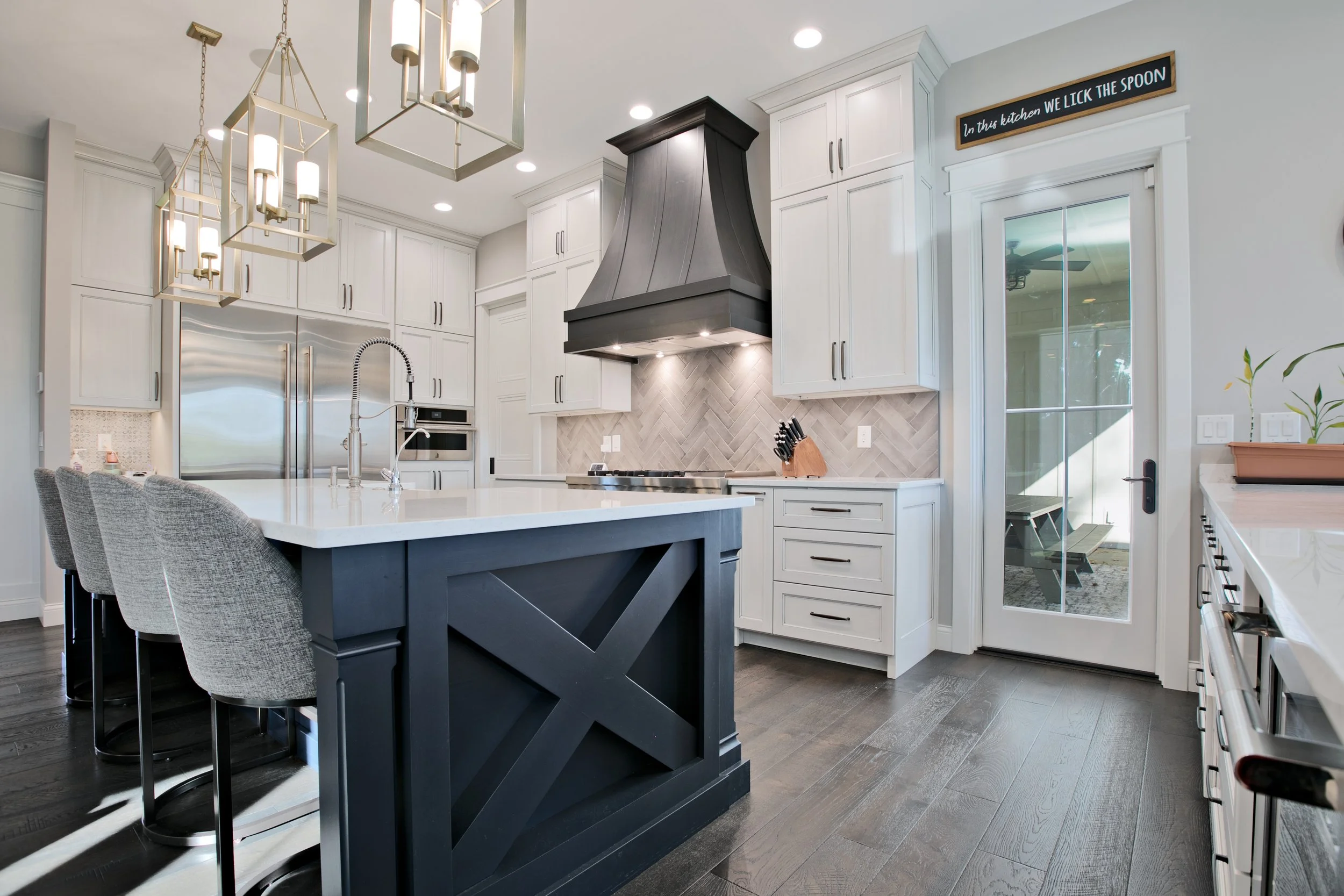
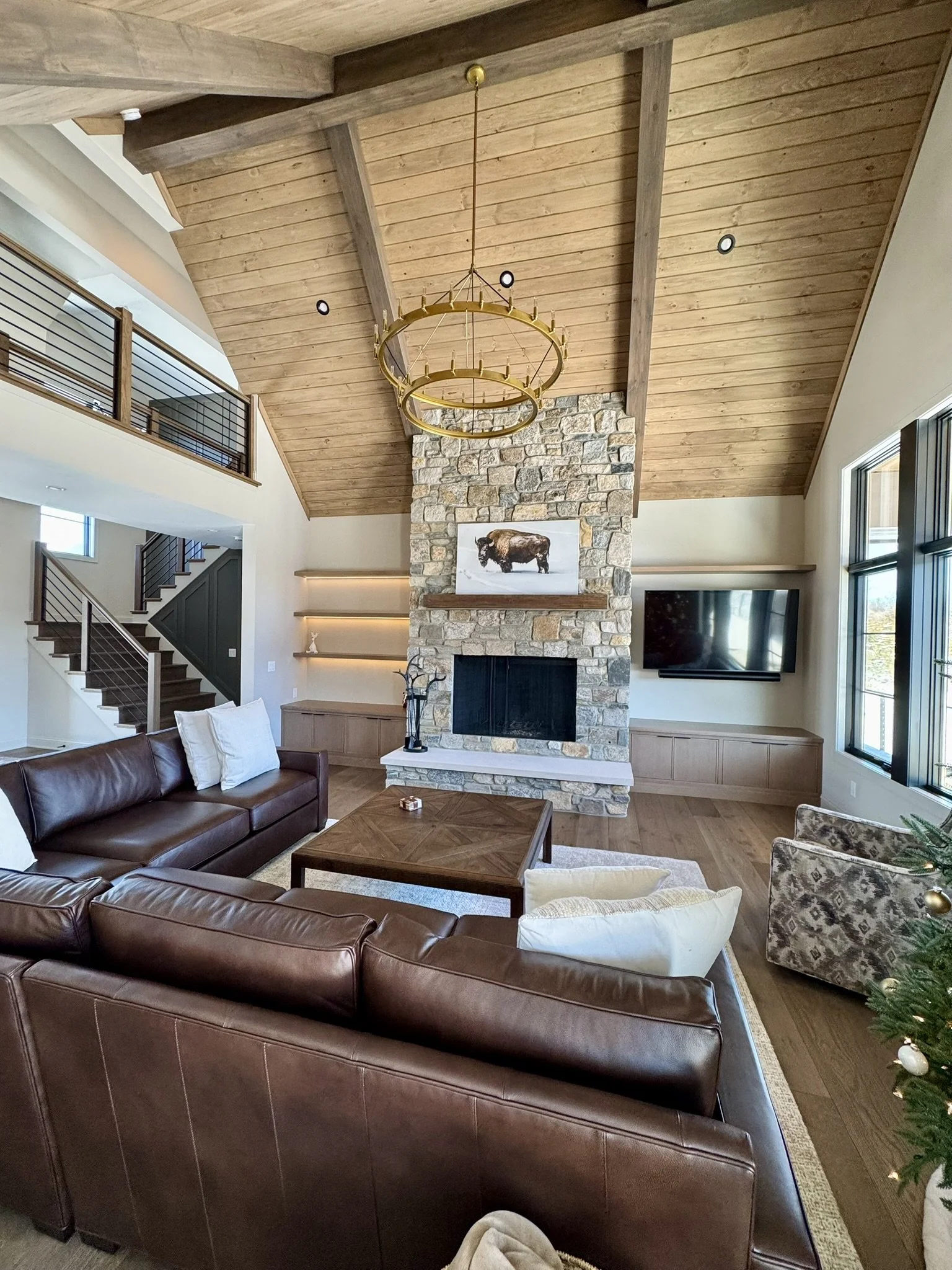
Top 5 Custom Home Trends for 2025
As we step into 2025, luxury home design is evolving to combine innovation, sustainability, and personal expression. From AI-powered smart homes to resort-style outdoor living, today’s homeowners are seeking cutting-edge features that enhance both aesthetics and functionality. In this blog, we explore the top five luxury home trends shaping the future of custom living. Whether you’re planning to build or renovate, these design innovations will elevate your home and lifestyle. Discover how Mark Scott Homes can bring your vision to life.
The Future of Luxury Living:
As we enter 2025, luxury home design is reaching new heights, blending innovation, sustainability, and personal expression to create truly exceptional living spaces. Today’s homeowners want more than just aesthetic appeal—they seek functional, high-tech, and environmentally conscious designs that enhance their lifestyles. Here are the top five trends shaping luxury custom homes in 2025:
1. Sustainable Luxury: Eco-Friendly Meets Elegance
Sustainability is no longer just a trend—it’s an expectation. Modern luxury homes integrate eco-conscious solutions while maintaining the elegance and sophistication expected at the highest level of design. Key features include:
Net-Zero Homes – Residences that generate as much energy as they consume, utilizing solar panels, geothermal heating, and battery storage systems.
Sustainable Materials – High-end finishes such as carbon-negative concrete, reclaimed wood, and cork flooring provide durability and style while reducing environmental impact.
Smart Landscaping – Thoughtfully designed outdoor spaces featuring native plants, rainwater harvesting systems, and AI-driven irrigation to minimize water waste and enhance curb appeal.
2. AI-Powered Smart Homes: The Future of Convenience
Luxury living is becoming more intuitive with AI-driven technology creating homes that adjust seamlessly to their owners’ lifestyles. Key innovations include:
AI-Integrated Home Assistants – Systems that learn and adapt to daily routines, optimizing lighting, climate control, and energy efficiency.
Predictive Maintenance Sensors – Smart home technology that detects and prevents maintenance issues before they become costly repairs.
Immersive Media & Entertainment Rooms – Cutting-edge AV setups that deliver a cinematic experience in the comfort of your own home.
3. High-End Kitchen Innovations: A Culinary Experience
In 2025, luxury kitchens are more than just a place to cook—they’re designed for an immersive and interactive experience that blends aesthetics with technology. Key elements include:
Hidden Kitchens – Sleek, minimalist spaces where appliances and storage seamlessly blend into custom cabinetry.
Smart & Interactive Appliances – AI-powered ovens and refrigerators that offer personalized recipe recommendations and grocery tracking.
Statement Lighting & Sculptural Islands – Bold, artistic elements that make the kitchen a focal point of the home.
4. Resort-Style Outdoor Living: Expanding the Home Beyond Four Walls
Luxury outdoor spaces are transforming into all-season retreats that rival the world’s top resorts. Homeowners are prioritizing comfort, entertainment, and wellness with features like:
Luxury Pools & Fire Features – Stunning architectural designs that blend water and flame for a breathtaking ambiance.
Climate-Controlled Patios – Outdoor spaces equipped with retractable screens, and heating elements for year-round comfort.
Outdoor Wellness Retreats – Private yoga decks, cold plunge pools, and meditation gardens that offer a sanctuary of relaxation.
5. Wellness-Focused Interiors: Elevating Everyday Living
Luxury home design is increasingly centered on health and well-being, creating spaces that promote relaxation and rejuvenation. Essential elements include:
Biophilic Design – Natural materials, indoor greenery, and ample natural light to create a seamless connection with the outdoors.
Quiet Luxury Elements – Soundproof meditation rooms, ergonomic furniture, and spa-inspired bathrooms designed for ultimate relaxation.
Advanced Air & Water Filtration – Cutting-edge purification systems ensuring superior indoor air and water quality for a healthier lifestyle.
Transform Your Home with Mark Scott Homes
The future of luxury living is here, and at Mark Scott Homes, we specialize in bringing these trends to life with expert craftsmanship, innovative design, and an unwavering commitment to quality. Whether you’re looking to build a custom dream home or renovate an existing space, our team is here to help you create a home that blends cutting-edge technology, sustainability, and timeless design.
Ready to start your custom home journey? Contact us today to schedule a consultation and let’s build something extraordinary together.

Top 10 Custom Home Trends for 2025
As we approach 2025, custom home design is evolving to meet the demands of modern lifestyles, technological advancements, and timeless aesthetics. At Mark Scott Homes, we’re dedicated to staying ahead of these trends to ensure your dream home not only reflects your unique style but also embraces the latest innovations. Here are the top 10 custom home trends for 2025:
As we approach 2025, custom home design is evolving to meet the demands of modern lifestyles, technological advancements, and timeless aesthetics. At Mark Scott Homes, we’re dedicated to staying ahead of these trends to ensure your dream home not only reflects your unique style but also embraces the latest innovations. Here are the top 10 custom home trends for 2025:
1. Sustainable Design
Eco-conscious homeowners are prioritizing sustainability, from energy-efficient systems to reclaimed materials. Features like solar panels, geothermal heating, and eco-friendly building materials are becoming must-haves.
Pro Tip: Incorporate smart irrigation systems and drought-resistant landscaping for sustainability that extends outdoors.
2. Smart Home Technology Integration
The future is all about smart living. From lighting and climate control to kitchen appliances and security systems, integrated smart technology is making homes more convenient, efficient, and intuitive.
Trending Feature: Voice-controlled kitchens with appliances that sync to your daily routines.
3. Flexible, Multi-Use Spaces
With hybrid work and lifestyle trends continuing, homeowners need spaces that adapt. Rooms designed for dual purposes—like home offices that convert into guest rooms or playrooms—are highly sought after.
Our Tip: Consider modular furniture or hidden storage solutions to maximize functionality.
4. Cozy, Textured Interiors
Goodbye, minimalism. 2025 is ushering in a wave of warm, textured interiors that prioritize comfort. Layered fabrics, natural wood finishes, and earthy tones create inviting, cozy environments.
Example: Add depth with textured walls, statement rugs, and plush furnishings.
5. Bold, Personalized Kitchens
Kitchens are stepping into the spotlight as bold, statement-making spaces. Homeowners are opting for vibrant colors, mixed materials, and artistic design elements to create a functional yet unforgettable heart of the home.
Hot Trend: Two-tone cabinetry, bold backsplashes, and waterfall-edge countertops.
6. Spa-Like Bathrooms
Bathrooms are transforming into personal sanctuaries. From freestanding tubs and rainfall showers to heated floors and mood lighting, homeowners are prioritizing luxurious, spa-inspired features.
Don’t Miss: Backlit mirrors and built-in aromatherapy systems for an extra touch of indulgence.
7. Outdoor Living Spaces
Outdoor spaces continue to grow in importance as extensions of the home. Features like fully equipped outdoor kitchens, firepits, and heated patios make these areas usable year-round.
What’s New: Retractable glass walls that create seamless transitions between indoors and outdoors.
8. Energy Storage Solutions
With renewable energy on the rise, energy storage systems are becoming a popular feature. These systems not only ensure reliable power during outages but also enhance overall energy efficiency.
Look For: Stylish, space-saving battery systems that integrate seamlessly into your home.
9. Statement Lighting
Lighting in 2025 is more than just functional—it’s a form of self-expression. Oversized pendants, artistic chandeliers, and layered lighting add drama and personality to every room.
Pro Tip: Combine sculptural statement pieces with recessed lighting to balance style and practicality.
10. Customized Floor Plans
Homeowners are ditching cookie-cutter layouts in favor of fully personalized floor plans. Whether it’s wellness rooms, pet-friendly spaces, or hidden features like secret doors, customization is king.
Fun Idea: Include a game room, home bar, or custom library to reflect your hobbies and lifestyle.
At Mark Scott Homes, we bring these trends to life while ensuring your home remains timeless and functional. Whether you’re envisioning a bold kitchen, a cozy retreat, or cutting-edge smart technology, we’re here to make it happen.

Top Design Trends for New Homes in 2024
As we near the end of 2024, new home design trends reflect an exciting shift towards a balance of modern innovation and timeless comfort. Homeowners are looking for spaces that cater to evolving lifestyles, embrace sustainability, and offer personalized functionality. If you’re considering building a new home this year, here are the top design trends that can inspire your vision and help you stay ahead of the curve.
As we near the end of 2024, new home design trends reflect an exciting shift towards a balance of modern innovation and timeless comfort. Homeowners are looking for spaces that cater to evolving lifestyles, embrace sustainability, and offer personalized functionality. If you’re considering building a new home this year, here are the top design trends that can inspire your vision and help you stay ahead of the curve.
1. Sustainability Takes Center Stage
Eco-friendly materials and energy-efficient designs continue to be at the forefront of homebuilding. More homeowners are choosing sustainable options like solar panels, energy-efficient windows, and reclaimed or renewable materials such as bamboo, cork, and recycled metal. Insulation improvements and smart home technologies further contribute to reducing energy consumption, appealing to eco-conscious buyers looking to lessen their environmental footprint.
Key Features:
Solar-powered homes
Water-saving fixtures
Recycled and renewable building materials
2. Biophilic Design: Bringing Nature Indoors
Biophilic design, which focuses on integrating nature into the home, is gaining momentum. Large windows that let in ample natural light, indoor plants, and the use of natural materials like stone, wood, and greenery create a connection to the outdoors. This trend promotes well-being by boosting mental health and creating a calming, peaceful environment.
Key Features:
Indoor greenery walls or plant corners
Natural materials like wood and stone
Expansive windows with views of outdoor spaces
3. Multi-Functional Spaces
With more families working and studying from home, the demand for multi-functional spaces has surged. Homeowners want rooms that can easily transition from home office to gym, or from a cozy den to a guest bedroom. Flexibility is key, and open floor plans that allow customization for different uses have become increasingly popular.
Key Features:
Flexible layouts for office, gym, or studio space
Rooms with adaptable, modular furniture
Open-concept living areas that flow into outdoor spaces
4. Smart Home Technology Integration
Smart homes are no longer a futuristic concept but a mainstream reality. In 2024, integrating technology seamlessly into daily life is a priority for homeowners. Voice-activated systems, smart lighting, and advanced security features like facial recognition and video doorbells are must-haves. Smart kitchens equipped with appliances that you can control via your smartphone are also growing in popularity.
Key Features:
Voice-activated home automation systems
Smart lighting and thermostat controls
Advanced security systems integrated with AI
5. Minimalist and Scandinavian Influences
Simplicity and functionality define the minimalist trend, with Scandinavian-inspired interiors continuing to capture the imagination of homeowners. Clean lines, neutral color palettes, and uncluttered spaces create a sense of calm and order. Light woods, cozy textures, and a less-is-more aesthetic allow homeowners to make their spaces feel more open and inviting.
Key Features:
Neutral color schemes with warm accents
Light wood tones and minimalistic furniture
Textured fabrics like wool and linen for comfort
6. Bold Colors and Personal Expression
While minimalism remains a dominant trend, bold colors are making a comeback in accent walls, cabinetry, and décor. Homeowners are using color to express their personalities and add vibrancy to their homes. Rich jewel tones like emerald green, navy blue, and deep reds are increasingly seen in living spaces, along with earthier hues that provide warmth.
Key Features:
Bold accent walls in living rooms or bedrooms
Vibrant cabinetry or furniture pieces
Jewel tones paired with natural textures
7. Outdoor Living Spaces
As homeowners continue to prioritize outdoor spaces, designing patios, decks, and gardens that extend the livable area of the home has become a key focus. Outdoor kitchens, fire pits, and comfortable lounge areas are making backyards more functional year-round. Retractable glass walls that blend indoor and outdoor spaces are also gaining popularity for their ability to bring fresh air and light into the home.
Key Features:
Outdoor kitchens and dining areas
Comfortable lounge seating and fire pits
Retractable glass walls or sliding doors
8. Wellness-Focused Design
Homeowners are looking for ways to create sanctuaries within their homes that promote wellness. Spa-like bathrooms with soaking tubs, steam showers, and heated floors offer a retreat from the outside world. Home gyms, yoga studios, and meditation rooms are also becoming more common, catering to a health-conscious mindset.
Key Features:
Spa-inspired bathrooms with luxurious features
Home gyms or yoga studios
Indoor air quality systems for healthier living
9. Vintage and Retro Aesthetics
A touch of nostalgia has found its way into 2024 home design. Vintage and retro styles from the 70s and 80s are being revived, but with a modern twist. Statement lighting fixtures, mid-century furniture, and vintage décor pieces are being incorporated into homes, blending old-world charm with contemporary flair.
Key Features:
Mid-century modern furniture
Statement vintage lighting
Retro-inspired color palettes and patterns
10. Maximizing Small Spaces
Tiny homes and efficient use of space continue to gain traction, particularly as urban living becomes denser. Clever storage solutions, built-in furniture, and space-saving designs are critical for making small spaces functional without sacrificing style. Even in larger homes, maximizing space with well-thought-out designs is becoming a priority.
Key Features:
Built-in storage solutions
Murphy beds and foldable furniture
Smart kitchen designs for compact spaces
Conclusion
2024 is shaping up to be an exciting year for new home designs, with a focus on sustainability, wellness, and versatility. Whether you’re planning a new build or renovating an existing space, these trends will help you create a home that meets your needs while staying stylish and ahead of the curve. At Mark Scott Homes, we’re excited to bring these cutting-edge design trends to life, delivering custom homes that blend innovation with timeless quality.
Interested in building your dream home? Contact us at Mark Scott Homes to explore how we can bring these trends to your next project.
What is a Barndominium?
If you’ve been exploring custom home options, you may have come across the term barndominium. While the name might sound a little unusual, barndominiums—often called barndos—are gaining popularity as a stylish, cost-effective, and flexible way to build a home. So, what exactly is a barndominium, and why are so many people choosing to build them? Let’s dive into this unique housing trend.
What is a Barndominium?
A barndominium is essentially a barn that has been transformed into a residential home, or a new structure designed to look like a barn but built as a fully functional living space. Traditionally, barns were used for agricultural purposes, but modern barndominiums offer a fusion of rustic charm and contemporary comforts.
These homes typically feature an open-concept floor plan, large living areas, and plenty of space for customization. What sets barndominiums apart from traditional homes is their barn-like structure, which often includes high ceilings, metal siding, and exposed beams—giving them a unique industrial and rustic aesthetic.
Key Features of a Barndominium
Open Floor Plans
One of the standout features of a barndominium is its open-concept design. With fewer interior walls, these homes provide large, versatile spaces perfect for families who value flexibility and room to entertain.High Ceilings and Large Windows
Barndominiums often feature vaulted ceilings and large windows, allowing for plenty of natural light and a spacious, airy feel. The combination of these features makes the home feel even larger than it is, adding to the charm of the design.Durable, Low-Maintenance Exterior
Most barndominiums are constructed with metal exteriors, which makes them incredibly durable and low-maintenance. Metal siding and roofing can withstand harsh weather conditions, making a barndominium a great option in areas with extreme climates.Customizable Interior Spaces
Despite their rustic exterior, barndominiums can be customized to include all the modern amenities you’d expect in a high-end home. From luxurious kitchens and spa-like bathrooms to smart home technology and energy-efficient systems, a barndominium can be designed to meet your specific needs and preferences.Multi-Use Spaces
Barndominiums often include large, multifunctional spaces, which can be used for workshops, garages, or even as space for a home-based business. Some homeowners combine their living quarters with large open areas for hobbies, storage, or recreational activities.
Why Are Barndominiums Becoming Popular?
Barndominiums have gained popularity for several reasons, appealing to those seeking a unique, flexible, and often more affordable way to build a custom home.
Cost-Effectiveness
In many cases, building a barndominium can be more affordable than constructing a traditional home. The use of metal building materials can reduce costs, and the open-concept design requires fewer interior finishes and walls, saving on labor and materials.Quick Build Time
Barndominiums tend to have faster build times compared to traditional homes. Their simplified structure and prefabricated materials can significantly cut down on construction time, allowing homeowners to move in sooner.Energy Efficiency
The metal construction of a barndominium can offer better insulation and energy efficiency when properly designed. Paired with energy-efficient windows, doors, and HVAC systems, these homes can help homeowners save on utility bills in the long run.Unique Aesthetic
The blend of modern amenities and rustic charm appeals to homeowners looking for something different. The barn-like exterior combined with the flexibility of interior design allows for a unique living space that stands out from traditional homes.Versatility
Barndominiums are highly versatile, making them a great option for families, empty nesters, or individuals seeking a multi-use space. Whether you want a home with a built-in workshop, extra storage, or a large area for hobbies and gatherings, a barndominium offers the flexibility to meet your lifestyle needs.
Are Barndominiums Right for You?
Barndominiums are a perfect choice for homeowners who want something a little out of the ordinary. They’re ideal for those who appreciate the blend of rustic style and modern living, need large, open spaces, and prefer a low-maintenance home. They’re also well-suited for rural or semi-rural areas where a barn-inspired design fits naturally into the landscape.
Building a Barndominium with Mark Scott Homes
At Mark Scott Homes, we specialize in custom home projects that fit your lifestyle and vision. Whether you’re dreaming of a traditional home or a one-of-a-kind barndominium, our team is here to guide you through the entire process—from initial design to completion. We pride ourselves on delivering homes that are not only beautiful but also built to last.
If you’re considering building a barndominium, contact us today. We’d love to discuss how we can turn your dream home into reality.

How to Save Costs When Building a New Home
Building a new home is an exciting journey, but managing costs effectively is crucial to ensure you stay within your budget without compromising on quality. One of the best ways to keep costs under control is to focus on efficiencies that offer long-term value. Whether it's through energy savings, smart design choices, or material selection, here are some key cost efficiencies to consider when building your new home.
Building a new home is an exciting journey, but managing costs effectively is crucial to ensure you stay within your budget without compromising on quality. One of the best ways to keep costs under control is to focus on efficiencies that offer long-term value. Whether it's through energy savings, smart design choices, or material selection, here are some key cost efficiencies to consider when building your new home.
1. Energy-Efficient Design
Incorporating energy-efficient design from the start will not only reduce your carbon footprint but also save you money on utility bills over time. Key considerations include:
High-quality insulation: A well-insulated home reduces heating and cooling costs, keeping your energy bills low.
Energy-efficient windows: Choose windows with low-E coatings and double or triple panes to minimize energy loss.
LED lighting: Energy-saving LED lights last longer and use less power than traditional bulbs, lowering your electricity costs.
Energy-efficient appliances: Opt for ENERGY STAR-certified appliances to reduce energy consumption and long-term utility costs.
2. Smart Home Technology
Smart home technology is not just about convenience—it can also lead to significant cost savings. Consider installing:
Smart thermostats: These allow you to optimize heating and cooling remotely, reducing unnecessary energy use.
Lighting automation: Timers and motion sensors ensure that lights are only on when needed, cutting down on electricity usage.
3. Modular or Prefabricated Components
Using modular or prefabricated elements can streamline the building process and reduce labor costs. Prefabricated components, such as walls or roof trusses, are made off-site, ensuring precision and minimizing waste during construction. This efficiency can lead to faster build times and lower overall costs.
4. Simplified Architectural Design
A simple, thoughtful architectural design can lead to significant savings without sacrificing style. Here’s how:
Straightforward floor plans: Reducing the number of corners, curves, and complex rooflines can help lower construction costs.
Standardized windows and doors: Using standard-sized windows and doors is more affordable than opting for custom sizes.
Multiple floors: By building up, or utilizing the basement for living space maximizes overall costs vs. a single story home.
5. Durable, Low-Maintenance Materials
Opting for durable and low-maintenance materials might have a higher upfront cost, but they’ll save you money in the long run by reducing the need for repairs and replacements. Consider:
Fiber cement siding: A durable, fire-resistant material that requires less maintenance than wood siding.
Metal roofing: Though more expensive initially, metal roofs last longer and require less upkeep compared to traditional asphalt shingles.
Composite decking: For outdoor spaces, composite materials outlast wood, requiring less maintenance and fewer repairs.
6. Efficient Use of Space
Maximizing the space in your home without unnecessary expansions can save money while enhancing functionality:
Open floor plans: Open layouts reduce the need for excess walls and create a more spacious, connected feel.
Multi-functional rooms: Designing rooms that serve multiple purposes (e.g., a home office that doubles as a guest room) helps you get more use out of your square footage.
7. Optimized Building Site
The way your home is positioned on its lot can have a big impact on both initial costs and long-term savings:
Maximizing natural light: Strategically placing windows to capture natural light reduces the need for artificial lighting and heating.
Site grading: Minimizing the amount of earth-moving and grading required can cut costs significantly.
8. Water-Saving Fixtures and Systems
Water-efficient fixtures not only help the environment but can also reduce water bills:
Low-flow faucets and showerheads: These reduce water usage while maintaining performance.
Dual-flush toilets: These use less water for liquid waste, reducing overall water consumption.
Rainwater collection systems: In certain areas, rainwater collection can be used for landscaping or non-potable water needs, lowering your water usage.
9. Minimalist Finishes and Materials
In some areas of the home, opting for minimalist or simple finishes can be a cost-effective way to achieve style without overspending:
Polished concrete floors: These are durable, modern, and less expensive than hardwood or tile flooring options.
Open shelving in kitchens: Open shelving is a stylish and budget-friendly alternative to full cabinetry.
10. Thoughtful Landscaping
Landscaping can be an ongoing expense, but choosing low-maintenance, drought-resistant plants and hardscaping features such as gravel or stone pathways can reduce the need for frequent upkeep and excessive watering, keeping costs down in the long run.
11. Efficient Construction Management
A well-managed construction timeline is key to cost efficiency. An experienced builder who communicates clearly and plans proactively can avoid costly delays, reduce labor expenses, and minimize material waste. Clear communication between you and your builder can also help avoid misunderstandings that could lead to expensive rework.
Cost efficiencies during the construction of your new home are all about making smart, long-term decisions. By focusing on energy efficiency, durable materials, thoughtful design, and experienced construction management, you can build a home that not only meets your needs today but saves you money over time. At Mark Scott Homes, we specialize in guiding homeowners through these decisions, ensuring your home is both beautiful and cost-efficient. Reach out today to start building your dream home with us!

How to Build a Sustainable Home in SW Michigan
Building a new home in Southwest Michigan offers a unique opportunity to incorporate sustainable features that can significantly reduce environmental impact and increase energy efficiency. As a home builder committed to sustainability, we believe that incorporating the right elements can create a comfortable, eco-friendly living space. Here are key features that make a home sustainable in Southwest Michigan.
Building a new home in Southwest Michigan offers a unique opportunity to incorporate sustainable features that can significantly reduce environmental impact and increase energy efficiency. As a home builder committed to sustainability, we believe that incorporating the right elements can create a comfortable, eco-friendly living space. Here are key features that make a home sustainable in Southwest Michigan.
1. Geothermal Heating and Cooling
One of the most effective ways to achieve sustainability in home building is through geothermal heating and cooling systems. These systems utilize the earth's constant underground temperature to heat and cool your home, drastically reducing the need for conventional heating and cooling methods. In Southwest Michigan, where seasonal temperature fluctuations are common, a geothermal system can provide consistent, efficient climate control year-round.
2. Energy-Efficient Windows and Insulation
Ensuring that your home is well-insulated and equipped with energy-efficient windows is crucial for sustainability. High-performance windows with low-E coatings and argon gas fill can minimize heat loss in the winter and keep your home cool in the summer. Combined with superior insulation, these features can drastically reduce the need for additional heating and cooling, further contributing to a sustainable home.
3. Solar Panels
Southwest Michigan receives enough sunlight to make solar panels a viable option for sustainable energy. By installing solar panels, you can harness the sun’s energy to power your home, reducing reliance on fossil fuels and lowering your energy bills. Solar panels are a long-term investment that pays off by providing renewable energy and reducing your carbon footprint.
4. Water Conservation Systems
Incorporating water conservation systems is another critical aspect of building a sustainable home. Low-flow fixtures, rainwater harvesting systems, and efficient irrigation systems can significantly reduce water usage. Given the importance of water conservation in Michigan, these systems help preserve natural resources and lower utility costs.
5. Sustainable Building Materials
Using sustainable building materials is essential for reducing environmental impact. Materials such as reclaimed wood, recycled metal, and bamboo are not only eco-friendly but also durable and aesthetically pleasing. Additionally, opting for locally sourced materials reduces transportation emissions and supports the local economy in Southwest Michigan.
6. Green Roofing
Green roofing, or living roofs, are an innovative way to enhance the sustainability of your home. These roofs are covered with vegetation, which provides natural insulation, reduces stormwater runoff, and improves air quality. Green roofs are especially beneficial in urban areas of Southwest Michigan, where they can contribute to reducing the urban heat island effect.
7. Smart Home Technology
Integrating smart home technology can significantly enhance the sustainability of your home. Smart thermostats, lighting, and appliances can be programmed to optimize energy usage, ensuring that energy is not wasted. For instance, smart thermostats can learn your schedule and adjust temperatures accordingly, providing comfort while minimizing energy consumption.
8. Passive Solar Design
Passive solar design involves strategically designing your home to take advantage of natural sunlight for heating and lighting. By positioning your home and windows to maximize sunlight during the winter and minimize heat gain during the summer, you can reduce the need for artificial heating and cooling. This design approach is particularly effective in Southwest Michigan, where seasonal variations in sunlight can be significant.
9. Landscaping for Sustainability
Sustainable landscaping is an often-overlooked aspect of building an eco-friendly home. Native plants, xeriscaping, and efficient irrigation systems can reduce water usage and maintenance needs. Additionally, strategically placed trees and shrubs can provide natural cooling and wind protection, further enhancing your home's energy efficiency.
Building a sustainable home in Southwest Michigan involves a combination of innovative technologies and thoughtful design choices. By incorporating geothermal heating and cooling, energy-efficient windows, solar panels, water conservation systems, sustainable materials, green roofing, smart home technology, passive solar design, and sustainable landscaping, you can create a home that is not only environmentally friendly but also comfortable and cost-effective. As your trusted home builder, we are committed to helping you build a sustainable home that meets your needs and contributes positively to the environment.

Product Review: View Rail Cable Railing
When it comes to enhancing the aesthetic appeal and functionality of your home, few upgrades match the impact of a modern railing system. Among the many options available, Viewrail Cable Railing stands out as a top choice for homeowners seeking a blend of elegance, durability, and ease of maintenance. In this review, we delve into the features that make Viewrail Cable Railing an excellent investment for your home.
When it comes to enhancing the aesthetic appeal and functionality of your home, few upgrades match the impact of a modern railing system. Among the many options available, Viewrail Cable Railing stands out as a top choice for homeowners seeking a blend of elegance, durability, and ease of maintenance. In this review, we delve into the features that make Viewrail Cable Railing an excellent investment for your home.
Sleek and Modern Design
One of the most striking aspects of Viewrail Cable Railing is its sleek, contemporary design. The minimalist aesthetic of cable railing seamlessly integrates with a variety of architectural styles, from modern urban homes to rustic seaside cottages. The thin, stainless steel cables provide an unobstructed view, allowing you to fully appreciate your surroundings, whether it’s a stunning landscape, a serene waterfront, or a beautifully landscaped garden.
Durability and Strength
Durability is a crucial factor when selecting a railing system, and Viewrail Cable Railing does not disappoint. Constructed from high-quality materials such as marine-grade stainless steel, these railings are designed to withstand the elements. Whether you’re dealing with the salty air of a coastal environment or the fluctuating temperatures of the Midwest, Viewrail Cable Railing resists corrosion and maintains its integrity over time. This robust construction ensures that your investment will look great and perform well for years to come.
Safety and Stability
While the aesthetic appeal of Viewrail Cable Railing is undeniable, it also excels in providing safety and stability. The tensioned cables are engineered to remain taut and secure, preventing sagging or loosening that can occur with inferior products. This stability is crucial for ensuring the safety of everyone in your home, especially in elevated areas like balconies or staircases. Additionally, the railing system meets stringent building codes and safety standards, giving you peace of mind.
Easy Maintenance
One of the significant advantages of Viewrail Cable Railing is its low maintenance requirements. Unlike traditional wooden railings that require regular staining or painting, cable railings need minimal upkeep. A simple periodic cleaning with mild soap and water is typically sufficient to keep them looking new. This ease of maintenance frees up your time and resources, allowing you to enjoy your space without the hassle of constant upkeep.
Customizable Options
Every home is unique, and Viewrail understands the importance of offering customizable options to fit your specific needs and preferences. From various post materials like aluminum and wood to different finishes and handrail styles, you can tailor the railing system to match your home’s décor and your personal taste. This level of customization ensures that your railing system not only functions perfectly but also complements your overall design vision.
Easy Installation
For those who enjoy tackling DIY projects, Viewrail Cable Railing offers straightforward installation. The system is designed with user-friendly components and clear instructions, making it accessible for homeowners to install themselves. However, for those who prefer professional installation, Viewrail provides excellent customer support and can recommend trusted installers to ensure your railing system is set up correctly.
Eco-Friendly Choice
In today’s environmentally conscious world, making eco-friendly choices is more important than ever. Viewrail Cable Railing aligns with these values by using sustainable materials and manufacturing processes. The longevity of the product also means fewer replacements over time, reducing waste and contributing to a more sustainable future.
Conclusion
Viewrail Cable Railing is an outstanding choice for homeowners looking to elevate their home’s design and functionality. Its sleek appearance, durability, safety features, easy maintenance, and customizable options make it a versatile and valuable addition to any property. Whether you’re renovating an existing space or designing a new one, Viewrail Cable Railing is a smart investment that combines beauty and practicality.
Experience the elegance and strength of Viewrail Cable Railing and transform your home into a stylish, secure, and inviting haven. Learn more about Viewrail here: https://www.viewrail.com/cable-railing/
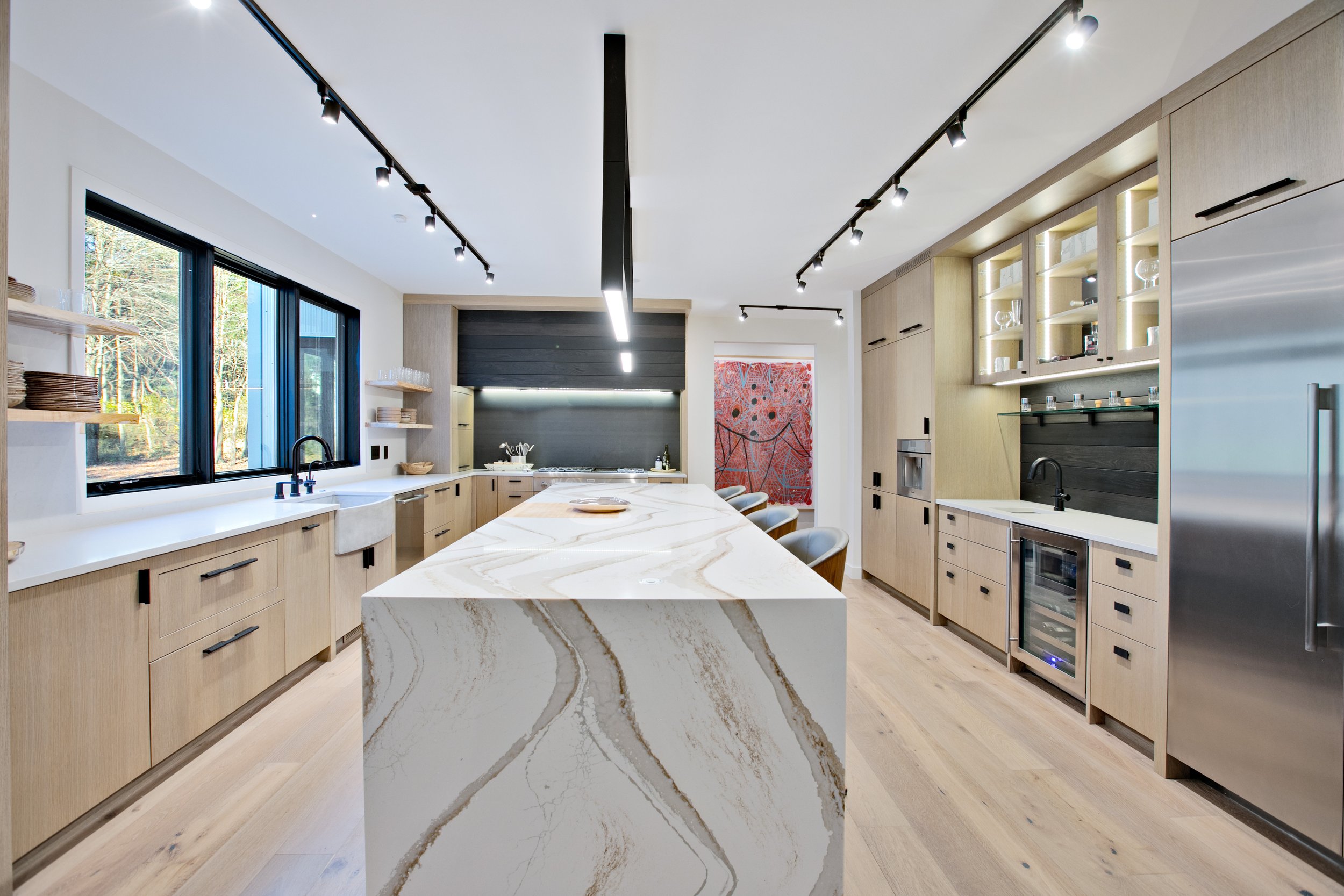
Elevate your living: Trends we've seen in Home Construction this year.
At Mark Scott Homes, we're always at the forefront of cutting-edge custom home construction, and 2023 has brought forth a wave of exciting trends that redefine the concept of modern living. From high-tech conveniences to timeless design elements making a comeback, let's delve into the remarkable features shaping the landscape of custom home building this year.
At Mark Scott Homes, we're always at the forefront of cutting-edge custom home construction, and 2023 has brought forth a wave of exciting trends that redefine the concept of modern living. From high-tech conveniences to timeless design elements making a comeback, let's delve into the remarkable features shaping the landscape of custom home building this year.
1. Home Elevators: Bringing Luxury Upstairs
Elevate your lifestyle—literally. Home elevators have become a sought-after feature, providing not only unparalleled convenience but also an elegant touch to multi-story homes. Imagine effortlessly gliding between floors with just a push of a button—a touch of luxury that transforms the way we navigate our living spaces.
2. Wallpaper Renaissance: Patterns, Textures, and Personality
In a surprising turn, wallpaper has staged a comeback in 2023, reclaiming its role as a powerful design tool. From intricate patterns to subtle textures, wallpaper is no longer confined to outdated notions. It has become a versatile medium for expressing personal style, adding depth, and creating visually stunning focal points in any room.
3. Applied Molding Takes Center Stage
Move over shiplap, and make way for applied molding—a classic design element experiencing a renaissance. This refined architectural feature adds a touch of sophistication to interior spaces. Whether framing doorways, creating statement walls, or adding dimension to ceilings, applied molding is the new go-to for homeowners seeking timeless elegance.
4. Outdoor Oasis: Extending Living Spaces Beyond Four Walls
The allure of outdoor living spaces has reached new heights in 2023. Expansive decks, inviting fire pits, and fully equipped outdoor kitchens have become essential elements in custom home construction. Blurring the lines between indoor and outdoor living, these spaces offer a versatile environment for relaxation, entertainment, and communion with nature.
5. Smart Homes Get Smarter
The integration of smart home technology has become more sophisticated. From AI-driven security systems to voice-activated home controls, and home lighting systems, homeowners are embracing intelligent solutions that enhance convenience and security.
6. Sustainable Living Takes Center Stage
Eco-friendly materials and energy-efficient designs are at the forefront of custom home construction. Homeowners are increasingly prioritizing sustainability, opting for features such as solar panels, recycled materials, and advanced insulation systems.
7. Flex Spaces for Remote Work
With the rise of remote work, flexible spaces have become a must. Home offices, multifunctional rooms, and creative workspaces are designed to accommodate the evolving needs of modern professionals.
8. Wellness-Centric Design
Health and well-being are integral considerations in custom home design. Features such as air purification systems, dedicated fitness spaces, and calming design elements contribute to creating a holistic and nurturing living environment.
At Mark Scott Homes, we pride ourselves on staying ahead of the curve, blending these trends with our commitment to craftsmanship and innovation. Contact us today to explore how we can integrate these exciting features into your custom dream home.
Elevate your living with Mark Scott Homes—where innovation meets timeless design.

Navigating High Interest Rates and Rising Material Costs: Is Now the Right Time to Build Your New Home?
Building a new home is a monumental decision that hinges on a multitude of factors, including economic conditions. With the current landscape marked by high interest rates and escalating material costs, prospective homeowners may be grappling with the question of whether now is the opportune moment to embark on their new home construction journey. In this article, we'll delve into the intricacies of this dilemma, weighing the pros and cons to help you make an informed choice.
Building a new home is a monumental decision that hinges on a multitude of factors, including economic conditions. With the current landscape marked by high interest rates and escalating material costs, prospective homeowners may be grappling with the question of whether now is the opportune moment to embark on their new home construction journey. In this article, we'll delve into the intricacies of this dilemma, weighing the pros and cons to help you make an informed choice.
The High Interest Rate Conundrum: One of the primary concerns during times of high interest rates is the impact on borrowing costs. Mortgage rates play a pivotal role in determining the affordability of your new home. While high interest rates can lead to larger monthly payments, it's essential to view this in perspective. Historically, interest rates have fluctuated, and while they may be higher now, they could lower in the future. Opting for a fixed-rate mortgage can offer stability, providing a consistent payment amount over the life of your loan.
Navigating Escalating Material Costs: The rise in material costs is another significant consideration when planning your new home construction. Lumber, steel, and other building materials have experienced price increases, potentially affecting your budget. However, this doesn't necessarily mean you should put your plans on hold. By working closely with builders and suppliers, you can explore cost-effective alternatives and strategies to manage expenses without compromising the quality of your dream home.
Strategies to Mitigate Challenges:
Locking in Rates: If you're concerned about interest rates rising further, consider locking in your mortgage rate. This offers protection against potential future increases and provides you with predictability in your monthly payments.
Value Engineering: Collaborate with your builder to explore value engineering options. This involves making cost-effective design choices and material substitutions that don't compromise the overall vision of your home.
Prioritize Must-Haves: During times of increased costs, prioritize essential features and components of your new home. You can always incorporate additional elements later as your budget permits.
Research and Negotiation: Research local suppliers and builders, and negotiate prices. Builders with strong industry relationships may have access to materials at better rates, which can translate into cost savings for you.
Long-Term Considerations: While the current economic conditions present challenges, it's important to view your new home construction as a long-term investment. Over time, the fluctuations in interest rates and material costs may balance out, and the value of your home could appreciate. Moreover, building a home that meets your specific needs and preferences can lead to immeasurable personal satisfaction and quality of life.
The decision of whether to build a new home in a climate of high interest rates and rising material costs is complex and personal. While these challenges are significant, they don't necessarily preclude you from realizing your dream home. By leveraging strategies to mitigate these challenges, staying informed about market trends, and aligning your decisions with your long-term goals, you can make a well-informed choice that caters to both your financial well-being and your aspirations. Remember, each individual's circumstances are unique, and it's essential to consult with financial advisors, builders, and real estate professionals to make a decision that's right for you.

Decoding Home Styles
The world of home design is a tapestry of diverse styles, each with its own unique characteristics and influences. From classic elegance to contemporary minimalism, understanding the differences between various home styles can help homeowners make informed decisions when designing or renovating their dream homes. In this blog post, we'll decode nine popular home styles: Traditional, Transitional, Farmhouse, Mediterranean, Modern, Contemporary, Midcentury, Craftsman, and Coastal, to help you discover the one that best suits your tastes and lifestyle.
The world of home design is a tapestry of diverse styles, each with its own unique characteristics and influences. From classic elegance to contemporary minimalism, understanding the differences between various home styles can help homeowners make informed decisions when designing or renovating their dream homes. In this blog post, we'll decode nine popular home styles: Traditional, Transitional, Farmhouse, Mediterranean, Modern, Contemporary, Midcentury, Craftsman, and Coastal, to help you discover the one that best suits your tastes and lifestyle.
Traditional Style
Traditional homes pay homage to timeless architectural elements and classic design. They often feature symmetrical facades, formal living spaces, and rich detailing. Common characteristics include ornate moldings, refined colors, and elegant furnishings. Traditional style homes evoke a sense of comfort and familiarity, combining various design influences from different historical periods.
Transitional Style
Transitional style is a seamless blend of traditional and contemporary design elements. This style embraces clean lines and subtle ornamentation, creating a balance between the old and the new. Neutral color palettes, natural materials, and a mix of textures define transitional homes. This style offers flexibility, allowing homeowners to incorporate elements from both classic and modern aesthetics.
Farmhouse Style
Farmhouse style homes are inspired by the rustic charm of rural farmhouses. They exude warmth and simplicity, featuring elements like exposed wood beams, shiplap walls, and reclaimed materials. Farmhouse design emphasizes functionality and family gatherings with open floor plans and large, inviting kitchens. Neutral colors and vintage-inspired décor complete the cozy ambiance.
Mediterranean Style
Mediterranean homes draw inspiration from the coastal regions of Southern Europe, incorporating influences from Italy, Spain, and Greece. Characterized by stucco exteriors, red tile roofs, and arched windows, Mediterranean homes emphasize an indoor-outdoor lifestyle. Courtyards, terraces, and fountains add to the charm, making these homes ideal for warm climates.
Modern Style
Modern style homes are known for their sleek and minimalist design. These homes focus on clean lines, open spaces, and large windows to create a sense of openness and connectivity with nature. Form follows function, and ornamentation is kept to a minimum. Modern homes often embrace energy-efficient and sustainable technologies.
Contemporary Style
Contemporary style is ever-evolving and reflects current design trends. Unlike modern homes, which have a specific time period, contemporary design embraces the present, often incorporating innovative materials and technology. Flexibility and experimentation with shapes, textures, and colors are key characteristics of contemporary homes.
Midcentury Style
Midcentury homes emerged in the post-World War II era and celebrate the spirit of the 1950s and 1960s. Characterized by clean lines, organic shapes, and a seamless integration of indoor and outdoor spaces, Midcentury style homes emphasize function and simplicity. Iconic features include large windows, open floor plans, and geometric forms.
Craftsman Style
Craftsman style homes emerged as a reaction against mass production during the late 19th and early 20th centuries. These homes celebrate handcrafted elements, natural materials, and artisanal craftsmanship. Exposed woodwork, front porches with tapered columns, and earthy color palettes are common features of Craftsman homes.
Coastal Style
Coastal style homes embrace the relaxed and breezy ambiance of seaside living. This style often features light and airy color palettes, natural textures, and nautical-inspired décor. Large windows invite natural light and provide stunning views of the surrounding landscape. Coastal homes prioritize comfort and casual elegance.
Understanding the nuances of different home styles empowers homeowners to make informed design decisions that align with their preferences and lifestyle. Whether you prefer the classic elegance of Traditional, the harmonious blend of Transitional, the rustic charm of Farmhouse, the coastal vibes of Mediterranean and Coastal, the sleek lines of Modern and Contemporary, the nostalgic appeal of Midcentury, or the artisanal craftsmanship of Craftsman, there's a home style that perfectly reflects your individuality and creates the sanctuary you envision.
5 Key Trends in Building a New Custom Home in Southwest Michigan
Crafting a custom home in Southwest Michigan is an opportunity to weave your lifestyle and preferences into every nook and cranny. The trends in home construction and design are ever-evolving, shaping the way these homes are envisioned and built. In this article, we delve into the top five trends currently dominating the landscape of custom home construction in Southwest Michigan.
Crafting a custom home in Southwest Michigan is an opportunity to weave your lifestyle and preferences into every nook and cranny. The trends in home construction and design are ever-evolving, shaping the way these homes are envisioned and built. In this article, we delve into the top five trends currently dominating the landscape of custom home construction in Southwest Michigan.
Open-Concept Living: Traditional notions of segmented spaces are giving way to a preference for open-concept layouts. The allure lies in the fluidity and cohesion that open spaces bring. Kitchens seamlessly transition into dining areas and lounges, forming a central focal point for social gatherings and entertainment. The result is not just aesthetic but a lifestyle that promotes interaction and adaptability.
Seamless Integration of Smart Technology: The surge in smart home technology has profoundly reshaped how homes function. This trend is evident in Southwest Michigan's custom homes, where homeowners are incorporating intelligent devices into their living spaces. From intuitive lighting systems and thermostats to home security and entertainment centers, smart technology offers elevated convenience, security, and comfort.
Embracing Outdoor Living: The picturesque landscapes of Southwest Michigan beckon homeowners to amplify their outdoor living spaces. Covered patios, screened porches, and alfresco dining areas are becoming quintessential features of custom homes. These exterior extensions serve as havens for relaxation, hosting guests, and savoring the region's natural beauty.
Organic Color Palettes: Interior design has taken a turn toward serene and organic color schemes. In Southwest Michigan's custom homes, neutral tones, soft hues, and natural textures are gaining prominence. These colors evoke tranquility and a seamless connection with the outdoors, while locally-sourced materials like wood and stone reinforce the home's intrinsic ties to its surroundings.
Customization Beyond Square Footage: The concept of a custom home extends beyond mere square footage. Southwest Michigan's custom home builders are witnessing a surge in requests for unique, personalized features that cater to specific hobbies and interests. From home gyms and meditation rooms to art studios and wine cellars, homeowners are embracing the opportunity to tailor their spaces to their passions.
Embarking on the journey of constructing a custom home in Southwest Michigan is akin to composing a masterpiece that reflects your personality and aspirations. The current trends, including open-concept living, smart technology integration, outdoor sanctuaries, organic color palettes, and personalized spaces, are steering the direction of custom home construction in this captivating region. By embracing these trends, you're not only crafting a captivating living space but also ensuring that your home remains a testament to your vision for years to come.
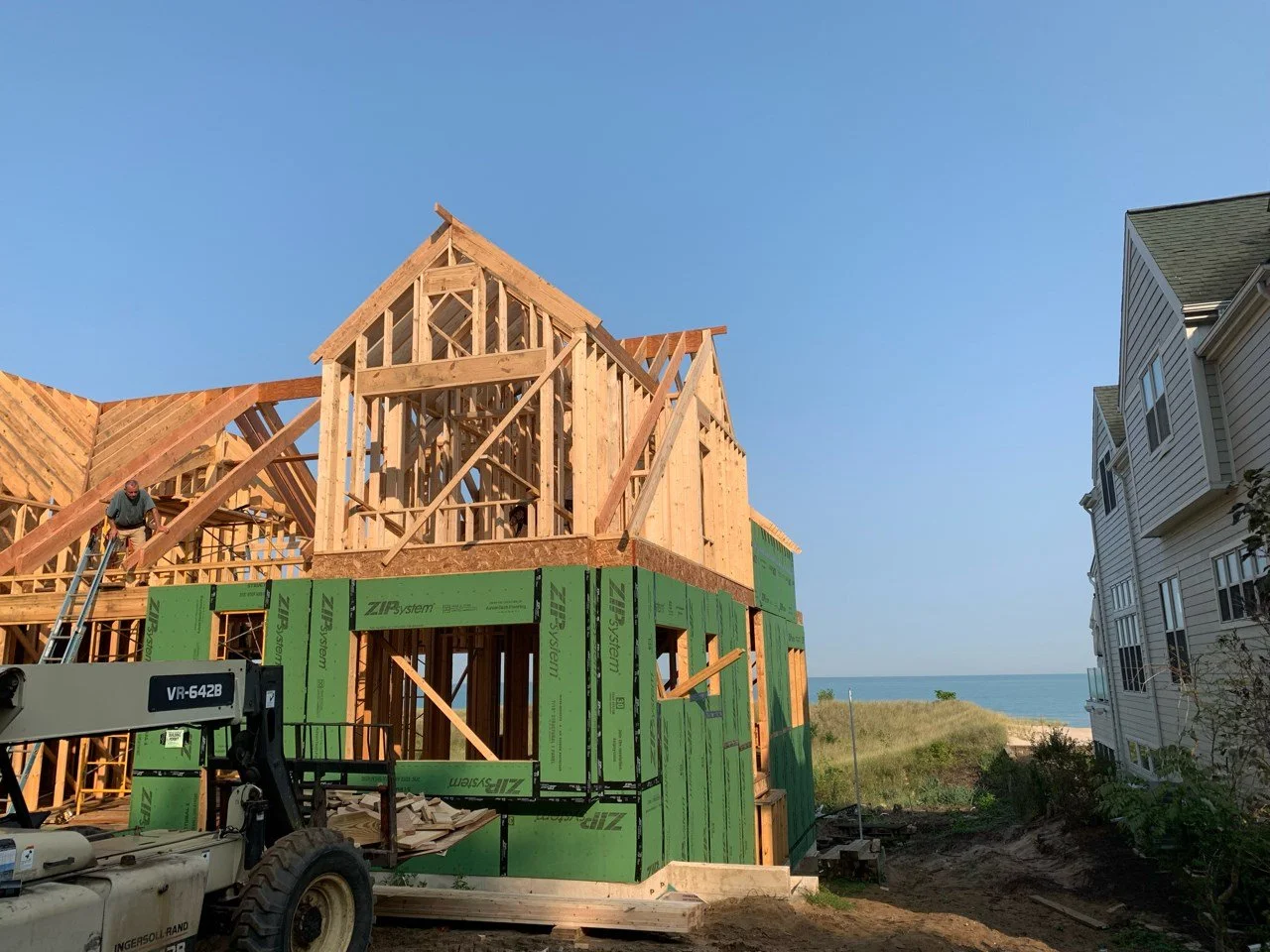
AdvanTech Zip System: The Superior Solution for New Home Construction
When it comes to building a new home, choosing the right materials is crucial for long-lasting durability and exceptional performance. One revolutionary product that has gained significant recognition in the construction industry is the AdvanTech Zip System. This innovative sheathing and weather barrier system offers numerous benefits, from enhanced moisture protection to improved energy efficiency. In this blog post, we'll explore the advantages of the AdvanTech Zip System and why it has become the go-to choice for new home construction.
Unmatched Moisture Protection:
Moisture damage is a significant concern in any construction project. The AdvanTech Zip System is designed to provide superior moisture protection, keeping your new home safe and dry. The engineered wood sheathing acts as a barrier against water infiltration, preventing leaks and potential damage to the structure. The integrated tape system ensures a seamless and watertight seal, minimizing the risk of moisture-related issues such as rot, mold, and mildew.
Exceptional Strength and Durability:
The AdvanTech Zip System is built to withstand the elements and provide long-lasting durability. The engineered wood panels are highly resistant to warping, delamination, and buckling, ensuring structural integrity over time. This strength translates into a solid and reliable foundation for your new home, offering peace of mind and reducing the need for costly repairs or replacements down the line.
Energy Efficiency and Air Tightness:
The AdvanTech Zip System excels in improving energy efficiency and maintaining a comfortable indoor environment. The integrated tape system not only provides moisture protection but also helps create an airtight building envelope. By minimizing air leakage, the system reduces energy loss, prevents drafts, and enhances thermal performance. This translates into lower heating and cooling costs, increased energy savings, and a more sustainable home.
Time and Labor Savings:
One of the notable advantages of the AdvanTech Zip System is its streamlined installation process, leading to significant time and labor savings. The panels are easy to handle and install, allowing for efficient construction timelines. The integrated tape system eliminates the need for separate taping or sealing, reducing labor-intensive tasks and improving overall construction productivity. With the AdvanTech Zip System, builders can achieve faster project completion without compromising quality.
Proven Performance and Warranties:
The AdvanTech Zip System has a strong track record of performance and reliability. It undergoes rigorous testing and has proven its durability and resistance to various weather conditions. Additionally, the system is backed by comprehensive warranties, providing homeowners and builders with confidence in its quality and long-term protection.
Conclusion:
Choosing the right building materials is essential for constructing a new home that stands the test of time. The AdvanTech Zip System offers a comprehensive solution, combining superior moisture protection, strength, energy efficiency, and ease of installation. With its exceptional performance and proven track record, this innovative system has become a top choice for builders and homeowners alike. By incorporating the AdvanTech Zip System into your new home construction, you can ensure a resilient, energy-efficient, and long-lasting living space that exceeds your expectations.

Paint Color Trends of 2021
read time ~ 4 minutes
Thanks to 2020, our homes wear many hats.
What was once a place of relaxation is now the hub for all things living. Home is now our gym, our classroom, our office, our favorite restaurant, our kids' playground and our weekend getaway.
The chaos of 2020 and this change in the definition of "home" as we know it prompted the color trends of 2021. These trends feature creating a home environment where we can feel comfortable, soothed and at ease.
Overall, we see a lot of warm, nature-infused tones to invite calm into our space and create a steady base from where we can add bursts of color to inspire joy and optimism in our lives.
Comfort. Calm. Creativity. Joy. Doesn't that pretty much sum up what we're craving in 2021?
We think so.
Let's step into the anticipation of 2021 and experience these color trends of the year ahead that could inspire new designs in your own home.
New year, new bedroom paint. Isn't that what the kids say these days?
BENJAMIN MOORE
The Benjamin Moore Color of the Year 2021, Aegean Teal, is a hue that beckons you to savor the small moments.
Here's how they describe it: "Celebrate the simple pleasures -- think the faded rumple of linen sheets in the morning and perfectly ripened fruits on the windowsill. The twelve hues in the palette radiate warmth and wellbeing. These are colors that make your home feel even more like home. Settle in."
Well, if that doesn't make you want to sip your coffee slowly at your kitchen table with a warm pastry to keep you company while your walls set the mood for you, we don't know what will.
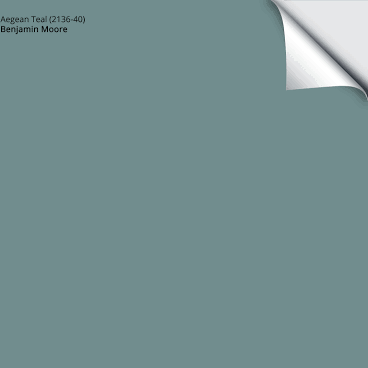
Benjamin Moore's 2021 color palette invites presence. Its blend from familiar neutrals to earthy tones stall and expand the seemingly mundane, yet sacred moments that make up our lives.
For a strong sense of serenity and comfort, pair Aegean Teal with any of these hues to elevate your home.
Love it so much you just want your home transformed already?! C.E. Lee Decorating Center is your new go-to consultant when it comes to design. They have the Benjamin Moore products you need to make this 2021 color palette come to life in your space!

SHERWIN WILLIAMS
Sherwin Williams chose a sophisticated Urbane Bronze as their color of the year 2021.

“The pandemic has caused us to seek comfort in our surroundings and be mindful of how we’re living,” says Sue Wadden, director of color marketing. “As a result, the focus in design and color has shifted to building relaxing sanctuaries within our existing spaces and interior paint colors can help accomplish this feeling. Urbane Bronze creates a sense of calm while making us feel safe and secure.”
Royal in nature, this color is noted by Wadden to work especially well in kitchen spaces. Got darker cabinet colors? Or metallic shades dispersed throughout your kitchen? Urbane Bronze is the perfect color partner to sophisticate your space.
But hey, maybe you already love your kitchen color. After all, you painted it the color of the year 2020 for heaven's sake!
We get it. Urbane Bronze is gorgeous not only in the kitchen, but also a great choice for an accent wall, an outdoor shed (which Wadden did herself) or any space where you want to highlight an architectural design, like behind your fireplace.
Balance and rhythm. Balance and rhythm in design, in our routine and in our lives is the core message Sherwin Williams wants to send with their choice for the color of the year 2021.
To shop Urbane Bronze and more, visit Sherwin Williams in South Bend, Granger or Niles!
BEHR
Behr's color trends of 2021 highlight warmth and restoration. In their palette of 21 hues, we see a lot of subtle, neutral tones and "restorative blues and greens" to "elevate comfort" in our homes, as well as bold, rich hues that inspire optimism.

Versatility ties these hues together. We're in a global moment where our homes are being just about everything we need them to be for us. With an emphasis on versatility and personalization, Behr's palette gives the freedom to update any space exactly how we want it and need it.
When uncertainty erupts, we crave familiarity and comfort. These hues give us that, and more. If it's not a wall to paint, these colors work well for doors, trim and cabinets.
PPG PAINTS

PPG Paint's color trends of the year 2021 orbit around a central theme: transcend.
In their words, these colors are "intended for the person who wants to fully embrace mindfulness and intention" as "the color trio celebrates beauty of all kinds and relates to those who prioritize wellness in mind, body and spirit."
Their versatility allows for each of them to either take on a supporting or dominant role in a space. These natural hues are grounding, nostalgic and fresh, offering relief and support to the tired working man or woman, mom or dad, or anyone who needs a space to unwind.
DULUX

Brave Ground is Dulux's choice for color of the year 2021. This shade "connects back to nature and the simple things. A warm, earthy tone, it creates a feeling of stability, growth and potential."
It's timeless. Subtle. Relaxing.
Brave Ground is complimentary and practical, and pairs especially well with warmer tones to bring a balanced energy to any space. Designed for the person who wants a solid, foundational color in their home as 2020 has forced us to muster up the courage to embrace change, to reassess what really matters and to work together to build a better future.
Regardless of the visual variety we see in the paint color trends of 2021, the intention behind them remains consistent: that in 2021, we'll seek to design our homes with colors that give us comfort and calm, inspire creativity and cultivate joy.
What do you think of the color trends of 2021? Like what you see? We think they set a great foundation for design in the new year with the balance of warmth and optimism. 2021 - we're ready for you!
Change orders aren’t always a bad thing—but they can cause budget and schedule stress if they aren’t managed correctly. Here’s what change orders really mean, what triggers them, and how a great builder keeps them under control.