

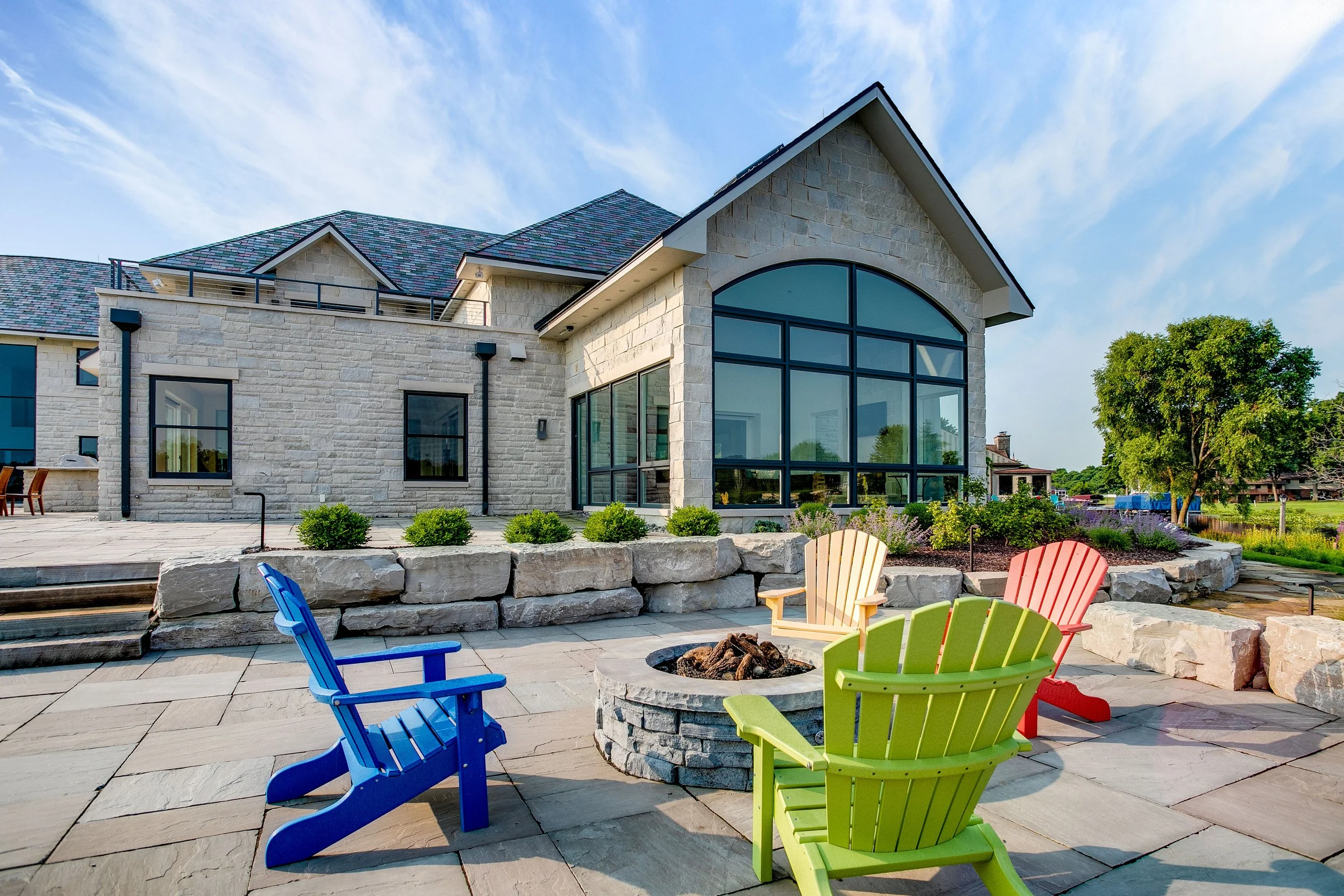
What Does It Cost to Build a Custom Home?
A clear, practical breakdown of what it really costs to build a custom home, what impacts pricing, and how to plan realistically for your new build.
A Practical Guide for Homeowners Planning a New Build
One of the first—and most important—questions homeowners ask when considering a custom home is simple:
“How much does it cost to build?”
The honest answer is: it depends—but that doesn’t mean the process should feel vague or confusing.
This guide is designed to give you a clear, realistic understanding of what goes into the cost of building a custom home, what ranges to expect, and how to plan wisely so there are no surprises along the way.
The Short Answer: Typical Cost Per Square Foot
In today’s market in Southwest Michigan and Norther Indiana, custom homes typically start around $400 per square foot, with costs increasing based on design complexity, finishes, site conditions, and location.
For example:
A 2,500 sq ft home → starting around $1,000,000
A 3,500 sq ft home → starting around $1,400,000
A lakefront or highly detailed home → often higher
This does not mean every home costs the same per square foot—far from it. Square footage is only one piece of the equation.
What Actually Determines the Cost of a Custom Home?
1. Design & Architecture
Your plans matter—a lot.
Costs increase with:
Complex rooflines
Large spans and open layouts
Custom details and ceiling treatments
Extensive glass and large window systems
A well-designed home balances beauty with buildability.
2. Site Conditions & Location
Where you build can significantly impact cost.
Factors include:
Lakefront vs inland lots
Soil conditions and excavation requirements
Septic vs sewer
Driveway length and access
Local zoning and permitting requirements
Two identical homes can vary widely in cost based solely on the site.
3. Level of Finish
This is where personalization really shows—and where budgets can shift.
Higher costs come from:
Custom cabinetry and millwork
High-end flooring and tile
Premium plumbing and lighting fixtures
Specialty appliances
Stone, metal, or wood exterior details
There’s no “right” finish level—only what aligns with your priorities.
4. Mechanical Systems & Performance
Behind the walls matters just as much as what you see.
Costs vary based on:
HVAC system design
Energy efficiency goals
Insulation and air sealing
Smart home features
Backup power or specialty systems
Homes built for comfort, longevity, and efficiency often cost more upfront—but pay off over time.
Cost-Plus vs Fixed Price: Why the Structure Matters
How your project is priced can impact both cost and experience.
Cost-Plus (Open Book)
Transparent pricing
Actual costs passed through to the homeowner
Builder fee agreed upon upfront
Flexibility for changes and selections
This model is common for high-quality custom homes and provides clarity throughout the process.
Fixed Price
One lump sum
Less flexibility
Often includes larger contingencies to manage risk
Understanding the difference helps you choose the approach that fits your goals.
What’s Often Not Included in “Cost Per Square Foot”
Many online estimates leave out critical items. Be sure to clarify whether pricing includes:
Land purchase
Site development
Landscaping and exterior features
Driveways and patios
Furnishings
Design and engineering fees
A good builder will help you understand the full picture, not just the build cost.
Why Early Budget Conversations Matter
The earlier budget expectations are aligned, the smoother the process will be.
A thoughtful builder will:
Talk openly about realistic ranges
Help prioritize what matters most
Identify potential cost drivers early
Guide design decisions to stay aligned with goals
This isn’t about limiting creativity—it’s about building confidently.
Final Thoughts: Planning for Success
Building a custom home is one of the largest investments you’ll ever make. The goal isn’t just to build a beautiful house—it’s to enjoy the process and feel confident every step of the way.
When cost expectations are clear, decisions become easier, communication improves, and the end result reflects what truly matters to you.
If you’re considering a custom home in Southwest Michigan like New Buffalo, Sawyer, Stevensville or Northern Indiana such as South Bend, Granger, or LaPorte, having an early, honest conversation about cost is the best place to start.
FOLLOW US ON SOCIAL





Energy Efficiency for Luxury Homes — What’s Worth It (and What’s Not)
Not all “green” upgrades deliver equal value. Here’s how to choose energy-efficient features that truly make a difference in your new custom home — from insulation to windows to smart systems.
Efficiency Should Feel Effortless
At Mark Scott Homes, we believe energy efficiency isn’t about chasing every shiny new technology — it’s about building smarter.
A truly efficient home should feel natural: comfortable year-round, quiet, and built to age gracefully with low operating costs.
In Southwest Michigan and Northwest Indiana, that means focusing on what actually pays off in our climate — and knowing which “eco” trends aren’t worth their buzzword price tag.
What’s Worth It: The High-Impact Upgrades
🧱 Insulation & Air Sealing
The biggest energy losses in homes come from air leakage — not lack of insulation.
We focus on tight building envelopes using spray foam, advanced caulking, and properly sealed penetrations. Combine that with well-insulated walls, attics, and rim joists, and you’ll see lower heating bills and quieter interiors.
🪟 High-Performance Windows
Near Lake Michigan, glass is both your view and your biggest vulnerability.
Triple-pane, low-E coated windows dramatically improve comfort and reduce drafts. We often recommend Marvin or Pella systems — beautiful, durable, and designed for coastal climates.
🌡️ Right-Sized HVAC Systems
Oversized HVAC systems are a silent budget killer. They short-cycle, waste energy, and wear out faster.
Our mechanical partners design systems matched precisely to the home’s size and insulation value — delivering perfect comfort, quietly and efficiently.
☀️ Smart Thermostats & Zoning
Smart thermostats are small investments with big returns. Pairing them with zoned HVAC lets you heat and cool areas independently, ideal for large homes or second homes you’re not in daily.
What’s Often Not Worth It
🚫 Overcomplicated Solar Systems
Solar panels can be worthwhile, but only when the home’s orientation, tree cover, and roof design cooperate. For many lakefront builds, panels face shading and storm exposure — so we recommend considering pre-wiring for future solar, not over-investing upfront.
🚫 Gimmicky “Green” Materials
Products that market themselves as “eco-friendly” can sometimes have more embedded energy than traditional materials. We prioritize locally sourced, durable, and low-maintenance materials — that’s the real sustainability.
🚫 Ultra-High-Tech Systems Without Local Support
That European radiant floor controller sounds great — until you can’t get parts.
We specify systems with strong U.S. support networks and proven track records for serviceability.
Building Efficiently Without Sacrificing Luxury
A well-built, energy-smart home doesn’t look different — it lives differently.
You’ll feel steady temperatures, quieter rooms, and the satisfaction of knowing every watt is working for you, not escaping through the roof.
Our approach is simple: spend smarter, not bigger. We guide homeowners toward features that actually perform in our lakeshore climate — combining efficiency, durability, and beauty.
Considering a custom home near Lake Michigan? Let’s design it to stay comfortable, beautiful, and energy-smart for decades. Contact Mark Scott Homes today to start planning your build.
FOLLOW US ON SOCIAL
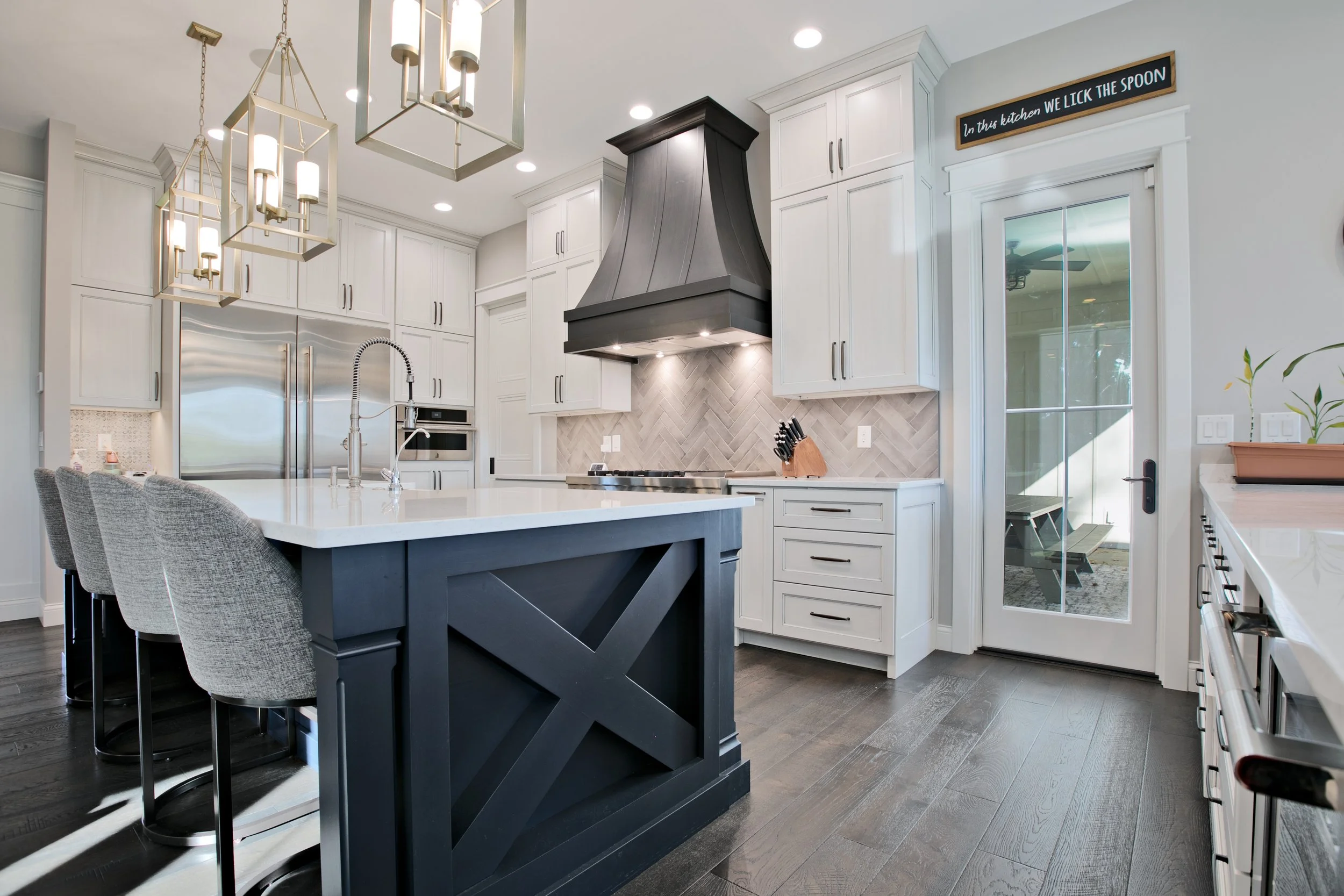
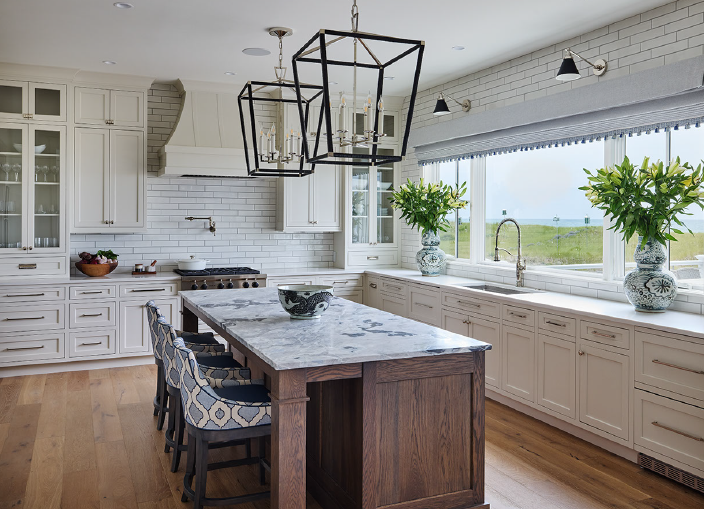
The Role of Quality Materials in Building a Custom Home
Your dream home deserves the best from the ground up. See how the right materials make all the difference in building a custom home that’s beautiful, durable, and built to last.
When you invest in building a home, you’re not just paying for walls and a roof—you’re investing in a space designed to last for decades, maybe even generations. While craftsmanship, design, and location matter, one factor underpins them all: the quality of the materials used.
At Mark Scott Homes, we believe that what’s behind the walls matters just as much as what you see every day. As a custom home builder in Southwest Michigan, we know quality materials are the foundation of a home you’ll love for years to come.
1. Durability That Withstands Time (and Michigan Weather)
Southwest Michigan and Northern Indiana homes face hot summers, frigid winters, and lakefront winds. Premium materials—like high-performance siding, weather-resistant roofing, and energy-efficient windows—protect your home against the elements while maintaining its beauty.
Homes built along the lakefront need to handle strong winds, snow, and seasonal changes—something we’ve mastered as a New Buffalo home builder.
Cheap materials may save money upfront, but they wear out faster, require frequent repairs, and can lead to costly replacements.
2. Long-Term Value and Lower Maintenance
Quality materials are a long-term investment. Products like engineered hardwood floors, quartz countertops, and solid wood cabinetry don’t just look stunning—they resist damage, reduce upkeep, and help your home maintain its value over time.
In fact, using top-tier materials can even help your home appraise higher when it comes time to sell. See examples in our lakefront home design gallery.
3. Healthier, More Comfortable Living
Not all materials are created equal when it comes to indoor air quality. Low-VOC paints, sustainable flooring, and mold-resistant drywall create a healthier environment for your family.
Better insulation and high-grade windows also keep your home more comfortable year-round while lowering energy bills.
4. Aesthetics That Don’t Fade
From natural stone fireplaces to custom millwork, premium materials age gracefully. They develop character instead of wearing out—and they tell a story of timeless design that you simply can’t achieve with bargain-bin alternatives.
5. Our Quality Promise
At Mark Scott Homes, we don’t cut corners. Every product we select—seen or unseen—is chosen for its performance, beauty, and ability to stand the test of time. It’s part of our promise to deliver a home that’s not just built, but crafted. Learn more about our building process.
Final Thoughts
Building your dream home is one of the biggest investments you’ll make. By choosing quality materials from the start, you protect that investment, elevate your daily living, and ensure that your home will still be turning heads decades from now.
Learn more about how to build a home that lasts and why the choices you make today matter for decades to come.
Ready to start your custom home journey? Let’s talk about how we can bring your vision to life—one quality detail at a time.
FOLLOW US ON SOCIAL

Your First Year in a New Custom Home: What’s Normal and What’s Not
Moved into your dream home and noticing small cracks or sticky doors? Don’t worry—many of these changes are completely normal in the first year of a new custom build. In this post, we walk you through what to expect, what’s worth a quick fix, and when to call your builder.
Expert insights from your trusted custom home builder in Southwest Michigan
You’ve moved into your new custom home—finally! Everything feels fresh, tailored just for you, and beautifully built. But then a few months go by, and you start to notice a small drywall crack in the hallway… a door that doesn’t shut quite like it used to… or a tiny gap in the hardwood floor.
Before you panic, know this: many of these things are perfectly normal, especially during the first year of homeownership. At Mark Scott Homes, we’ve walked hundreds of families through this exact phase, and we’re here to help you understand what to expect—and what might require a closer look.
✅ What’s Normal in Your First Year
When building a custom home in Michigan, especially in areas like Harbor Country or near Lake Michigan, your home naturally adjusts to its environment over time. Here's what's considered normal:
1. Minor Drywall Cracks
As framing wood naturally expands and contracts with seasonal humidity, hairline drywall cracks can develop—particularly near corners, windows, and door frames. These are cosmetic and common in every new home.
2. Nail Pops
You might see small bumps or dimples on your walls—these are known as nail pops. They're caused by slight shifts in framing and are a normal part of the settling process in your new custom home.
3. Sticky Doors or Windows
Doors may rub slightly or windows may stick during different times of the year. This is caused by changes in humidity and temperature, especially in our varied Southwest Michigan climate.
4. Flooring Movement
Wood flooring may slightly shrink or expand based on the season. Small gaps in the winter or subtle cupping in humid months are expected and typically adjust as your HVAC system regulates the interior environment.
5. HVAC Fine-Tuning
Each home has its own airflow patterns. It's normal for us to make small adjustments during the first few months to improve comfort and balance throughout your home.
🚫 What’s Not Normal (And May Need Attention)
While many things fall under the “normal” category, there are some issues that could indicate a bigger concern. Be sure to contact your builder if you notice:
Cracks larger than 1/8 inch in drywall or foundations
Water leaks or persistent moisture around windows, doors, or the basement
Doors or windows that no longer open or close properly, even after adjustment
Uneven floors that feel bouncy or sloped
Consistently high humidity or HVAC issues that don’t improve with calibration
At Mark Scott Homes, we stand behind our work—and behind you. If you're unsure whether something is typical or needs attention, just reach out. That’s the benefit of working with a builder who prioritizes quality and long-term support.
🛠️ Our One-Year Warranty Touch-Up
One of the advantages of working with a high-end home builder in Michigan like Mark Scott Homes is that we don’t disappear after move-in day. We offer a scheduled warranty walkthrough near the one-year mark to address common cosmetic issues like:
Drywall repairs
Nail pops
Caulking or paint touch-ups
Adjustments to doors or windows
It’s all part of our commitment to delivering a superior homeowner experience—from groundbreaking to move-in and beyond.
💬 Final Thought
The first year in a custom home in Southwest Michigan is exciting—but it’s also a time of natural adjustment for both you and your home. Knowing what’s normal helps ease concerns and gives you confidence in the craftsmanship and care that went into your build.
With Mark Scott Homes, you’re not just building a beautiful home—you’re gaining a partner who supports you every step of the way.
Ready to build your next home with confidence?
Contact Mark Scott Homes today and let’s start designing a home that’s made to last.

Top Design Trends for New Homes in 2024
As we near the end of 2024, new home design trends reflect an exciting shift towards a balance of modern innovation and timeless comfort. Homeowners are looking for spaces that cater to evolving lifestyles, embrace sustainability, and offer personalized functionality. If you’re considering building a new home this year, here are the top design trends that can inspire your vision and help you stay ahead of the curve.
As we near the end of 2024, new home design trends reflect an exciting shift towards a balance of modern innovation and timeless comfort. Homeowners are looking for spaces that cater to evolving lifestyles, embrace sustainability, and offer personalized functionality. If you’re considering building a new home this year, here are the top design trends that can inspire your vision and help you stay ahead of the curve.
1. Sustainability Takes Center Stage
Eco-friendly materials and energy-efficient designs continue to be at the forefront of homebuilding. More homeowners are choosing sustainable options like solar panels, energy-efficient windows, and reclaimed or renewable materials such as bamboo, cork, and recycled metal. Insulation improvements and smart home technologies further contribute to reducing energy consumption, appealing to eco-conscious buyers looking to lessen their environmental footprint.
Key Features:
Solar-powered homes
Water-saving fixtures
Recycled and renewable building materials
2. Biophilic Design: Bringing Nature Indoors
Biophilic design, which focuses on integrating nature into the home, is gaining momentum. Large windows that let in ample natural light, indoor plants, and the use of natural materials like stone, wood, and greenery create a connection to the outdoors. This trend promotes well-being by boosting mental health and creating a calming, peaceful environment.
Key Features:
Indoor greenery walls or plant corners
Natural materials like wood and stone
Expansive windows with views of outdoor spaces
3. Multi-Functional Spaces
With more families working and studying from home, the demand for multi-functional spaces has surged. Homeowners want rooms that can easily transition from home office to gym, or from a cozy den to a guest bedroom. Flexibility is key, and open floor plans that allow customization for different uses have become increasingly popular.
Key Features:
Flexible layouts for office, gym, or studio space
Rooms with adaptable, modular furniture
Open-concept living areas that flow into outdoor spaces
4. Smart Home Technology Integration
Smart homes are no longer a futuristic concept but a mainstream reality. In 2024, integrating technology seamlessly into daily life is a priority for homeowners. Voice-activated systems, smart lighting, and advanced security features like facial recognition and video doorbells are must-haves. Smart kitchens equipped with appliances that you can control via your smartphone are also growing in popularity.
Key Features:
Voice-activated home automation systems
Smart lighting and thermostat controls
Advanced security systems integrated with AI
5. Minimalist and Scandinavian Influences
Simplicity and functionality define the minimalist trend, with Scandinavian-inspired interiors continuing to capture the imagination of homeowners. Clean lines, neutral color palettes, and uncluttered spaces create a sense of calm and order. Light woods, cozy textures, and a less-is-more aesthetic allow homeowners to make their spaces feel more open and inviting.
Key Features:
Neutral color schemes with warm accents
Light wood tones and minimalistic furniture
Textured fabrics like wool and linen for comfort
6. Bold Colors and Personal Expression
While minimalism remains a dominant trend, bold colors are making a comeback in accent walls, cabinetry, and décor. Homeowners are using color to express their personalities and add vibrancy to their homes. Rich jewel tones like emerald green, navy blue, and deep reds are increasingly seen in living spaces, along with earthier hues that provide warmth.
Key Features:
Bold accent walls in living rooms or bedrooms
Vibrant cabinetry or furniture pieces
Jewel tones paired with natural textures
7. Outdoor Living Spaces
As homeowners continue to prioritize outdoor spaces, designing patios, decks, and gardens that extend the livable area of the home has become a key focus. Outdoor kitchens, fire pits, and comfortable lounge areas are making backyards more functional year-round. Retractable glass walls that blend indoor and outdoor spaces are also gaining popularity for their ability to bring fresh air and light into the home.
Key Features:
Outdoor kitchens and dining areas
Comfortable lounge seating and fire pits
Retractable glass walls or sliding doors
8. Wellness-Focused Design
Homeowners are looking for ways to create sanctuaries within their homes that promote wellness. Spa-like bathrooms with soaking tubs, steam showers, and heated floors offer a retreat from the outside world. Home gyms, yoga studios, and meditation rooms are also becoming more common, catering to a health-conscious mindset.
Key Features:
Spa-inspired bathrooms with luxurious features
Home gyms or yoga studios
Indoor air quality systems for healthier living
9. Vintage and Retro Aesthetics
A touch of nostalgia has found its way into 2024 home design. Vintage and retro styles from the 70s and 80s are being revived, but with a modern twist. Statement lighting fixtures, mid-century furniture, and vintage décor pieces are being incorporated into homes, blending old-world charm with contemporary flair.
Key Features:
Mid-century modern furniture
Statement vintage lighting
Retro-inspired color palettes and patterns
10. Maximizing Small Spaces
Tiny homes and efficient use of space continue to gain traction, particularly as urban living becomes denser. Clever storage solutions, built-in furniture, and space-saving designs are critical for making small spaces functional without sacrificing style. Even in larger homes, maximizing space with well-thought-out designs is becoming a priority.
Key Features:
Built-in storage solutions
Murphy beds and foldable furniture
Smart kitchen designs for compact spaces
Conclusion
2024 is shaping up to be an exciting year for new home designs, with a focus on sustainability, wellness, and versatility. Whether you’re planning a new build or renovating an existing space, these trends will help you create a home that meets your needs while staying stylish and ahead of the curve. At Mark Scott Homes, we’re excited to bring these cutting-edge design trends to life, delivering custom homes that blend innovation with timeless quality.
Interested in building your dream home? Contact us at Mark Scott Homes to explore how we can bring these trends to your next project.

How to Save Costs When Building a New Home
Building a new home is an exciting journey, but managing costs effectively is crucial to ensure you stay within your budget without compromising on quality. One of the best ways to keep costs under control is to focus on efficiencies that offer long-term value. Whether it's through energy savings, smart design choices, or material selection, here are some key cost efficiencies to consider when building your new home.
Building a new home is an exciting journey, but managing costs effectively is crucial to ensure you stay within your budget without compromising on quality. One of the best ways to keep costs under control is to focus on efficiencies that offer long-term value. Whether it's through energy savings, smart design choices, or material selection, here are some key cost efficiencies to consider when building your new home.
1. Energy-Efficient Design
Incorporating energy-efficient design from the start will not only reduce your carbon footprint but also save you money on utility bills over time. Key considerations include:
High-quality insulation: A well-insulated home reduces heating and cooling costs, keeping your energy bills low.
Energy-efficient windows: Choose windows with low-E coatings and double or triple panes to minimize energy loss.
LED lighting: Energy-saving LED lights last longer and use less power than traditional bulbs, lowering your electricity costs.
Energy-efficient appliances: Opt for ENERGY STAR-certified appliances to reduce energy consumption and long-term utility costs.
2. Smart Home Technology
Smart home technology is not just about convenience—it can also lead to significant cost savings. Consider installing:
Smart thermostats: These allow you to optimize heating and cooling remotely, reducing unnecessary energy use.
Lighting automation: Timers and motion sensors ensure that lights are only on when needed, cutting down on electricity usage.
3. Modular or Prefabricated Components
Using modular or prefabricated elements can streamline the building process and reduce labor costs. Prefabricated components, such as walls or roof trusses, are made off-site, ensuring precision and minimizing waste during construction. This efficiency can lead to faster build times and lower overall costs.
4. Simplified Architectural Design
A simple, thoughtful architectural design can lead to significant savings without sacrificing style. Here’s how:
Straightforward floor plans: Reducing the number of corners, curves, and complex rooflines can help lower construction costs.
Standardized windows and doors: Using standard-sized windows and doors is more affordable than opting for custom sizes.
Multiple floors: By building up, or utilizing the basement for living space maximizes overall costs vs. a single story home.
5. Durable, Low-Maintenance Materials
Opting for durable and low-maintenance materials might have a higher upfront cost, but they’ll save you money in the long run by reducing the need for repairs and replacements. Consider:
Fiber cement siding: A durable, fire-resistant material that requires less maintenance than wood siding.
Metal roofing: Though more expensive initially, metal roofs last longer and require less upkeep compared to traditional asphalt shingles.
Composite decking: For outdoor spaces, composite materials outlast wood, requiring less maintenance and fewer repairs.
6. Efficient Use of Space
Maximizing the space in your home without unnecessary expansions can save money while enhancing functionality:
Open floor plans: Open layouts reduce the need for excess walls and create a more spacious, connected feel.
Multi-functional rooms: Designing rooms that serve multiple purposes (e.g., a home office that doubles as a guest room) helps you get more use out of your square footage.
7. Optimized Building Site
The way your home is positioned on its lot can have a big impact on both initial costs and long-term savings:
Maximizing natural light: Strategically placing windows to capture natural light reduces the need for artificial lighting and heating.
Site grading: Minimizing the amount of earth-moving and grading required can cut costs significantly.
8. Water-Saving Fixtures and Systems
Water-efficient fixtures not only help the environment but can also reduce water bills:
Low-flow faucets and showerheads: These reduce water usage while maintaining performance.
Dual-flush toilets: These use less water for liquid waste, reducing overall water consumption.
Rainwater collection systems: In certain areas, rainwater collection can be used for landscaping or non-potable water needs, lowering your water usage.
9. Minimalist Finishes and Materials
In some areas of the home, opting for minimalist or simple finishes can be a cost-effective way to achieve style without overspending:
Polished concrete floors: These are durable, modern, and less expensive than hardwood or tile flooring options.
Open shelving in kitchens: Open shelving is a stylish and budget-friendly alternative to full cabinetry.
10. Thoughtful Landscaping
Landscaping can be an ongoing expense, but choosing low-maintenance, drought-resistant plants and hardscaping features such as gravel or stone pathways can reduce the need for frequent upkeep and excessive watering, keeping costs down in the long run.
11. Efficient Construction Management
A well-managed construction timeline is key to cost efficiency. An experienced builder who communicates clearly and plans proactively can avoid costly delays, reduce labor expenses, and minimize material waste. Clear communication between you and your builder can also help avoid misunderstandings that could lead to expensive rework.
Cost efficiencies during the construction of your new home are all about making smart, long-term decisions. By focusing on energy efficiency, durable materials, thoughtful design, and experienced construction management, you can build a home that not only meets your needs today but saves you money over time. At Mark Scott Homes, we specialize in guiding homeowners through these decisions, ensuring your home is both beautiful and cost-efficient. Reach out today to start building your dream home with us!

How to Build a Sustainable Home in SW Michigan
Building a new home in Southwest Michigan offers a unique opportunity to incorporate sustainable features that can significantly reduce environmental impact and increase energy efficiency. As a home builder committed to sustainability, we believe that incorporating the right elements can create a comfortable, eco-friendly living space. Here are key features that make a home sustainable in Southwest Michigan.
Building a new home in Southwest Michigan offers a unique opportunity to incorporate sustainable features that can significantly reduce environmental impact and increase energy efficiency. As a home builder committed to sustainability, we believe that incorporating the right elements can create a comfortable, eco-friendly living space. Here are key features that make a home sustainable in Southwest Michigan.
1. Geothermal Heating and Cooling
One of the most effective ways to achieve sustainability in home building is through geothermal heating and cooling systems. These systems utilize the earth's constant underground temperature to heat and cool your home, drastically reducing the need for conventional heating and cooling methods. In Southwest Michigan, where seasonal temperature fluctuations are common, a geothermal system can provide consistent, efficient climate control year-round.
2. Energy-Efficient Windows and Insulation
Ensuring that your home is well-insulated and equipped with energy-efficient windows is crucial for sustainability. High-performance windows with low-E coatings and argon gas fill can minimize heat loss in the winter and keep your home cool in the summer. Combined with superior insulation, these features can drastically reduce the need for additional heating and cooling, further contributing to a sustainable home.
3. Solar Panels
Southwest Michigan receives enough sunlight to make solar panels a viable option for sustainable energy. By installing solar panels, you can harness the sun’s energy to power your home, reducing reliance on fossil fuels and lowering your energy bills. Solar panels are a long-term investment that pays off by providing renewable energy and reducing your carbon footprint.
4. Water Conservation Systems
Incorporating water conservation systems is another critical aspect of building a sustainable home. Low-flow fixtures, rainwater harvesting systems, and efficient irrigation systems can significantly reduce water usage. Given the importance of water conservation in Michigan, these systems help preserve natural resources and lower utility costs.
5. Sustainable Building Materials
Using sustainable building materials is essential for reducing environmental impact. Materials such as reclaimed wood, recycled metal, and bamboo are not only eco-friendly but also durable and aesthetically pleasing. Additionally, opting for locally sourced materials reduces transportation emissions and supports the local economy in Southwest Michigan.
6. Green Roofing
Green roofing, or living roofs, are an innovative way to enhance the sustainability of your home. These roofs are covered with vegetation, which provides natural insulation, reduces stormwater runoff, and improves air quality. Green roofs are especially beneficial in urban areas of Southwest Michigan, where they can contribute to reducing the urban heat island effect.
7. Smart Home Technology
Integrating smart home technology can significantly enhance the sustainability of your home. Smart thermostats, lighting, and appliances can be programmed to optimize energy usage, ensuring that energy is not wasted. For instance, smart thermostats can learn your schedule and adjust temperatures accordingly, providing comfort while minimizing energy consumption.
8. Passive Solar Design
Passive solar design involves strategically designing your home to take advantage of natural sunlight for heating and lighting. By positioning your home and windows to maximize sunlight during the winter and minimize heat gain during the summer, you can reduce the need for artificial heating and cooling. This design approach is particularly effective in Southwest Michigan, where seasonal variations in sunlight can be significant.
9. Landscaping for Sustainability
Sustainable landscaping is an often-overlooked aspect of building an eco-friendly home. Native plants, xeriscaping, and efficient irrigation systems can reduce water usage and maintenance needs. Additionally, strategically placed trees and shrubs can provide natural cooling and wind protection, further enhancing your home's energy efficiency.
Building a sustainable home in Southwest Michigan involves a combination of innovative technologies and thoughtful design choices. By incorporating geothermal heating and cooling, energy-efficient windows, solar panels, water conservation systems, sustainable materials, green roofing, smart home technology, passive solar design, and sustainable landscaping, you can create a home that is not only environmentally friendly but also comfortable and cost-effective. As your trusted home builder, we are committed to helping you build a sustainable home that meets your needs and contributes positively to the environment.

Product Review: View Rail Cable Railing
When it comes to enhancing the aesthetic appeal and functionality of your home, few upgrades match the impact of a modern railing system. Among the many options available, Viewrail Cable Railing stands out as a top choice for homeowners seeking a blend of elegance, durability, and ease of maintenance. In this review, we delve into the features that make Viewrail Cable Railing an excellent investment for your home.
When it comes to enhancing the aesthetic appeal and functionality of your home, few upgrades match the impact of a modern railing system. Among the many options available, Viewrail Cable Railing stands out as a top choice for homeowners seeking a blend of elegance, durability, and ease of maintenance. In this review, we delve into the features that make Viewrail Cable Railing an excellent investment for your home.
Sleek and Modern Design
One of the most striking aspects of Viewrail Cable Railing is its sleek, contemporary design. The minimalist aesthetic of cable railing seamlessly integrates with a variety of architectural styles, from modern urban homes to rustic seaside cottages. The thin, stainless steel cables provide an unobstructed view, allowing you to fully appreciate your surroundings, whether it’s a stunning landscape, a serene waterfront, or a beautifully landscaped garden.
Durability and Strength
Durability is a crucial factor when selecting a railing system, and Viewrail Cable Railing does not disappoint. Constructed from high-quality materials such as marine-grade stainless steel, these railings are designed to withstand the elements. Whether you’re dealing with the salty air of a coastal environment or the fluctuating temperatures of the Midwest, Viewrail Cable Railing resists corrosion and maintains its integrity over time. This robust construction ensures that your investment will look great and perform well for years to come.
Safety and Stability
While the aesthetic appeal of Viewrail Cable Railing is undeniable, it also excels in providing safety and stability. The tensioned cables are engineered to remain taut and secure, preventing sagging or loosening that can occur with inferior products. This stability is crucial for ensuring the safety of everyone in your home, especially in elevated areas like balconies or staircases. Additionally, the railing system meets stringent building codes and safety standards, giving you peace of mind.
Easy Maintenance
One of the significant advantages of Viewrail Cable Railing is its low maintenance requirements. Unlike traditional wooden railings that require regular staining or painting, cable railings need minimal upkeep. A simple periodic cleaning with mild soap and water is typically sufficient to keep them looking new. This ease of maintenance frees up your time and resources, allowing you to enjoy your space without the hassle of constant upkeep.
Customizable Options
Every home is unique, and Viewrail understands the importance of offering customizable options to fit your specific needs and preferences. From various post materials like aluminum and wood to different finishes and handrail styles, you can tailor the railing system to match your home’s décor and your personal taste. This level of customization ensures that your railing system not only functions perfectly but also complements your overall design vision.
Easy Installation
For those who enjoy tackling DIY projects, Viewrail Cable Railing offers straightforward installation. The system is designed with user-friendly components and clear instructions, making it accessible for homeowners to install themselves. However, for those who prefer professional installation, Viewrail provides excellent customer support and can recommend trusted installers to ensure your railing system is set up correctly.
Eco-Friendly Choice
In today’s environmentally conscious world, making eco-friendly choices is more important than ever. Viewrail Cable Railing aligns with these values by using sustainable materials and manufacturing processes. The longevity of the product also means fewer replacements over time, reducing waste and contributing to a more sustainable future.
Conclusion
Viewrail Cable Railing is an outstanding choice for homeowners looking to elevate their home’s design and functionality. Its sleek appearance, durability, safety features, easy maintenance, and customizable options make it a versatile and valuable addition to any property. Whether you’re renovating an existing space or designing a new one, Viewrail Cable Railing is a smart investment that combines beauty and practicality.
Experience the elegance and strength of Viewrail Cable Railing and transform your home into a stylish, secure, and inviting haven. Learn more about Viewrail here: https://www.viewrail.com/cable-railing/
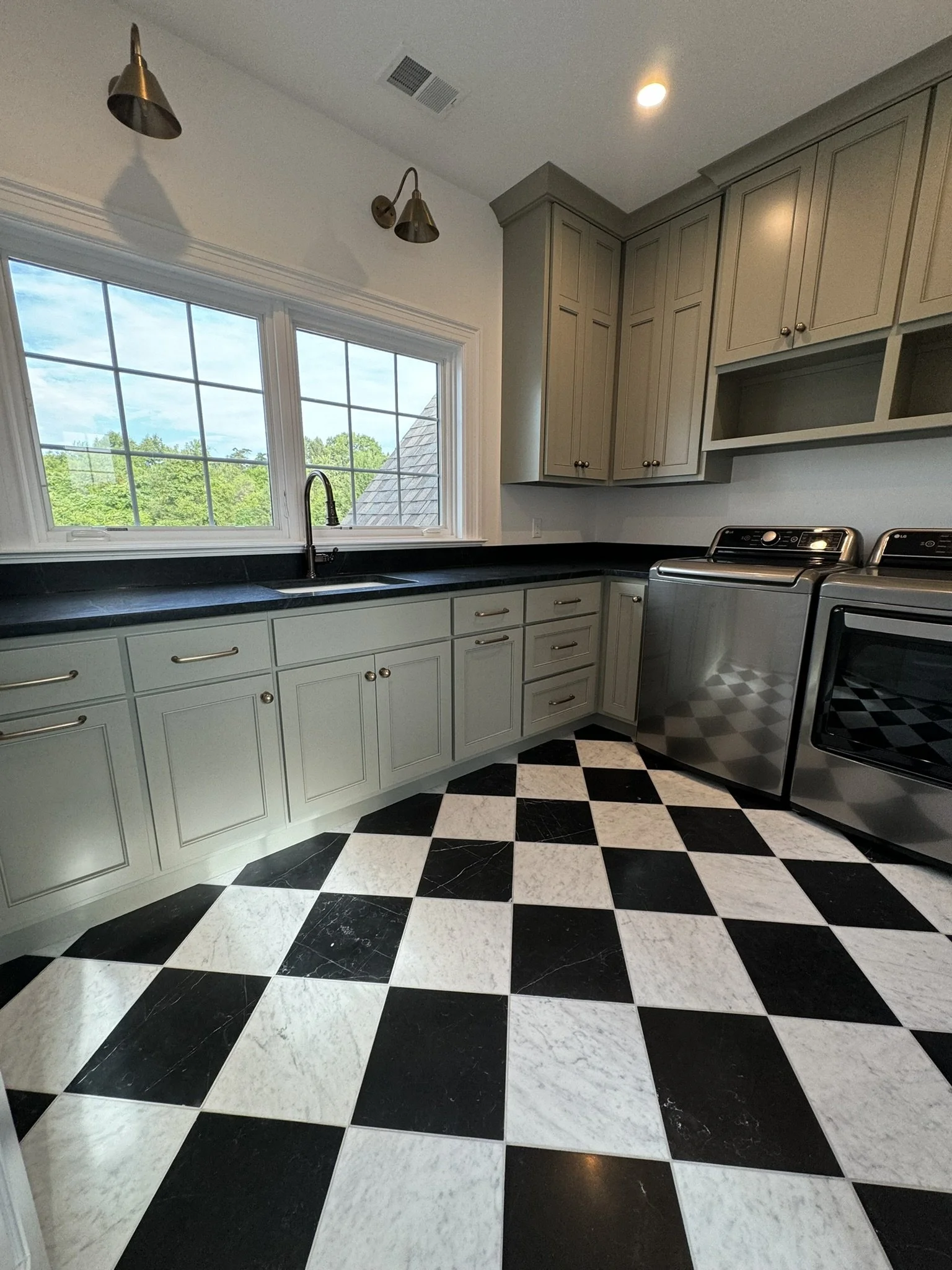
The Most Reliable Washer and Dryer Brands
See the top washer and dryer brands known for durability and performance, backed by expert insights and real-world experience.
When it comes to choosing appliances for your home, reliability is key. No one wants to deal with frequent breakdowns or costly repairs, especially when it comes to essential appliances like washers and dryers. To help you make an informed decision, we’ve compiled our years of experiences and we’ve also turned to a trusted source, Family Handyman, to discover the most reliable washer and dryer brands on the market.
Family Handyman, a leading authority on DIY projects and home improvement, recently published an insightful article highlighting the top washer and dryer brands based on reliability, performance, and customer satisfaction. Let's dive into their findings and explore which brands come out on top.
Speed Queen: Topping the list is Speed Queen, a brand renowned for its commercial-grade durability and performance. With a long-standing reputation for reliability, Speed Queen washers and dryers are built to last, making them a favorite among homeowners and laundromat owners alike. Family Handyman praises Speed Queen for its simple yet robust design, low repair frequency, and excellent customer support.
LG: LG earns high marks for its innovative features, sleek design, and dependable performance. Known for its cutting-edge technology and energy-efficient appliances, LG offers a wide range of washer and dryer models to suit various needs and budgets. Family Handyman commends LG for its advanced washing and drying cycles, intuitive controls, and solid build quality.
Whirlpool: Whirlpool is a trusted name in the appliance industry, known for producing reliable and affordable washers and dryers. With a focus on performance and durability, Whirlpool appliances are designed to withstand the rigors of daily use while delivering exceptional results. Family Handyman highlights Whirlpool's diverse product lineup, user-friendly features, and extensive service network as key factors contributing to its reliability.
Maytag: Maytag is another well-respected brand known for its dependable laundry appliances. Backed by a legacy of quality and innovation, Maytag washers and dryers are built to handle tough stains and heavy loads with ease. Family Handyman praises Maytag for its solid construction, quiet operation, and impressive longevity, making it a top choice for homeowners seeking reliability and performance.
Samsung: Rounding out the list is Samsung, a global leader in consumer electronics and home appliances. Samsung washers and dryers are praised for their stylish design, advanced technology, and innovative features. With smart connectivity options and customizable settings, Samsung appliances offer convenience and flexibility for modern lifestyles. Family Handyman highlights Samsung's reputation for quality and performance, making it a reliable choice for consumers.
In conclusion, when it comes to selecting a washer and dryer for your home, choosing a reliable brand is essential for peace of mind and long-term satisfaction. According to Family Handyman, Speed Queen, LG, Whirlpool, Maytag, and Samsung are among the most reliable brands to consider, offering durability, performance, and value for homeowners. Whether you prioritize durability, performance, or advanced features, there's a brand out there to meet your needs and exceed your expectations.
FOLLOW US ON SOCIAL

Choosing the Perfect Roofing Material for Your New Home
When it comes to building your dream home, every detail matters. From the layout of the rooms to the color of the walls, each element contributes to creating a space that reflects your style and personality. One crucial aspect of any home design is the choice of roofing material. The roof not only protects your home from the elements but also adds to its curb appeal and overall aesthetic. At Mark Scott Homes, we understand the importance of selecting the right roofing material, which is why we offer a variety of options to suit your needs and preferences. In this post, we'll explore four popular roofing materials – dimensional shingles, standing seam metal, synthetic slate or shake, and slate tile roofs – and evaluate their benefits and drawbacks.
When it comes to building your dream home, every detail matters. From the layout of the rooms to the color of the walls, each element contributes to creating a space that reflects your style and personality. One crucial aspect of any home design is the choice of roofing material. The roof not only protects your home from the elements but also adds to its curb appeal and overall aesthetic. At Mark Scott Homes, we understand the importance of selecting the right roofing material, which is why we offer a variety of options to suit your needs and preferences. In this post, we'll explore four popular roofing materials – dimensional shingles, standing seam metal, synthetic slate or shake, and slate tile roofs – and evaluate their benefits and drawbacks.
Dimensional Shingles: Dimensional shingles, also known as architectural or laminated shingles, are one of the most common roofing materials used in residential construction. These shingles are made of multiple layers of asphalt and fiberglass, giving them a three-dimensional appearance that mimics the look of wood or slate. Dimensional shingles are known for their durability, affordability, and ease of installation. They come in a wide range of colors and styles, making them suitable for various architectural designs. However, dimensional shingles may not last as long as some other roofing materials and may require periodic maintenance to prevent issues such as algae growth or shingle granule loss.
Standing Seam Metal: Standing seam metal roofs have become increasingly popular in recent years due to their modern appearance and exceptional durability. Made of steel, aluminum, or copper, these roofs feature vertical seams that connect the metal panels together. Standing seam metal roofs offer excellent weather resistance, energy efficiency, and longevity, with some lasting up to 50 years or more. They are also highly resistant to fire, wind, and pests. While standing seam metal roofs tend to be more expensive upfront compared to other materials, their long lifespan and low maintenance requirements often make them a cost-effective choice in the long run.
Synthetic Slate or Shake: Synthetic slate and shake roofing materials offer the timeless beauty of natural slate or cedar shake without the associated maintenance and cost. Made of composite materials such as rubber, plastic, or polymer, synthetic roofs are lightweight, durable, and highly resistant to impact, fire, and weathering. They require minimal maintenance and come in a variety of colors and textures to match any architectural style. Synthetic roofs are also eco-friendly, as they are often made from recycled materials and can be recycled at the end of their lifespan. However, synthetic roofing products may not offer the same authenticity or longevity as natural materials and may be susceptible to fading over time.
Slate Tile Roofs: Slate tile roofs are renowned for their elegance, longevity, and natural beauty. Made of natural stone, slate tiles are incredibly durable and can last for a century or more when properly installed and maintained. Slate roofs offer excellent resistance to fire, wind, and moisture and require minimal maintenance compared to other roofing materials. Additionally, slate tiles come in a variety of colors, sizes, and textures, allowing for endless design possibilities. However, slate roofs are among the most expensive roofing options and require skilled craftsmanship for installation. They are also heavier than other materials, requiring a reinforced roof structure to support the weight.
Choosing the right roofing material for your home is a decision that should not be taken lightly. Each option has its own unique benefits and drawbacks, and the best choice will depend on your budget, aesthetic preferences, and long-term goals. At Mark Scott Homes, we're here to help you explore your options and make an informed decision that will enhance the beauty, value, and durability of your home for years to come. Whether you prefer the classic look of dimensional shingles, the modern appeal of standing seam metal, the eco-friendly qualities of synthetic slate or shake, or the timeless elegance of slate tile, we have the expertise and resources to bring your vision to life. Contact us today to learn more about our roofing solutions and start building the home of your dreams.

Gas vs. Wood-Burning - Weighing the Pros and Cons for Fireplace Selection
Building your dream home comes with a myriad of decisions, and one choice that can significantly impact your home's ambiance and functionality is the type of fireplace you install. The debate between gas and wood-burning fireplaces is a common dilemma for homeowners. In this blog post, we'll explore the pros and cons of each, helping you make an informed decision that aligns with your lifestyle and preferences.
Building your dream home comes with a myriad of decisions, and one choice that can significantly impact your home's ambiance and functionality is the type of fireplace you install. The debate between gas and wood-burning fireplaces is a common dilemma for homeowners. In this blog post, we'll explore the pros and cons of each, helping you make an informed decision that aligns with your lifestyle and preferences.
Gas Fireplaces:
Pros:
Convenience and Ease of Use: Gas fireplaces offer unmatched convenience. With just a flip of a switch or press of a button, you can instantly enjoy the warmth and glow of a fire. There's no need to handle logs, kindling, or deal with ash cleanup.
Clean and Low Maintenance: Gas fireplaces produce minimal ash and don't create the mess associated with wood-burning alternatives. They are low maintenance, with no need for chimney cleaning or constant monitoring.
Consistent Heat Output: Gas fireplaces provide a consistent heat output, allowing for precise control over temperature settings. They are efficient in heating a room and are a reliable source of warmth.
Design Flexibility: Gas fireplaces offer design flexibility, allowing for various styles, sizes, and installation options. They can be easily integrated into modern or traditional settings, offering versatility in home design.
Cons:
Dependency on Gas Supply: Gas fireplaces are dependent on a natural gas or propane supply. If there is a disruption in the gas service, you may lose access to your fireplace. This dependency can be a drawback in certain situations.
Less Authentic Ambiance: Some argue that gas fireplaces lack the authentic ambiance and crackling sounds associated with wood-burning fires. While gas logs have improved in mimicking a natural flame, some homeowners prefer the real thing.
Wood-Burning Fireplaces:
Pros:
Ambiance and Aesthetics: Wood-burning fireplaces create a cozy and authentic ambiance. The crackling sounds and the sight of burning logs contribute to a traditional and rustic atmosphere that many homeowners find charming.
Independence from Utilities: Wood-burning fireplaces operate independently of utility services. Even during power outages, you can enjoy the warmth of a fire, making them a reliable heat source in emergencies.
Natural Fragrance: The scent of burning wood adds a natural fragrance to your home, enhancing the overall sensory experience. This aroma is often associated with comfort and relaxation.
Cons:
Maintenance and Cleanup: Wood-burning fireplaces require regular maintenance, including chimney cleaning, ash removal, and log storage. The cleanup process can be more involved compared to gas fireplaces.
Inconsistent Heat Output: The heat output of wood-burning fireplaces can be less consistent than gas alternatives. Controlling the temperature may require adjusting the size and arrangement of logs.
Environmental Impact: Burning wood contributes to air pollution and has environmental implications. In areas with strict air quality regulations, wood-burning fireplaces may face restrictions.
A lot of homeowners select the best of both worlds by installing a wood-burning option with a ceramic log set, combining the charm of a traditional fireplace with the convenience of gas, striking a perfect balance between authenticity and ease of use.
Choosing between gas and wood-burning fireplaces ultimately depends on your lifestyle, preferences, and priorities. Gas fireplaces offer convenience and low maintenance, while wood-burning fireplaces provide a classic ambiance and independence from utility services. Consider your heating needs, aesthetic preferences, and commitment to maintenance when making this crucial decision for your new home.
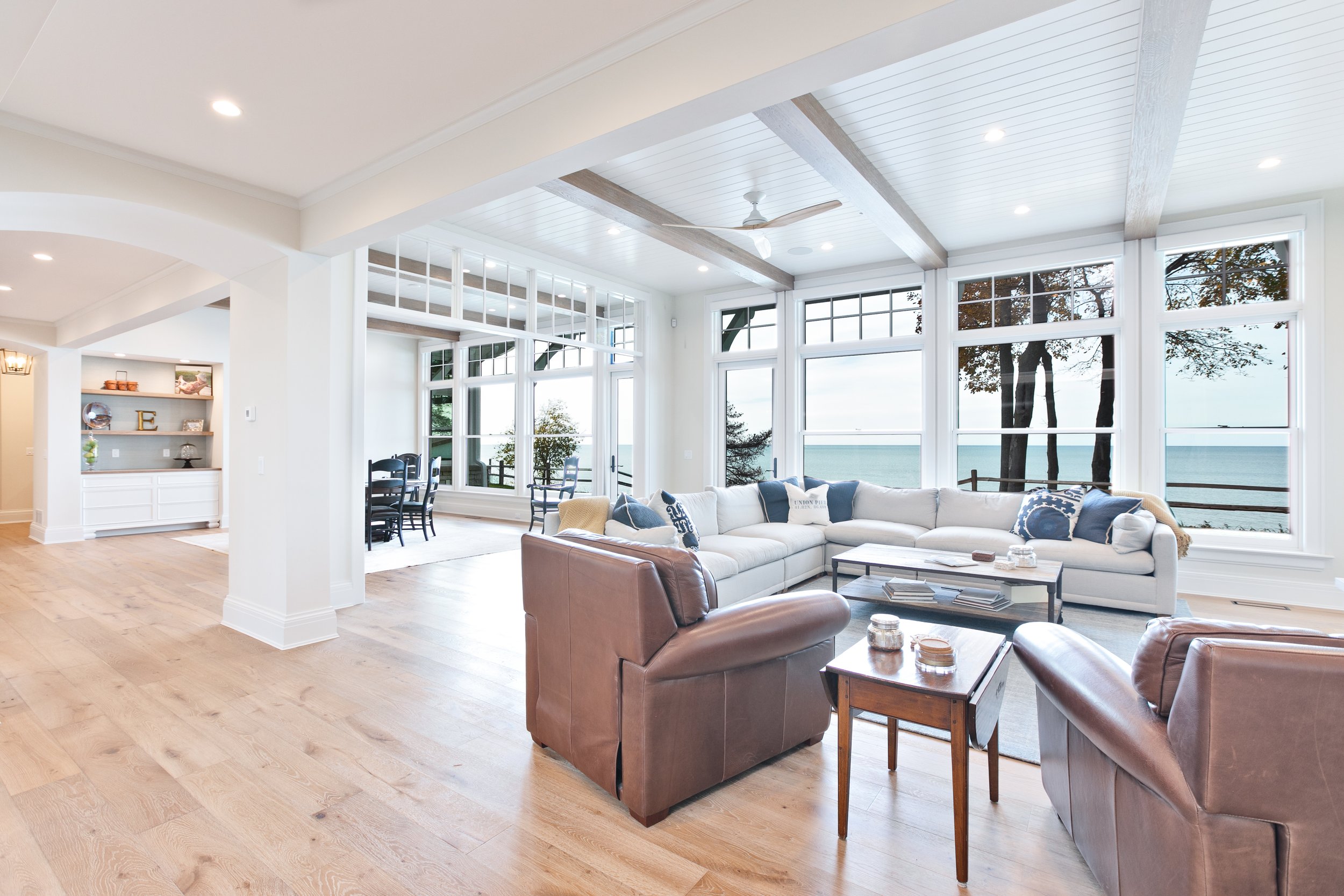
The Ultimate Window Showdown: Marvin, Pella, Weathershield & Anderson
When it comes to choosing windows for your home, the options can be overwhelming. Four major players in the window industry stand out as industry leaders: Marvin, Pella, WeatherShield, and Anderson. Each of these brands boasts a rich history, innovative technologies, and a commitment to quality. In this blog post, we'll compare these renowned window manufacturers to help you make an informed decision when selecting the perfect windows for your home.
When it comes to choosing windows for your home, the options can be overwhelming. Four major players in the window industry stand out as industry leaders: Marvin, Pella, WeatherShield, and Anderson. Each of these brands boasts a rich history, innovative technologies, and a commitment to quality. In this blog post, we'll compare these renowned window manufacturers to help you make an informed decision when selecting the perfect windows for your home.
Marvin Windows
Marvin Windows is a name synonymous with craftsmanship and innovation. Established in 1912, the company has a legacy of delivering high-quality windows that blend elegance and performance seamlessly. One of Marvin's standout features is its dedication to customization, allowing homeowners to create bespoke windows tailored to their specific needs and architectural styles. Their attention to detail and a wide array of design options make Marvin a go-to choice for those seeking premium, made-to-order windows.
Pella Windows
Pella is another stalwart in the window industry, with a history dating back to 1925. Known for its relentless pursuit of innovation, Pella Windows offers a diverse range of products, including wood, vinyl, and fiberglass options. Pella is often lauded for its energy-efficient designs, with features like Low-E glass and InsulShield technology that help homeowners save on utility bills while maintaining a comfortable indoor environment. Pella's focus on innovation and a vast selection of styles and materials make them a popular choice for homeowners seeking both efficiency and aesthetics.
WeatherShield Windows
WeatherShield Windows has been a pioneer in the window industry since 1955. Renowned for its wood and aluminum-clad wood windows, WeatherShield has built a reputation for manufacturing durable and long-lasting windows. A notable feature of WeatherShield is its Zo-e-shield glazing, which offers exceptional energy efficiency, reducing heat transfer and UV rays. With a variety of customization options and impressive warranties, WeatherShield is an excellent choice for homeowners seeking windows that blend sustainability, performance, and aesthetics.
Anderson Windows
Founded in 1903, Anderson Windows is one of the oldest and most trusted names in the window market. Anderson's dedication to sustainability shines through its use of recycled materials and its commitment to responsible forest management. Their flagship product, the Fibrex composite frame, combines the best features of wood and vinyl, offering durability, low maintenance, and excellent energy efficiency. Anderson's extensive product line includes a wide range of styles, colors, and hardware options, making them suitable for diverse architectural tastes.
Comparison Summary:
Marvin: Known for unparalleled customization and premium craftsmanship, ideal for those seeking bespoke windows to match their unique vision.
Pella: A leader in innovation, offering energy-efficient windows in various materials, catering to homeowners looking for both functionality and style.
WeatherShield: Renowned for its durable wood and aluminum-clad wood windows, perfect for those prioritizing sustainability and lasting performance.
Anderson: One of the oldest and most reliable window brands, offering a wide selection of styles with an emphasis on eco-friendly practices.
Conclusion
Choosing the right windows for your home is a critical decision that impacts both aesthetics and functionality. Each of these four window manufacturers, Marvin, Pella, WeatherShield, and Anderson, brings something unique to the table. Consider your priorities, such as customization, energy efficiency, durability, and sustainability, to determine which brand aligns best with your needs and preferences. Whichever you choose, rest assured that these industry giants have a proven track record of delivering top-notch windows that will enhance the beauty and performance of your home for years to come.

Choosing the Perfect Pool: Comparing Gunite, Fiberglass and Liner Pools
When it comes to creating your dream backyard oasis, few things are as enticing as having a swimming pool. However, choosing the right type of pool for your specific needs and preferences can be a daunting task. Three popular options in the market are gunite, fiberglass, and liner pools. In this blog post, we will compare these pool types, exploring their characteristics, advantages, and considerations to help you make an informed decision.
When it comes to creating your dream backyard oasis, few things are as enticing as having a swimming pool. However, choosing the right type of pool for your specific needs and preferences can be a daunting task. Three popular options in the market are gunite, fiberglass, and liner pools. In this blog post, we will compare these pool types, exploring their characteristics, advantages, and considerations to help you make an informed decision.
Gunite Pools: Gunite pools, also known as concrete or shotcrete pools, are constructed by spraying a mixture of cement, sand, and water onto a framework of steel reinforcement. These pools are highly customizable, allowing for unique shapes, sizes, and features.
Pros of Gunite Pools:
Flexibility and Customization: Gunite pools offer endless design possibilities. They can be tailored to fit any shape or size, allowing you to create a truly unique and personalized pool.
Durability: Gunite pools are known for their strength and longevity. With proper maintenance, they can withstand harsh weather conditions and last for decades.
Design Features: The flexibility of gunite allows for the incorporation of various design features, such as waterfalls, spas, and custom steps. This allows you to create a pool that matches your aesthetic preferences and enhances your outdoor living space.
Cons of Gunite Pools:
Longer Installation Time: Constructing a gunite pool is a complex process that requires skilled professionals. As a result, the installation time can be longer compared to other pool types.
Higher Maintenance: Gunite pools require regular maintenance to prevent staining, cracking, and scaling. This includes routine cleaning, pH balancing, and occasional resurfacing to maintain its appearance and integrity.
Fiberglass Pools: Fiberglass pools are premanufactured pools made of a single-piece fiberglass shell, which is then installed in the excavated area.
Pros of Fiberglass Pools:
Quick Installation: Fiberglass pools have a faster installation time compared to gunite pools. Since they are prebuilt, they are simply delivered and installed, minimizing construction time.
Smooth Surface: The smooth and nonporous surface of fiberglass pools resists algae and bacteria growth, reducing maintenance and chemical usage.
Lower Lifetime Cost: While the initial cost of a fiberglass pool may be higher, they require less maintenance and have lower lifetime costs compared to gunite pools.
Cons of Fiberglass Pools:
Limited Design Options: Fiberglass pools come in a variety of shapes and sizes, but they lack the customization options of gunite pools. Design alterations are limited to the available molds.
Transportation Limitations: Due to the size limitations of transportation, larger fiberglass pools may be difficult to deliver to certain locations, making them less suitable for properties with limited access.
Liner Pools: Liner pools consist of a vinyl liner that is secured to a frame constructed of steel, aluminum, or polymer.
Pros of Liner Pools:
Cost-Effective: Liner pools are generally more affordable than gunite or fiberglass pools, making them a popular choice for budget-conscious homeowners.
Comfortable Surface: The smooth, soft surface of a vinyl liner pool provides a comfortable swimming experience for both adults and children.
Easy Maintenance: Liner pools are relatively low-maintenance. The nonporous surface resists algae growth, and if the liner becomes worn or stained, it can be easily replaced.
Cons of Liner Pools:
Limited Lifespan: Vinyl liners have a lifespan of around 10-15 years, depending on maintenance and usage. Replacement of the liner will be required periodically.
Vulnerability to Damage: While vinyl liners are durable, they can be susceptible to tears or punctures from sharp objects or rough play. Proper care and maintenance are essential to avoid damage.
Selecting the right pool type depends on your individual needs, budget, and preferences. Gunite pools offer extensive customization options and long-lasting durability, but require more maintenance. Fiberglass pools provide quick installation and lower lifetime costs, but with limited design options. Liner pools offer affordability and easy maintenance, but may require periodic liner replacement.
Consider factors such as your budget, desired design, maintenance requirements, and expected lifespan when making your decision. Consulting with a professional pool builder can provide further guidance and help you select the pool type that best suits your needs. With careful consideration and research, you can choose the perfect pool that will transform your backyard into a refreshing and inviting oasis.

Tankless Water Heater vs. Traditional Water Heater: Making an Informed Choice
In today's modern world, homeowners have an array of options when it comes to heating water for their daily needs. Two popular choices are tankless water heaters and traditional water heaters. While both serve the same purpose, they have significant differences in terms of efficiency, cost, and convenience. In this blog post, we will explore the pros and cons of tankless water heaters and traditional water heaters, helping you make an informed decision for your home.
In today's modern world, homeowners have an array of options when it comes to heating water for their daily needs. Two popular choices are tankless water heaters and traditional water heaters. While both serve the same purpose, they have significant differences in terms of efficiency, cost, and convenience. In this blog post, we will explore the pros and cons of tankless water heaters and traditional water heaters, helping you make an informed decision for your home.
Tankless Water Heaters: Tankless water heaters, also known as on-demand water heaters, have gained popularity in recent years due to their energy efficiency and space-saving design. Unlike traditional water heaters, tankless models do not store and continuously heat a large volume of water. Instead, they heat water as it passes through the unit, providing hot water on demand.
Pros of Tankless Water Heaters:
Energy Efficiency: Tankless water heaters are highly energy efficient since they only heat water when needed. By eliminating standby heat loss, which occurs in traditional water heaters, tankless models can help you save on your energy bills.
Continuous Hot Water: With a tankless water heater, you don't have to worry about running out of hot water. These units provide a continuous supply of hot water, making them ideal for larger households or situations where hot water is frequently needed.
Space Saving: Tankless water heaters are compact and can be installed on walls, freeing up valuable floor space. This feature is especially advantageous for those with limited space in their utility rooms or apartments.
Cons of Tankless Water Heaters:
Higher Initial Cost: Tankless water heaters generally have a higher upfront cost compared to traditional water heaters. The cost includes not only the unit but also professional installation, which may require modifications to existing plumbing and electrical systems.
Limited Flow Rate: Although tankless water heaters can provide a continuous supply of hot water, they have a maximum flow rate. If multiple hot water outlets are used simultaneously, the flow rate may decrease, leading to reduced water pressure.
Traditional Water Heaters: Traditional water heaters, often referred to as storage tank water heaters, have been the standard choice in most households for many years. These units store and continuously heat a specific volume of water in a tank, ready for use when needed.
Pros of Traditional Water Heaters:
Lower Initial Cost: Traditional water heaters are generally more affordable upfront, making them an attractive option for homeowners on a tight budget.
Simplicity: Traditional water heaters are simple to operate and maintain. They have fewer components and are less complicated than tankless models, which can make repairs and replacements easier.
Cons of Traditional Water Heaters:
Standby Heat Loss: Since traditional water heaters continuously heat and store a large volume of water, they are prone to standby heat loss. This means energy is wasted as heat escapes from the tank, even when hot water is not in use.
Limited Lifespan: Traditional water heaters typically have a lifespan of around 10-15 years, after which they may require replacement. Tank corrosion and sediment buildup can contribute to reduced efficiency and costly repairs.
Conclusion: Choosing between a tankless water heater and a traditional water heater ultimately depends on your specific needs and circumstances. Tankless water heaters offer energy efficiency, continuous hot water, and space-saving benefits, but come with a higher initial cost. On the other hand, traditional water heaters are more affordable upfront, but may be less energy efficient and have a limited lifespan.
Consider factors such as your household size, hot water usage patterns, available space, and budget when making your decision. It may also be helpful to consult with a professional plumber who can assess your home's requirements and recommend the best option.
Ultimately, both tankless and traditional water heaters have their advantages and disadvantages. By weighing these factors, you can choose the system that best meets your needs for reliable and efficient hot water in your home.

Creating the Perfect Kitchen: A Guide for Your New Home
The kitchen is the heart of any home, and designing the perfect kitchen in your new home is a thrilling opportunity to blend functionality, style, and personal flair. When working with a reputable builder like Mark Scott Homes, you can ensure a well-crafted space that caters to your unique needs. In this blog post, we will guide you through the essential elements and considerations for creating the best kitchen in your new home.
Thoughtful Layout and Flow:
A well-designed kitchen starts with careful planning. Collaborate with the your team to determine the most efficient layout for your kitchen. Consider the classic kitchen work triangle, which connects the stove, sink, and refrigerator, allowing for easy movement and optimal functionality. Aim for a layout that maximizes counter space, minimizes traffic congestion, and creates a seamless flow for cooking, cleaning, and entertaining.
Quality Materials and Appliances:
When working with Mark Scott Homes, you can expect superior craftsmanship and attention to detail. Opt for high-quality materials that combine durability with aesthetic appeal. Choose sturdy cabinetry, countertops, and flooring that withstand the demands of daily use. Select appliances that align with your cooking style and preferences, ensuring they offer the latest technology and energy efficiency for a seamless culinary experience.
Ample Storage and Organization:
Storage is essential in any kitchen. Work closely with your designer to incorporate ample storage solutions that cater to your needs. Utilize a mix of cabinets, drawers, and pantry space to optimize organization and keep your kitchen clutter-free. Consider features such as pull-out shelves, spice racks, and customized dividers to make the most of every inch of storage space.
Functional Workspaces:
A well-designed kitchen provides functional workspaces for food preparation, cooking, and cleanup. Incorporate a spacious and durable countertop where you can comfortably chop, mix, and assemble ingredients. Install a multi-burner stove and a well-placed range hood to create an efficient cooking area. Don't forget to include a functional sink with easy access to water and a dishwasher for convenient cleanup.
Lighting and Ambiance:
Proper lighting is crucial in creating a warm and inviting atmosphere in your kitchen. Strategically place a combination of ambient, task, and accent lighting to ensure a well-lit workspace. Consider pendant lights over the island, under-cabinet lighting for countertop tasks, and dimmable fixtures to set the mood during meal times or gatherings. Collaborate with your designer to create a lighting plan that complements your kitchen's design and enhances its functionality.
Personal Touches and Design Elements:
Infuse your personality into the kitchen design by incorporating unique design elements and personal touches. Consider adding a backsplash with a captivating pattern or texture, incorporating statement fixtures, or integrating open shelving to showcase your favorite kitchenware or decor. Work with the professionals at Mark Scott Homes to find the perfect balance between style, functionality, and personalization.
Conclusion:
With the expertise of Mark Scott Homes, you can create the best kitchen for your new home, where functionality meets style and craftsmanship. By considering layout, quality materials, storage solutions, functional workspaces, lighting, and personal touches, you can design a kitchen that perfectly suits your lifestyle and culinary aspirations. Collaborate with the skilled team at Mark Scott Homes to transform your vision into a reality and create a kitchen that will be the heart of your new home for years to come.

Geothermal Energy: A Simple Guide for Homeowners
One out of eight our homes utilize Geothermal for heating and cooling. Geothermal systems utilize the Earth's natural heat to provide efficient heating, cooling, and hot water for residential properties. In this blog post, we'll break down the basics of geothermal energy in a way that anyone can understand.
What is Geothermal Energy?
Geothermal energy refers to the heat stored within the Earth. By harnessing this heat, geothermal systems can provide heating and cooling for residential homes. Unlike traditional heating and cooling methods that rely on burning fuels or consuming electricity, geothermal systems tap into the Earth's constant temperature to efficiently regulate indoor climate.
How Does Geothermal Energy Work?
Geothermal systems consist of three main components: a heat pump, a ground loop, and a distribution system.
Heat Pump: The heat pump is the heart of a geothermal system. It works by transferring heat between the ground and your home. During winter, the heat pump extracts heat from the ground through the ground loop and distributes it throughout your house. In summer, it removes excess heat from your home and transfers it back into the ground.
Ground Loop: The ground loop is a series of pipes buried underground. It circulates a water-based solution or refrigerant that absorbs or releases heat to and from the ground. The two most common types of ground loops are vertical and horizontal. Vertical loops are used when space is limited, and holes are drilled deep into the ground. Horizontal loops are installed in larger areas and buried in trenches.
Distribution System: The distribution system in a geothermal setup is similar to traditional HVAC systems. It includes ductwork to deliver warm or cool air to different rooms in your home. In some cases, radiant heating systems, such as underfloor heating, can be used to distribute the heat.
Benefits of Geothermal Energy for Homeowners:
Energy Efficiency: Geothermal systems are highly efficient, using the Earth's constant temperature as a renewable energy source. They can provide significant energy savings compared to traditional systems, resulting in lower utility bills.
Environmental Friendliness: Geothermal energy is clean and environmentally friendly. It produces no greenhouse gas emissions on-site and reduces reliance on fossil fuels, helping to combat climate change and preserve the environment.
Consistent Comfort: Geothermal systems provide consistent heating and cooling throughout the year, eliminating temperature fluctuations and creating a comfortable living environment.
Quiet Operation: Geothermal systems operate quietly, without the noise associated with traditional HVAC systems. This ensures a peaceful home environment.
Longevity and Minimal Maintenance: Geothermal systems are built to last and require minimal maintenance. The ground loops can last for decades, and the systems have fewer moving parts, reducing the risk of mechanical failure.
Conclusion:
Geothermal energy offers homeowners an efficient and eco-friendly way to heat, cool, and provide hot water for their residences. By tapping into the Earth's natural heat, geothermal systems provide consistent comfort, reduce energy consumption, and contribute to a greener future. Consider exploring geothermal energy as an investment that benefits both your wallet and the environment. With its simplicity and long-term benefits, geothermal energy is an excellent choice for homeowners looking to embrace sustainable solutions.
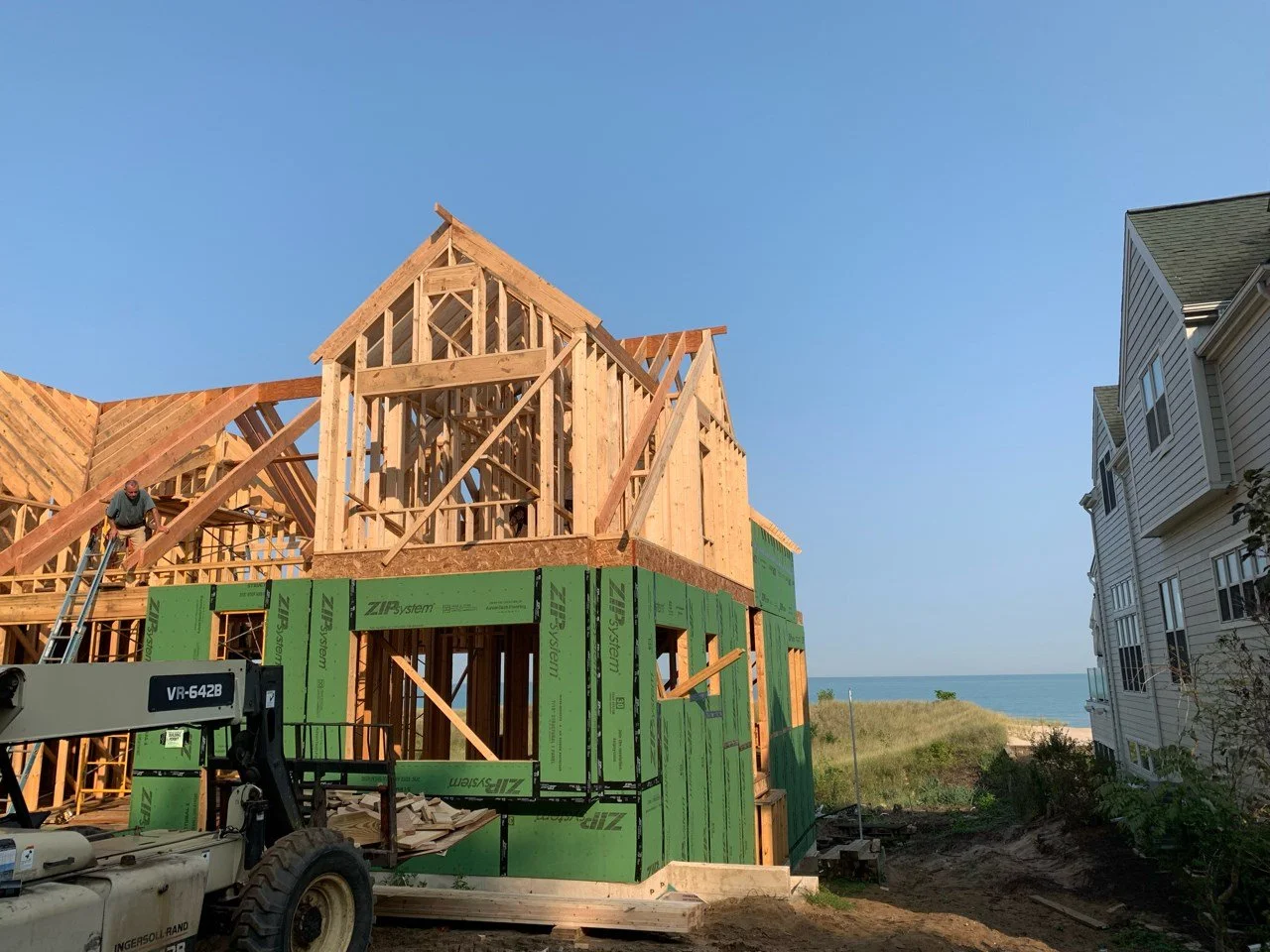
AdvanTech Zip System: The Superior Solution for New Home Construction
When it comes to building a new home, choosing the right materials is crucial for long-lasting durability and exceptional performance. One revolutionary product that has gained significant recognition in the construction industry is the AdvanTech Zip System. This innovative sheathing and weather barrier system offers numerous benefits, from enhanced moisture protection to improved energy efficiency. In this blog post, we'll explore the advantages of the AdvanTech Zip System and why it has become the go-to choice for new home construction.
Unmatched Moisture Protection:
Moisture damage is a significant concern in any construction project. The AdvanTech Zip System is designed to provide superior moisture protection, keeping your new home safe and dry. The engineered wood sheathing acts as a barrier against water infiltration, preventing leaks and potential damage to the structure. The integrated tape system ensures a seamless and watertight seal, minimizing the risk of moisture-related issues such as rot, mold, and mildew.
Exceptional Strength and Durability:
The AdvanTech Zip System is built to withstand the elements and provide long-lasting durability. The engineered wood panels are highly resistant to warping, delamination, and buckling, ensuring structural integrity over time. This strength translates into a solid and reliable foundation for your new home, offering peace of mind and reducing the need for costly repairs or replacements down the line.
Energy Efficiency and Air Tightness:
The AdvanTech Zip System excels in improving energy efficiency and maintaining a comfortable indoor environment. The integrated tape system not only provides moisture protection but also helps create an airtight building envelope. By minimizing air leakage, the system reduces energy loss, prevents drafts, and enhances thermal performance. This translates into lower heating and cooling costs, increased energy savings, and a more sustainable home.
Time and Labor Savings:
One of the notable advantages of the AdvanTech Zip System is its streamlined installation process, leading to significant time and labor savings. The panels are easy to handle and install, allowing for efficient construction timelines. The integrated tape system eliminates the need for separate taping or sealing, reducing labor-intensive tasks and improving overall construction productivity. With the AdvanTech Zip System, builders can achieve faster project completion without compromising quality.
Proven Performance and Warranties:
The AdvanTech Zip System has a strong track record of performance and reliability. It undergoes rigorous testing and has proven its durability and resistance to various weather conditions. Additionally, the system is backed by comprehensive warranties, providing homeowners and builders with confidence in its quality and long-term protection.
Conclusion:
Choosing the right building materials is essential for constructing a new home that stands the test of time. The AdvanTech Zip System offers a comprehensive solution, combining superior moisture protection, strength, energy efficiency, and ease of installation. With its exceptional performance and proven track record, this innovative system has become a top choice for builders and homeowners alike. By incorporating the AdvanTech Zip System into your new home construction, you can ensure a resilient, energy-efficient, and long-lasting living space that exceeds your expectations.

UNDERSTANDING CONDENSATION
Condensation is one of the biggest problems in a modern, well insulated home. Additionally, it is the one which is most misunderstood. Left untreated, condensation can lead to mold growth which can be potentially harmful and lead to serious health issues and breathing difficulties which is why it is important to reduce humidity levels in a home.
Condensation is one of the biggest problems in a modern, well insulated home. Additionally, it is the one which is most misunderstood. Left untreated, condensation can lead to mold growth which can be potentially harmful and lead to serious health issues and breathing difficulties which is why it is important to reduce humidity levels in a home.
When condensation appears on the interior of your windows, everyone assumes it must be the windows. Your home is insulated to protect against extremes of outdoor temperatures. With this insulation, a vapor barrier is installed to prevent moisture from getting into wall, ceiling and floor cavities where it can cause damage. Since moisture cannot escape through the structure the excess must pass through the any opening built into your home.
In daily living you add moisture to the air by breathing, cooking, washing clothes, bathing and even by heating your home with gas. As a homeowner you must control condensation so that it doesn’t cause damage to the surfaces and the structure of your home.
Based on keeping an indoor temperature of 70 degrees, humidity will vary with the outdoor temperature. Use the following maximum recommended humidity levels to keep condensation under control:
Outside Air Temperature Maximum Recommended Indoor Humidity Level
-20 F or Colder Up to15% Maximum
-20 F to -10 F Up to 20% Maximum
-10 F Up to 25% Maximum
0 F Up to 30% Maximum
10 F Up to 35% Maximum
20 F to 40 F Up to 40% Maximum
Humidity levels above these are not recommended unless special provisions are taken during construction.
Here are a few tips that can help you control humidity:
When cooking on the range, turn on the exhaust fan in the hood above it, which will carry moisture from cooking outdoors.
When taking a shower or bath, keep the bathroom door shut to confine the moisture in the bathroom alone. Turn on the bathroom vent fan or open the window slightly for 30 minutes to let excess moisture escape.
When doing laundry, avoid hanging wet clothes in your home. Use a dryer if you have one; it exhausts moisture directly into outside air.
Avoid storing firewood indoors.
The humidity level that should be maintained in your home varies with outside temperature. The colder it is outside, the lower the humidity level must be inside your home. Keep in mind not to take your humidity too extreme, or you’ll experience shrinking and drying of walls, wood floors and cabinetry. All major manufactures of humidifiers list the recommended humidity settings based on outside temperatures.
When in doubt, consult a Home Maintenance Expert to review your home to control Condensation before damage is done.
Change orders aren’t always a bad thing—but they can cause budget and schedule stress if they aren’t managed correctly. Here’s what change orders really mean, what triggers them, and how a great builder keeps them under control.