


Window Condensation Explained
Seeing condensation on your windows? It’s often normal in winter, especially in energy-efficient homes. Learn when it’s harmless—and when it’s a sign to investigate further.
Window Condensation Explained: What’s Normal, What’s Not, and When to Be Concerned
Condensation on windows is one of the most common questions homeowners ask—especially during colder months. If you’re seeing moisture on your windows, don’t panic. In many cases, condensation is a sign your home and windows are performing exactly as designed.
This guide explains:
Why window condensation happens
When it’s normal
When it’s a problem
What you can do to manage it
What Causes Condensation on Windows?
Condensation forms when warm, moisture-filled indoor air meets a colder surface, such as window glass in winter. When the air cools quickly, it releases moisture in the form of water droplets.
Modern homes—especially custom, energy-efficient homes—are built to be:
Airtight
Well insulated
Energy efficient
That’s great for comfort and efficiency, but it also means moisture stays inside longer than it did in older homes.
Why Condensation Is Common in New, Energy-Efficient Homes
New windows and tight building envelopes reduce drafts and heat loss. Because less warm air escapes, interior glass surfaces can remain cooler, making condensation more visible.
Daily activities add surprising amounts of moisture to your home:
Cooking
Showering
Laundry
Even breathing
In winter, that moisture has fewer escape paths, so it often shows up on windows first.
👉 Condensation does not mean your windows are failing.
It often means your home is sealed and insulated well.
Types of Window Condensation (And What They Mean)
Interior Window Condensation
Usually normal
Most common in winter and often appears:
Overnight
In bathrooms or kitchens
On north-facing windows
✔ Clears during the day
✔ Light moisture
✔ No damage
This is typically not a concern.
Exterior Window Condensation
A good sign
Moisture on the outside of windows usually occurs when:
Outdoor air warms faster than the glass
Windows are highly energy efficient
This indicates your windows are keeping heat inside where it belongs.
Condensation Between Window Panes
Cause for concern
If moisture appears between panes of glass:
The insulated seal has failed
Performance is reduced
Moisture will not clear on its own
This typically requires professional evaluation and repair.
When Should You Be Concerned About Window Condensation?
You should investigate further if condensation:
Is persistent and heavy
Causes water pooling on sills
Leads to peeling paint or wood damage
Is associated with mold or mildew
Appears between panes of glass
These conditions may indicate high indoor humidity or ventilation issues—not poor construction, but something that needs adjustment.
How to Reduce Interior Window Condensation
Improve Air Circulation
Open blinds and curtains during the day
Allow warm air to reach window surfaces
Control Indoor Humidity
Use kitchen and bathroom exhaust fans
Run fans during and after showers
Avoid overusing humidifiers in winter
Monitor Humidity Levels
Ideal winter indoor humidity: 25–35%
Use a hygrometer to track levels accurately
Manage Moisture Sources
Cover pots while cooking
Vent dryers outdoors
Ensure ventilation systems are operating properly
Final Thoughts for Homeowners
Window condensation is a normal part of living in a high-performance home—especially during seasonal temperature swings. Understanding the difference between normal moisture and warning signs helps protect your home and gives peace of mind.
If you ever have questions, addressing them early is always the best approach.
Frequently Asked Questions About Window Condensation
-
Yes, in many cases it is. Light condensation on the interior of windows during colder months is common—especially in newer, energy-efficient homes. It often appears overnight and clears as the home warms during the day.
-
In winter, the glass surface of windows becomes much colder while indoor air stays warm and holds moisture. When that warm, humid air touches the cold glass, condensation forms. The bigger the temperature difference, the more likely condensation becomes.
-
New homes are built tighter and better insulated than older homes. While this improves comfort and efficiency, it also means moisture created by everyday living—showers, cooking, laundry, and even breathing—stays inside longer instead of escaping through drafts.
-
A good target range for winter is typically 25–35% indoor relative humidity. When outdoor temperatures drop significantly, indoor humidity may need to be on the lower end of that range to help reduce condensation.
-
No. Exterior condensation is usually a good sign. It often means your windows are insulating well and keeping warm air inside your home. This typically happens when outdoor air warms quickly while the glass remains cool.
-
You should look closer if condensation:
Is heavy and persistent
Causes water pooling on window sills
Leads to peeling paint or swelling wood
Is accompanied by musty smells or mold
Appears between the panes of glass
These signs suggest humidity or ventilation issues that should be addressed.
-
Condensation or fogging between panes usually indicates a failed seal in the insulated glass unit. Moisture is trapped inside the glass and typically will not clear on its own. This situation should be evaluated by a professional.
-
Simple steps often help:
Use kitchen and bathroom exhaust fans during and after use
Improve air circulation near windows
Open blinds and curtains during cold spells
Avoid overusing humidifiers in winter
Monitor indoor humidity with a hygrometer
-
Not necessarily. In most cases, condensation is related to indoor humidity and airflow—not a window defect. Only condensation between panes typically indicates a window performance issue.
Builder’s Perspective:
In a well-built, high-performance home, the goal is comfort and efficiency—meaning less air leakage and better insulation. That tighter envelope can make seasonal condensation more noticeable, especially during cold snaps. Most of the time, it’s not a window problem—it’s a humidity/airflow balance issue. If it’s heavy, persistent, or showing up between panes, we want to know early so we can help you address it before it affects trim, finishes, or indoor air quality.
FOLLOW US ON SOCIAL







How to Save Costs When Building a New Home
Building a new home is an exciting journey, but managing costs effectively is crucial to ensure you stay within your budget without compromising on quality. One of the best ways to keep costs under control is to focus on efficiencies that offer long-term value. Whether it's through energy savings, smart design choices, or material selection, here are some key cost efficiencies to consider when building your new home.
Building a new home is an exciting journey, but managing costs effectively is crucial to ensure you stay within your budget without compromising on quality. One of the best ways to keep costs under control is to focus on efficiencies that offer long-term value. Whether it's through energy savings, smart design choices, or material selection, here are some key cost efficiencies to consider when building your new home.
1. Energy-Efficient Design
Incorporating energy-efficient design from the start will not only reduce your carbon footprint but also save you money on utility bills over time. Key considerations include:
High-quality insulation: A well-insulated home reduces heating and cooling costs, keeping your energy bills low.
Energy-efficient windows: Choose windows with low-E coatings and double or triple panes to minimize energy loss.
LED lighting: Energy-saving LED lights last longer and use less power than traditional bulbs, lowering your electricity costs.
Energy-efficient appliances: Opt for ENERGY STAR-certified appliances to reduce energy consumption and long-term utility costs.
2. Smart Home Technology
Smart home technology is not just about convenience—it can also lead to significant cost savings. Consider installing:
Smart thermostats: These allow you to optimize heating and cooling remotely, reducing unnecessary energy use.
Lighting automation: Timers and motion sensors ensure that lights are only on when needed, cutting down on electricity usage.
3. Modular or Prefabricated Components
Using modular or prefabricated elements can streamline the building process and reduce labor costs. Prefabricated components, such as walls or roof trusses, are made off-site, ensuring precision and minimizing waste during construction. This efficiency can lead to faster build times and lower overall costs.
4. Simplified Architectural Design
A simple, thoughtful architectural design can lead to significant savings without sacrificing style. Here’s how:
Straightforward floor plans: Reducing the number of corners, curves, and complex rooflines can help lower construction costs.
Standardized windows and doors: Using standard-sized windows and doors is more affordable than opting for custom sizes.
Multiple floors: By building up, or utilizing the basement for living space maximizes overall costs vs. a single story home.
5. Durable, Low-Maintenance Materials
Opting for durable and low-maintenance materials might have a higher upfront cost, but they’ll save you money in the long run by reducing the need for repairs and replacements. Consider:
Fiber cement siding: A durable, fire-resistant material that requires less maintenance than wood siding.
Metal roofing: Though more expensive initially, metal roofs last longer and require less upkeep compared to traditional asphalt shingles.
Composite decking: For outdoor spaces, composite materials outlast wood, requiring less maintenance and fewer repairs.
6. Efficient Use of Space
Maximizing the space in your home without unnecessary expansions can save money while enhancing functionality:
Open floor plans: Open layouts reduce the need for excess walls and create a more spacious, connected feel.
Multi-functional rooms: Designing rooms that serve multiple purposes (e.g., a home office that doubles as a guest room) helps you get more use out of your square footage.
7. Optimized Building Site
The way your home is positioned on its lot can have a big impact on both initial costs and long-term savings:
Maximizing natural light: Strategically placing windows to capture natural light reduces the need for artificial lighting and heating.
Site grading: Minimizing the amount of earth-moving and grading required can cut costs significantly.
8. Water-Saving Fixtures and Systems
Water-efficient fixtures not only help the environment but can also reduce water bills:
Low-flow faucets and showerheads: These reduce water usage while maintaining performance.
Dual-flush toilets: These use less water for liquid waste, reducing overall water consumption.
Rainwater collection systems: In certain areas, rainwater collection can be used for landscaping or non-potable water needs, lowering your water usage.
9. Minimalist Finishes and Materials
In some areas of the home, opting for minimalist or simple finishes can be a cost-effective way to achieve style without overspending:
Polished concrete floors: These are durable, modern, and less expensive than hardwood or tile flooring options.
Open shelving in kitchens: Open shelving is a stylish and budget-friendly alternative to full cabinetry.
10. Thoughtful Landscaping
Landscaping can be an ongoing expense, but choosing low-maintenance, drought-resistant plants and hardscaping features such as gravel or stone pathways can reduce the need for frequent upkeep and excessive watering, keeping costs down in the long run.
11. Efficient Construction Management
A well-managed construction timeline is key to cost efficiency. An experienced builder who communicates clearly and plans proactively can avoid costly delays, reduce labor expenses, and minimize material waste. Clear communication between you and your builder can also help avoid misunderstandings that could lead to expensive rework.
Cost efficiencies during the construction of your new home are all about making smart, long-term decisions. By focusing on energy efficiency, durable materials, thoughtful design, and experienced construction management, you can build a home that not only meets your needs today but saves you money over time. At Mark Scott Homes, we specialize in guiding homeowners through these decisions, ensuring your home is both beautiful and cost-efficient. Reach out today to start building your dream home with us!

How to Maximize Home Energy Efficiency
In today's world, energy efficiency is no longer just a trend; it’s a necessity. At Mark Scott Homes, we believe that building energy-efficient homes is about more than just reducing your environmental footprint—it’s about maximizing comfort, ensuring long-term savings, and creating a better living experience for you and your family.
In today's world, energy efficiency is no longer just a trend; it’s a necessity. At Mark Scott Homes, we believe that building energy-efficient homes is about more than just reducing your environmental footprint—it’s about maximizing comfort, ensuring long-term savings, and creating a better living experience for you and your family.
Why Energy Efficiency Matters in Custom Homes
Energy-efficient homes aren’t just good for the planet; they make financial sense. By reducing the amount of energy your home consumes, you can significantly lower your utility bills. Over time, the savings from an energy-efficient home can add up, often offsetting the initial investment in better materials and systems.
More than that, energy-efficient homes are more comfortable. They maintain a consistent indoor temperature, improve air quality, and reduce noise pollution. Whether it’s keeping cool during a hot summer or warm in the dead of winter, a well-insulated, energy-efficient home works with the environment, not against it.
Our Approach to Energy-Efficient Building
At Mark Scott Homes, we integrate energy efficiency into every stage of our custom home-building process. Here’s how we do it:
Insulation and Air Sealing: Proper insulation is the foundation of energy efficiency. We use high-performance insulation materials that minimize heat transfer, keeping your home warm in winter and cool in summer. Air sealing also plays a crucial role, reducing drafts and leaks that waste energy.
High-Efficiency Windows and Doors: Windows and doors are major sources of energy loss. We install high-performance, energy-efficient windows and doors that are designed to reduce heat gain in summer and heat loss in winter. These windows are not only functional but also beautifully designed to frame the views your home is built to capture.
Energy-Efficient HVAC Systems: Heating and cooling systems are responsible for a large portion of your home's energy usage. We ensure that every home we build has a modern, high-efficiency HVAC system that provides consistent comfort with minimal energy use. We also design for optimal air circulation, ensuring every corner of your home stays comfortable year-round.
Smart Home Technology: By integrating smart thermostats and energy management systems, we give homeowners more control over their energy use. These systems allow you to monitor and adjust your home’s energy consumption, even remotely, helping you save money without sacrificing comfort.
Sustainable Materials and Appliances: We also prioritize using sustainable building materials and energy-efficient appliances. From LED lighting to ENERGY STAR-rated appliances, every detail is considered to reduce energy consumption and environmental impact.
The Long-Term Benefits
Building an energy-efficient home is an investment that pays off in more ways than one. In addition to immediate energy savings, energy-efficient homes typically have higher resale values. Buyers are increasingly looking for homes that offer both luxury and sustainability. By building energy-efficient, custom homes, Mark Scott Homes ensures that your home is not only beautiful and functional but also future-proof.
We believe that an energy-efficient home isn’t just about saving energy—it’s about building a home that’s smarter, more comfortable, and built to last. If you're considering building a custom home, contact us today to learn more about how we can design your dream home with energy efficiency in mind.

How to Build a Sustainable Home in SW Michigan
Building a new home in Southwest Michigan offers a unique opportunity to incorporate sustainable features that can significantly reduce environmental impact and increase energy efficiency. As a home builder committed to sustainability, we believe that incorporating the right elements can create a comfortable, eco-friendly living space. Here are key features that make a home sustainable in Southwest Michigan.
Building a new home in Southwest Michigan offers a unique opportunity to incorporate sustainable features that can significantly reduce environmental impact and increase energy efficiency. As a home builder committed to sustainability, we believe that incorporating the right elements can create a comfortable, eco-friendly living space. Here are key features that make a home sustainable in Southwest Michigan.
1. Geothermal Heating and Cooling
One of the most effective ways to achieve sustainability in home building is through geothermal heating and cooling systems. These systems utilize the earth's constant underground temperature to heat and cool your home, drastically reducing the need for conventional heating and cooling methods. In Southwest Michigan, where seasonal temperature fluctuations are common, a geothermal system can provide consistent, efficient climate control year-round.
2. Energy-Efficient Windows and Insulation
Ensuring that your home is well-insulated and equipped with energy-efficient windows is crucial for sustainability. High-performance windows with low-E coatings and argon gas fill can minimize heat loss in the winter and keep your home cool in the summer. Combined with superior insulation, these features can drastically reduce the need for additional heating and cooling, further contributing to a sustainable home.
3. Solar Panels
Southwest Michigan receives enough sunlight to make solar panels a viable option for sustainable energy. By installing solar panels, you can harness the sun’s energy to power your home, reducing reliance on fossil fuels and lowering your energy bills. Solar panels are a long-term investment that pays off by providing renewable energy and reducing your carbon footprint.
4. Water Conservation Systems
Incorporating water conservation systems is another critical aspect of building a sustainable home. Low-flow fixtures, rainwater harvesting systems, and efficient irrigation systems can significantly reduce water usage. Given the importance of water conservation in Michigan, these systems help preserve natural resources and lower utility costs.
5. Sustainable Building Materials
Using sustainable building materials is essential for reducing environmental impact. Materials such as reclaimed wood, recycled metal, and bamboo are not only eco-friendly but also durable and aesthetically pleasing. Additionally, opting for locally sourced materials reduces transportation emissions and supports the local economy in Southwest Michigan.
6. Green Roofing
Green roofing, or living roofs, are an innovative way to enhance the sustainability of your home. These roofs are covered with vegetation, which provides natural insulation, reduces stormwater runoff, and improves air quality. Green roofs are especially beneficial in urban areas of Southwest Michigan, where they can contribute to reducing the urban heat island effect.
7. Smart Home Technology
Integrating smart home technology can significantly enhance the sustainability of your home. Smart thermostats, lighting, and appliances can be programmed to optimize energy usage, ensuring that energy is not wasted. For instance, smart thermostats can learn your schedule and adjust temperatures accordingly, providing comfort while minimizing energy consumption.
8. Passive Solar Design
Passive solar design involves strategically designing your home to take advantage of natural sunlight for heating and lighting. By positioning your home and windows to maximize sunlight during the winter and minimize heat gain during the summer, you can reduce the need for artificial heating and cooling. This design approach is particularly effective in Southwest Michigan, where seasonal variations in sunlight can be significant.
9. Landscaping for Sustainability
Sustainable landscaping is an often-overlooked aspect of building an eco-friendly home. Native plants, xeriscaping, and efficient irrigation systems can reduce water usage and maintenance needs. Additionally, strategically placed trees and shrubs can provide natural cooling and wind protection, further enhancing your home's energy efficiency.
Building a sustainable home in Southwest Michigan involves a combination of innovative technologies and thoughtful design choices. By incorporating geothermal heating and cooling, energy-efficient windows, solar panels, water conservation systems, sustainable materials, green roofing, smart home technology, passive solar design, and sustainable landscaping, you can create a home that is not only environmentally friendly but also comfortable and cost-effective. As your trusted home builder, we are committed to helping you build a sustainable home that meets your needs and contributes positively to the environment.

Gas vs. Wood-Burning - Weighing the Pros and Cons for Fireplace Selection
Building your dream home comes with a myriad of decisions, and one choice that can significantly impact your home's ambiance and functionality is the type of fireplace you install. The debate between gas and wood-burning fireplaces is a common dilemma for homeowners. In this blog post, we'll explore the pros and cons of each, helping you make an informed decision that aligns with your lifestyle and preferences.
Building your dream home comes with a myriad of decisions, and one choice that can significantly impact your home's ambiance and functionality is the type of fireplace you install. The debate between gas and wood-burning fireplaces is a common dilemma for homeowners. In this blog post, we'll explore the pros and cons of each, helping you make an informed decision that aligns with your lifestyle and preferences.
Gas Fireplaces:
Pros:
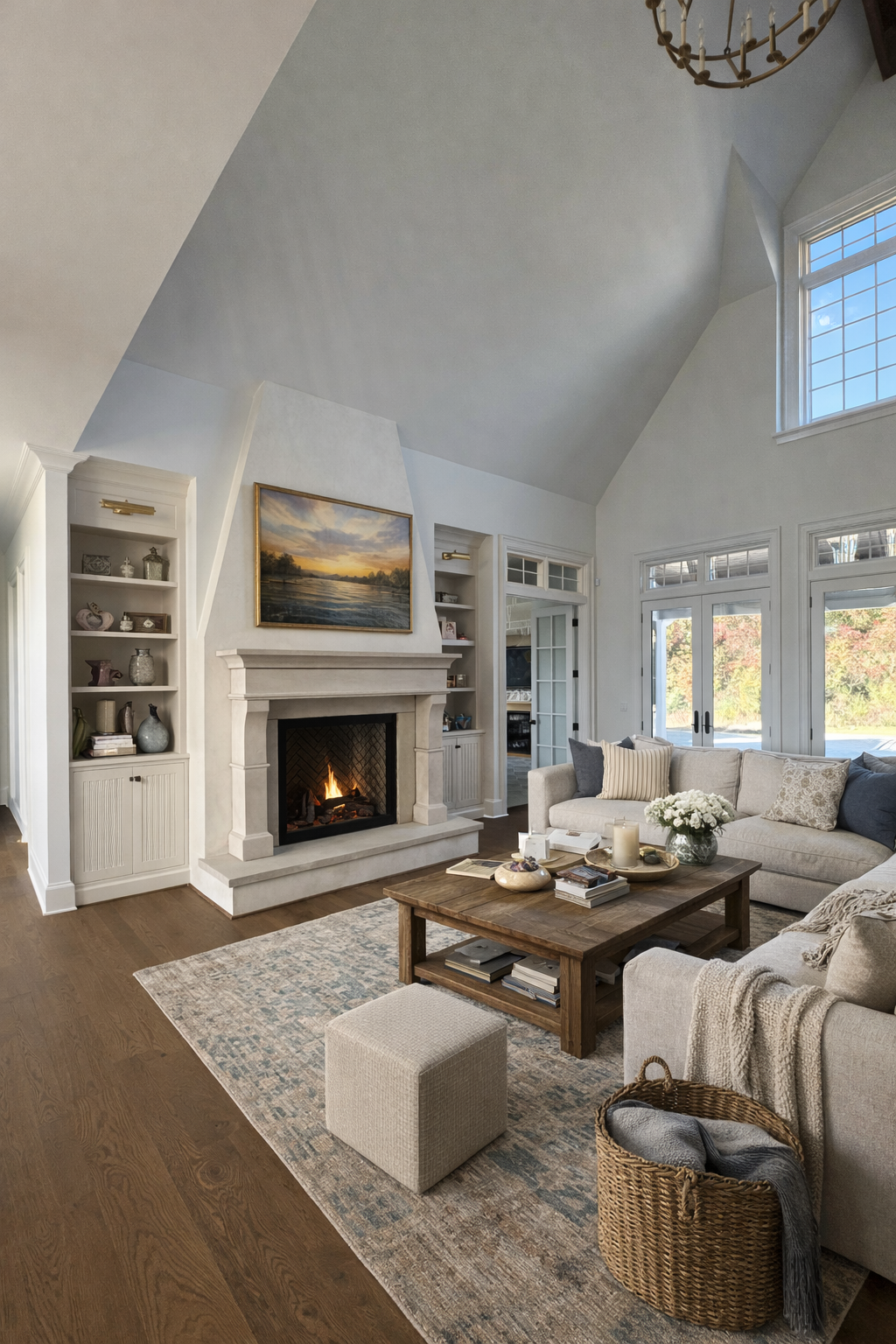
Convenience and Ease of Use: Gas fireplaces offer unmatched convenience. With just a flip of a switch or press of a button, you can instantly enjoy the warmth and glow of a fire. There's no need to handle logs, kindling, or deal with ash cleanup.
Clean and Low Maintenance: Gas fireplaces produce minimal ash and don't create the mess associated with wood-burning alternatives. They are low maintenance, with no need for chimney cleaning or constant monitoring.
Consistent Heat Output: Gas fireplaces provide a consistent heat output, allowing for precise control over temperature settings. They are efficient in heating a room and are a reliable source of warmth.
Design Flexibility: Gas fireplaces offer design flexibility, allowing for various styles, sizes, and installation options. They can be easily integrated into modern or traditional settings, offering versatility in home design.
Cons:
Dependency on Gas Supply: Gas fireplaces are dependent on a natural gas or propane supply. If there is a disruption in the gas service, you may lose access to your fireplace. This dependency can be a drawback in certain situations.
Less Authentic Ambiance: Some argue that gas fireplaces lack the authentic ambiance and crackling sounds associated with wood-burning fires. While gas logs have improved in mimicking a natural flame, some homeowners prefer the real thing.
Wood-Burning Fireplaces:
Pros:
Ambiance and Aesthetics: Wood-burning fireplaces create a cozy and authentic ambiance. The crackling sounds and the sight of burning logs contribute to a traditional and rustic atmosphere that many homeowners find charming.
Independence from Utilities: Wood-burning fireplaces operate independently of utility services. Even during power outages, you can enjoy the warmth of a fire, making them a reliable heat source in emergencies.
Natural Fragrance: The scent of burning wood adds a natural fragrance to your home, enhancing the overall sensory experience. This aroma is often associated with comfort and relaxation.
Cons:
Maintenance and Cleanup: Wood-burning fireplaces require regular maintenance, including chimney cleaning, ash removal, and log storage. The cleanup process can be more involved compared to gas fireplaces.
Inconsistent Heat Output: The heat output of wood-burning fireplaces can be less consistent than gas alternatives. Controlling the temperature may require adjusting the size and arrangement of logs.
Environmental Impact: Burning wood contributes to air pollution and has environmental implications. In areas with strict air quality regulations, wood-burning fireplaces may face restrictions.
A lot of homeowners select the best of both worlds by installing a wood-burning option with a ceramic log set, combining the charm of a traditional fireplace with the convenience of gas, striking a perfect balance between authenticity and ease of use.
Choosing between gas and wood-burning fireplaces ultimately depends on your lifestyle, preferences, and priorities. Gas fireplaces offer convenience and low maintenance, while wood-burning fireplaces provide a classic ambiance and independence from utility services. Consider your heating needs, aesthetic preferences, and commitment to maintenance when making this crucial decision for your new home.