


2025 Design & Lifestyle Trends for Luxury Lake and Vacation Homes
From coastal-Midwest elegance to indoor-outdoor living, discover the top luxury lake home design trends shaping 2025. See how to create a timeless retreat you’ll love year-round.
2025 Design & Lifestyle Trends for Luxury Lake and Vacation Homes
Lake and vacation homes have always offered a unique sense of escape—but in 2025, they’re becoming more purposeful, more personalized, and more connected to natural surroundings. Families aren’t just building a second home; they’re creating a retreat that supports the way they want to live.
At Mark Scott Homes, we design and build luxury lake homes throughout Southwest Michigan and Northern Indiana—and while national trends offer inspiration, we believe the best homes are those tailored to the Great Lakes lifestyle.
Below, we’re sharing seven of the most meaningful 2025 trends for luxury lake and vacation homes, along with how they translate to lakefront living in our region.
1) Elevated Indoor–Outdoor Living
Lake living is all about enjoying the view, the breeze, and the connection to nature. In 2025, homeowners are taking this further by designing spaces that erase the line between inside and out.
Key elements we’re seeing:
Four-season rooms with retractable glass walls
Covered outdoor patios with heating for year-round use
Outdoor kitchens designed as true “second kitchens”
Seamless flooring transitions to extend sightlines
Local Insight: With the varied Midwest seasons, four-season rooms and heated patios are especially valuable—they extend lake enjoyment beyond summer months.
2) Calm, Natural, and Regionally Inspired Design
While coastal blues and whites will always have a place in lake homes, 2025 is embracing a more natural, organic design palette that reflects the surrounding environment.
Design features include:
Natural wood tones and light-stained oak
Neutral, warm earth-based palettes
Textured finishes and handcrafted elements
Stone, limewash, and natural fiber materials
Local Insight: Great Lakes-inspired design blends beautifully with the wooded dunes, sandy shorelines, and freshwater landscape of Southwest Michigan and Northern Indiana.
3) Spa-Like Retreat Spaces
People don’t want to visit a spa—they want to live like they’re in one. Luxury lake homes are prioritizing relaxation spaces that feel like boutique wellness resorts.
Features we’re seeing:
Steam showers, infrared saunas, and soaking tubs
Heated floors and towel warmers
Dedicated wellness rooms for yoga, stretching, or meditation
Local Insight: Wellness rooms are becoming just as common as home gyms, especially for those using their second home to decompress from city life.
| Trend | What It Means for Homeowners | How It Shows Up in Luxury Lake Homes | Why It Matters Long-Term |
|---|---|---|---|
| Elevated Coastal Midwest Elegance | A timeless, relaxed-luxury aesthetic—Nantucket meets Lake Michigan | Soft neutrals, natural wood, stone, and refined yet understated finishes | Remains elegant for decades — avoids trend fatigue |
| Indoor-Outdoor Living Integration | Comfortable, seamless living inside and out | Multi-panel doors, covered patios, outdoor kitchens, fire features | Expands living space and increases resale value |
| Multi-Season Lake Living | Homes built to enjoy year-round, not just in summer | Heated patios, 4-season rooms, upgraded insulation, fireplaces | Improves comfort and rental/investment potential |
| Smart, Low-Maintenance Luxury | Tech + materials that simplify second-home ownership | Durable finishes, remote monitoring, low-maintenance landscaping | Reduces upkeep and worry when away |
| Multi-Gen & Flexible Use Spaces | Spaces that adapt to guests, family, work, or rental needs | Bunk rooms, convertible offices, private suites | Maximizes usability for changing lifestyles |
| Wellness & Retreat-Inspired Living | Homes that promote rest, health, and connection | Spa baths, saunas, cozy nooks, natural light, calm palettes | Supports mental & physical wellbeing |
| Thoughtful Storage & “Arrival” Spaces | Designed organization that supports lake life | Gear storage, drop zones, towel/boat storage, mudrooms | Keeps the home tidy, functional & guest-friendly |
4) Multi-Generational & Flexible Living Spaces
Lake homes are increasingly designed for hosting extended family and friends. Spaces must adapt to guests of all ages—with privacy and comfort in mind.
Top requests include:
Main-level suites for aging parents or grandparents
Bunk rooms for kids and teens (with built-in charging, please!)
Flexible spaces that convert from guest room → office → hobby space
Local Insight: Many Chicago-based families are building second homes here specifically to bring generations together for holidays, summers, and weekend stays.
5) Smart Storage Designed for Lake Life
Storage is becoming smarter, not bigger. The goal is to maximize function—especially around lakes, where activities change with the seasons.
Smart Storage Ideas:
Lakeside entry “drop zones” with hooks, cubbies, and durable flooring
Seasonal storage for boating, beach gear, winterwear, and sports items
Built-in garage organization and utility sinks
Hidden storage integrated into custom cabinetry and furniture
Local Insight: Sand-friendly, water-resistant finishes in mudrooms are not just nice to have—they’re essential for Lake Michigan living.
6) Multi-Sensory Lighting & Atmosphere
Lighting is no longer just functional—it's experiential. In 2025, homeowners are layering various types of lighting to shape mood, comfort, and visual warmth.
Design upgrades include:
Layered lighting plans (ambient, accent, and task lighting)
Warm color temperature lighting that shifts throughout the day
Architectural lighting—cove, toe-kick, under-shelf, and landscape
Local Insight: Soft, warm lighting enhances the natural calm of lake environments and brings depth to evening lake views.
7) Designing for Year-Round Enjoyment
More families want their lake home to function as a true four-season retreat—not just a summer destination.
Four-season upgrades include:
High-efficiency HVAC systems with zoned controls
Heated garages and insulated bonus spaces
Low-maintenance exterior materials that withstand Midwest winters
Fireplaces inside and out for seasonal ambiance
Local Insight: We are seeing more clients winterize spaces traditionally used only in summer—like screened porches—so they remain usable 365 days a year.
Final Thought
Luxury lake and vacation homes in 2025 are rooted in intentional living—connecting with nature, creating meaningful experiences, and designing spaces that support rest, recreation, and relationships.
Whether you’re dreaming of a modern lakehouse retreat or a timeless multi-generational home, Mark Scott Homes can help you bring your vision to life with thoughtful design, regional expertise, and quality craftsmanship from foundation to finish.
When you’re ready to explore your ideas, we’d be happy to guide your next steps.
FOLLOW US ON SOCIAL



The Hidden Cost of Poor Selections Planning (and How to Avoid It)
Choosing materials and finishes for your new home should be exciting — not overwhelming. Here’s how smart selections planning saves money, time, and sanity during your custom build.
Selections Can Make or Break the Build
The selections process — choosing everything from flooring to faucets — is one of the most exciting parts of building a home. It’s also where projects can quickly lose time, budget, and momentum.
At Mark Scott Homes, we’ve seen it all: homeowners falling in love with items on backorder, making last-minute changes that delay trades, or facing budget creep from unclear allowances. The truth is, poor selections planning doesn’t just cause frustration — it costs real money.
What “Selections Planning” Really Means
Selections planning isn’t just about picking pretty things. It’s a strategic process that ensures every design decision supports your vision, your timeline, and your budget.
That means:
Setting clear allowances up front
Establishing deadlines for each category (plumbing, lighting, cabinetry, flooring, etc.)
Coordinating lead times with suppliers
Documenting every selection for smooth communication with trades
Our selections coordinator keeps all of that organized — so you don’t have to play phone tag with vendors or guess what’s been ordered.
The Hidden Costs of Getting It Wrong
When selections are rushed or uncoordinated, small issues quickly snowball.
Here’s what that looks like in the field:
💸 Budget Overruns
Changing materials late in the game often triggers new labor, restocking fees, and schedule disruptions. What started as a $500 change can ripple into thousands.
🕓 Schedule Delays
A single missing light fixture or tile delay can stall entire trades. Multiply that across a build, and you’ve got weeks of lost progress.
😬 Compromised Quality
Rushed selections lead to “good enough” substitutions instead of the finishes you really wanted. The result? A home that feels almost right instead of exactly right.
💭 Decision Fatigue
When too many choices pile up at once, homeowners get overwhelmed — leading to second-guessing and stress instead of excitement.
How Mark Scott Homes Keeps Selections Simple
Our process is designed to make selections enjoyable, efficient, and completely transparent.
🗓️ Structured Phases
We divide selections into manageable categories — exterior, mechanical, interior, and final details — so decisions happen in logical order.
💬 Dedicated Guidance
Our designer and project team walk you through each choice, offering curated options that match your style, function, and budget.
📋 Clear Documentation
Every selection is tracked in one place and approved by you before ordering. No surprises, no “I thought we picked that already.”
⏱️ Built-In Contingency
We help homeowners anticipate upgrades they may fall in love with — and budget for flexibility from the start. It keeps projects realistic and rewarding.
Selections Planning = Sanity + Savings
Homeowners often think selections are just about finishes, but they’re actually about strategy. A well-planned selections process keeps the entire build moving smoothly — avoiding unnecessary costs, stress, and compromises.
At Mark Scott Homes, we turn what could be a chaotic process into one of the most enjoyable parts of your journey. Because your home should reflect your taste — not your tolerance for chaos.
Ready to build a custom home with clarity and confidence? Let’s walk you through our selections process — designed to save time, protect your investment, and bring your dream home to life beautifully.
FOLLOW US ON SOCIAL
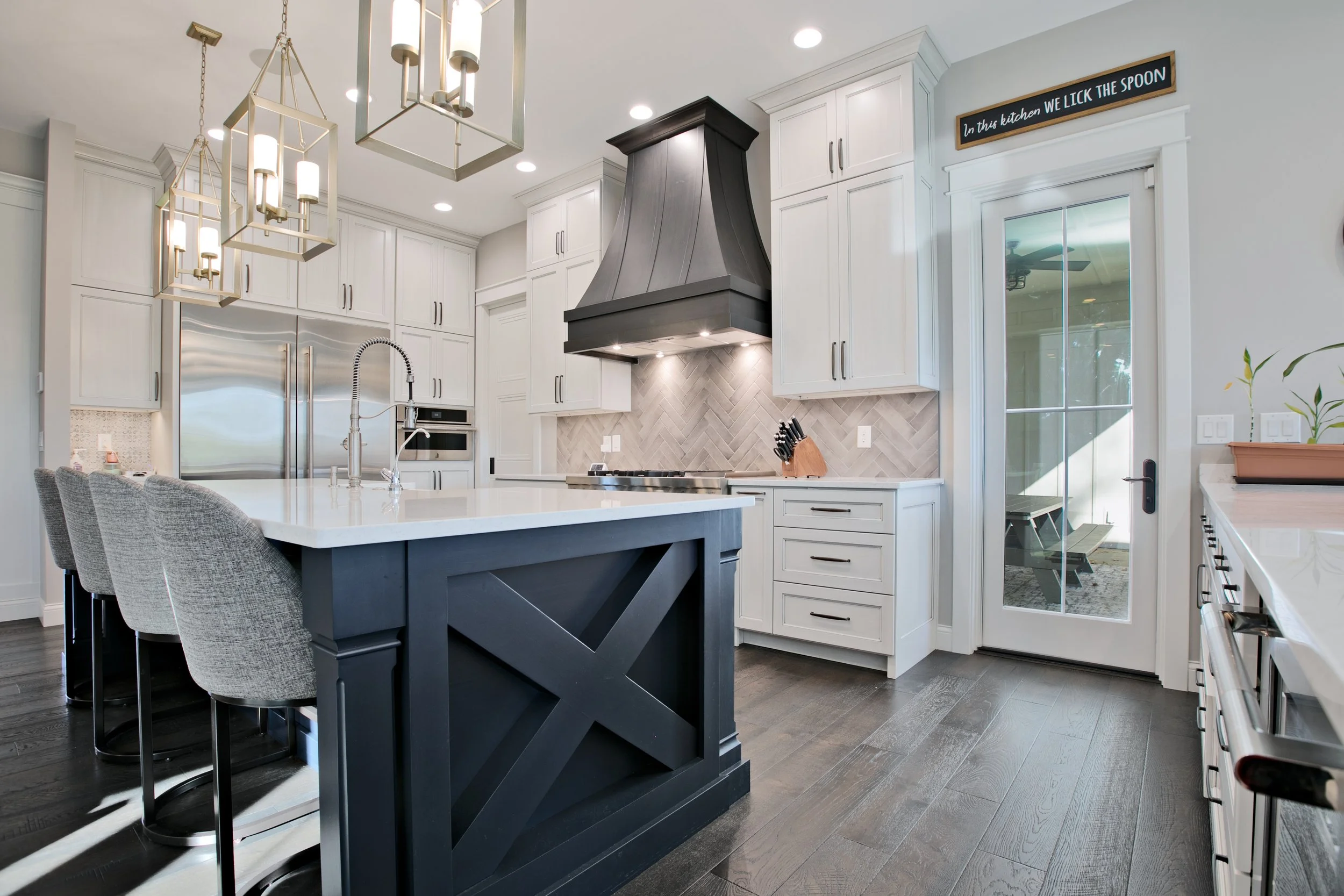
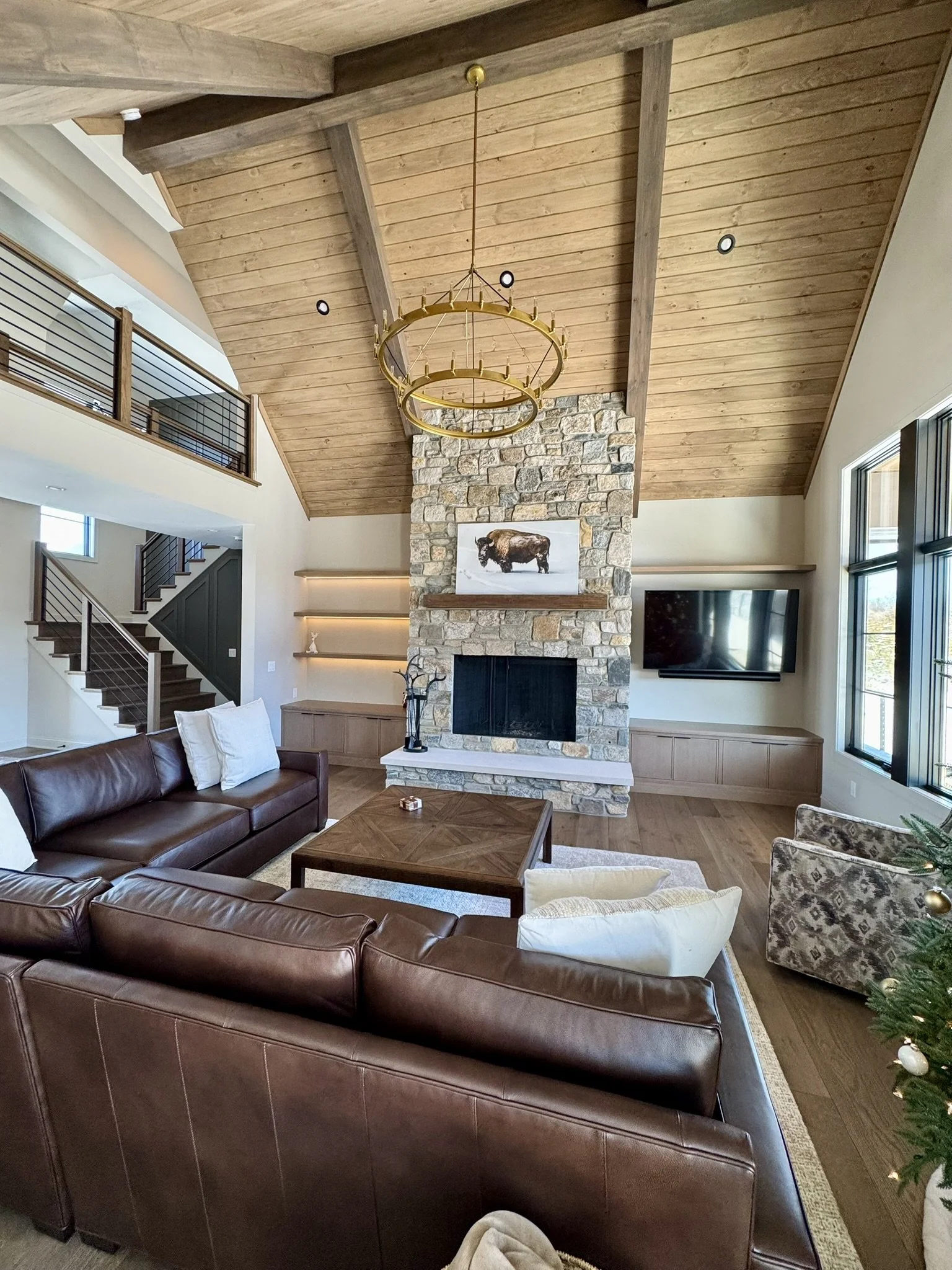
Top 5 Custom Home Trends for 2025
As we step into 2025, luxury home design is evolving to combine innovation, sustainability, and personal expression. From AI-powered smart homes to resort-style outdoor living, today’s homeowners are seeking cutting-edge features that enhance both aesthetics and functionality. In this blog, we explore the top five luxury home trends shaping the future of custom living. Whether you’re planning to build or renovate, these design innovations will elevate your home and lifestyle. Discover how Mark Scott Homes can bring your vision to life.
The Future of Luxury Living:
As we enter 2025, luxury home design is reaching new heights, blending innovation, sustainability, and personal expression to create truly exceptional living spaces. Today’s homeowners want more than just aesthetic appeal—they seek functional, high-tech, and environmentally conscious designs that enhance their lifestyles. Here are the top five trends shaping luxury custom homes in 2025:
1. Sustainable Luxury: Eco-Friendly Meets Elegance
Sustainability is no longer just a trend—it’s an expectation. Modern luxury homes integrate eco-conscious solutions while maintaining the elegance and sophistication expected at the highest level of design. Key features include:
Net-Zero Homes – Residences that generate as much energy as they consume, utilizing solar panels, geothermal heating, and battery storage systems.
Sustainable Materials – High-end finishes such as carbon-negative concrete, reclaimed wood, and cork flooring provide durability and style while reducing environmental impact.
Smart Landscaping – Thoughtfully designed outdoor spaces featuring native plants, rainwater harvesting systems, and AI-driven irrigation to minimize water waste and enhance curb appeal.
2. AI-Powered Smart Homes: The Future of Convenience
Luxury living is becoming more intuitive with AI-driven technology creating homes that adjust seamlessly to their owners’ lifestyles. Key innovations include:
AI-Integrated Home Assistants – Systems that learn and adapt to daily routines, optimizing lighting, climate control, and energy efficiency.
Predictive Maintenance Sensors – Smart home technology that detects and prevents maintenance issues before they become costly repairs.
Immersive Media & Entertainment Rooms – Cutting-edge AV setups that deliver a cinematic experience in the comfort of your own home.
3. High-End Kitchen Innovations: A Culinary Experience
In 2025, luxury kitchens are more than just a place to cook—they’re designed for an immersive and interactive experience that blends aesthetics with technology. Key elements include:
Hidden Kitchens – Sleek, minimalist spaces where appliances and storage seamlessly blend into custom cabinetry.
Smart & Interactive Appliances – AI-powered ovens and refrigerators that offer personalized recipe recommendations and grocery tracking.
Statement Lighting & Sculptural Islands – Bold, artistic elements that make the kitchen a focal point of the home.
4. Resort-Style Outdoor Living: Expanding the Home Beyond Four Walls
Luxury outdoor spaces are transforming into all-season retreats that rival the world’s top resorts. Homeowners are prioritizing comfort, entertainment, and wellness with features like:
Luxury Pools & Fire Features – Stunning architectural designs that blend water and flame for a breathtaking ambiance.
Climate-Controlled Patios – Outdoor spaces equipped with retractable screens, and heating elements for year-round comfort.
Outdoor Wellness Retreats – Private yoga decks, cold plunge pools, and meditation gardens that offer a sanctuary of relaxation.
5. Wellness-Focused Interiors: Elevating Everyday Living
Luxury home design is increasingly centered on health and well-being, creating spaces that promote relaxation and rejuvenation. Essential elements include:
Biophilic Design – Natural materials, indoor greenery, and ample natural light to create a seamless connection with the outdoors.
Quiet Luxury Elements – Soundproof meditation rooms, ergonomic furniture, and spa-inspired bathrooms designed for ultimate relaxation.
Advanced Air & Water Filtration – Cutting-edge purification systems ensuring superior indoor air and water quality for a healthier lifestyle.
Transform Your Home with Mark Scott Homes
The future of luxury living is here, and at Mark Scott Homes, we specialize in bringing these trends to life with expert craftsmanship, innovative design, and an unwavering commitment to quality. Whether you’re looking to build a custom dream home or renovate an existing space, our team is here to help you create a home that blends cutting-edge technology, sustainability, and timeless design.
Ready to start your custom home journey? Contact us today to schedule a consultation and let’s build something extraordinary together.

Top Design Trends for New Homes in 2024
As we near the end of 2024, new home design trends reflect an exciting shift towards a balance of modern innovation and timeless comfort. Homeowners are looking for spaces that cater to evolving lifestyles, embrace sustainability, and offer personalized functionality. If you’re considering building a new home this year, here are the top design trends that can inspire your vision and help you stay ahead of the curve.
As we near the end of 2024, new home design trends reflect an exciting shift towards a balance of modern innovation and timeless comfort. Homeowners are looking for spaces that cater to evolving lifestyles, embrace sustainability, and offer personalized functionality. If you’re considering building a new home this year, here are the top design trends that can inspire your vision and help you stay ahead of the curve.
1. Sustainability Takes Center Stage
Eco-friendly materials and energy-efficient designs continue to be at the forefront of homebuilding. More homeowners are choosing sustainable options like solar panels, energy-efficient windows, and reclaimed or renewable materials such as bamboo, cork, and recycled metal. Insulation improvements and smart home technologies further contribute to reducing energy consumption, appealing to eco-conscious buyers looking to lessen their environmental footprint.
Key Features:
Solar-powered homes
Water-saving fixtures
Recycled and renewable building materials
2. Biophilic Design: Bringing Nature Indoors
Biophilic design, which focuses on integrating nature into the home, is gaining momentum. Large windows that let in ample natural light, indoor plants, and the use of natural materials like stone, wood, and greenery create a connection to the outdoors. This trend promotes well-being by boosting mental health and creating a calming, peaceful environment.
Key Features:
Indoor greenery walls or plant corners
Natural materials like wood and stone
Expansive windows with views of outdoor spaces
3. Multi-Functional Spaces
With more families working and studying from home, the demand for multi-functional spaces has surged. Homeowners want rooms that can easily transition from home office to gym, or from a cozy den to a guest bedroom. Flexibility is key, and open floor plans that allow customization for different uses have become increasingly popular.
Key Features:
Flexible layouts for office, gym, or studio space
Rooms with adaptable, modular furniture
Open-concept living areas that flow into outdoor spaces
4. Smart Home Technology Integration
Smart homes are no longer a futuristic concept but a mainstream reality. In 2024, integrating technology seamlessly into daily life is a priority for homeowners. Voice-activated systems, smart lighting, and advanced security features like facial recognition and video doorbells are must-haves. Smart kitchens equipped with appliances that you can control via your smartphone are also growing in popularity.
Key Features:
Voice-activated home automation systems
Smart lighting and thermostat controls
Advanced security systems integrated with AI
5. Minimalist and Scandinavian Influences
Simplicity and functionality define the minimalist trend, with Scandinavian-inspired interiors continuing to capture the imagination of homeowners. Clean lines, neutral color palettes, and uncluttered spaces create a sense of calm and order. Light woods, cozy textures, and a less-is-more aesthetic allow homeowners to make their spaces feel more open and inviting.
Key Features:
Neutral color schemes with warm accents
Light wood tones and minimalistic furniture
Textured fabrics like wool and linen for comfort
6. Bold Colors and Personal Expression
While minimalism remains a dominant trend, bold colors are making a comeback in accent walls, cabinetry, and décor. Homeowners are using color to express their personalities and add vibrancy to their homes. Rich jewel tones like emerald green, navy blue, and deep reds are increasingly seen in living spaces, along with earthier hues that provide warmth.
Key Features:
Bold accent walls in living rooms or bedrooms
Vibrant cabinetry or furniture pieces
Jewel tones paired with natural textures
7. Outdoor Living Spaces
As homeowners continue to prioritize outdoor spaces, designing patios, decks, and gardens that extend the livable area of the home has become a key focus. Outdoor kitchens, fire pits, and comfortable lounge areas are making backyards more functional year-round. Retractable glass walls that blend indoor and outdoor spaces are also gaining popularity for their ability to bring fresh air and light into the home.
Key Features:
Outdoor kitchens and dining areas
Comfortable lounge seating and fire pits
Retractable glass walls or sliding doors
8. Wellness-Focused Design
Homeowners are looking for ways to create sanctuaries within their homes that promote wellness. Spa-like bathrooms with soaking tubs, steam showers, and heated floors offer a retreat from the outside world. Home gyms, yoga studios, and meditation rooms are also becoming more common, catering to a health-conscious mindset.
Key Features:
Spa-inspired bathrooms with luxurious features
Home gyms or yoga studios
Indoor air quality systems for healthier living
9. Vintage and Retro Aesthetics
A touch of nostalgia has found its way into 2024 home design. Vintage and retro styles from the 70s and 80s are being revived, but with a modern twist. Statement lighting fixtures, mid-century furniture, and vintage décor pieces are being incorporated into homes, blending old-world charm with contemporary flair.
Key Features:
Mid-century modern furniture
Statement vintage lighting
Retro-inspired color palettes and patterns
10. Maximizing Small Spaces
Tiny homes and efficient use of space continue to gain traction, particularly as urban living becomes denser. Clever storage solutions, built-in furniture, and space-saving designs are critical for making small spaces functional without sacrificing style. Even in larger homes, maximizing space with well-thought-out designs is becoming a priority.
Key Features:
Built-in storage solutions
Murphy beds and foldable furniture
Smart kitchen designs for compact spaces
Conclusion
2024 is shaping up to be an exciting year for new home designs, with a focus on sustainability, wellness, and versatility. Whether you’re planning a new build or renovating an existing space, these trends will help you create a home that meets your needs while staying stylish and ahead of the curve. At Mark Scott Homes, we’re excited to bring these cutting-edge design trends to life, delivering custom homes that blend innovation with timeless quality.
Interested in building your dream home? Contact us at Mark Scott Homes to explore how we can bring these trends to your next project.
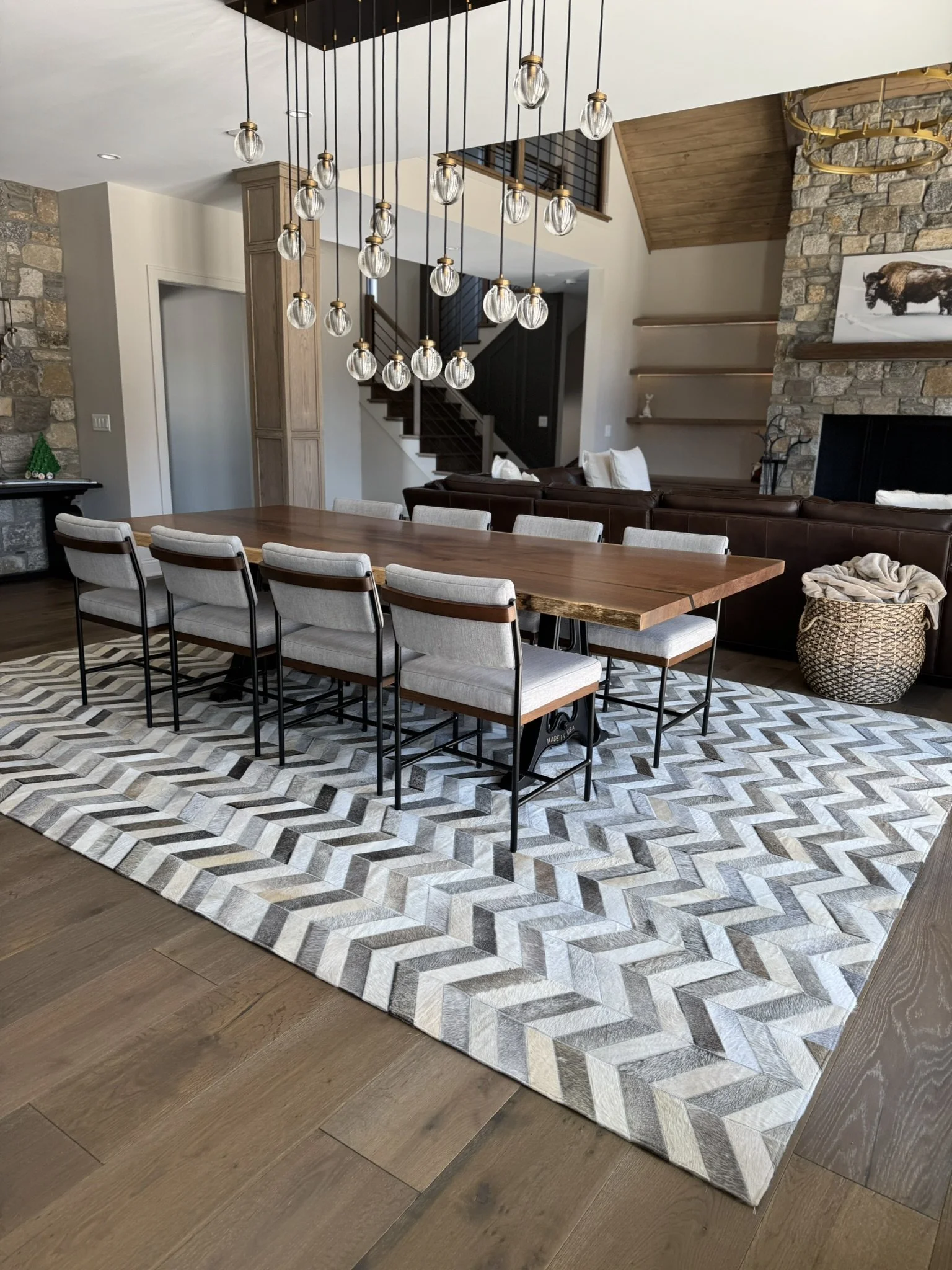
What is a Barndominium?
If you’ve been exploring custom home options, you may have come across the term barndominium. While the name might sound a little unusual, barndominiums—often called barndos—are gaining popularity as a stylish, cost-effective, and flexible way to build a home. So, what exactly is a barndominium, and why are so many people choosing to build them? Let’s dive into this unique housing trend.
What is a Barndominium?
A barndominium is essentially a barn that has been transformed into a residential home, or a new structure designed to look like a barn but built as a fully functional living space. Traditionally, barns were used for agricultural purposes, but modern barndominiums offer a fusion of rustic charm and contemporary comforts.
These homes typically feature an open-concept floor plan, large living areas, and plenty of space for customization. What sets barndominiums apart from traditional homes is their barn-like structure, which often includes high ceilings, metal siding, and exposed beams—giving them a unique industrial and rustic aesthetic.
Key Features of a Barndominium
Open Floor Plans
One of the standout features of a barndominium is its open-concept design. With fewer interior walls, these homes provide large, versatile spaces perfect for families who value flexibility and room to entertain.High Ceilings and Large Windows
Barndominiums often feature vaulted ceilings and large windows, allowing for plenty of natural light and a spacious, airy feel. The combination of these features makes the home feel even larger than it is, adding to the charm of the design.Durable, Low-Maintenance Exterior
Most barndominiums are constructed with metal exteriors, which makes them incredibly durable and low-maintenance. Metal siding and roofing can withstand harsh weather conditions, making a barndominium a great option in areas with extreme climates.Customizable Interior Spaces
Despite their rustic exterior, barndominiums can be customized to include all the modern amenities you’d expect in a high-end home. From luxurious kitchens and spa-like bathrooms to smart home technology and energy-efficient systems, a barndominium can be designed to meet your specific needs and preferences.Multi-Use Spaces
Barndominiums often include large, multifunctional spaces, which can be used for workshops, garages, or even as space for a home-based business. Some homeowners combine their living quarters with large open areas for hobbies, storage, or recreational activities.
Why Are Barndominiums Becoming Popular?
Barndominiums have gained popularity for several reasons, appealing to those seeking a unique, flexible, and often more affordable way to build a custom home.
Cost-Effectiveness
In many cases, building a barndominium can be more affordable than constructing a traditional home. The use of metal building materials can reduce costs, and the open-concept design requires fewer interior finishes and walls, saving on labor and materials.Quick Build Time
Barndominiums tend to have faster build times compared to traditional homes. Their simplified structure and prefabricated materials can significantly cut down on construction time, allowing homeowners to move in sooner.Energy Efficiency
The metal construction of a barndominium can offer better insulation and energy efficiency when properly designed. Paired with energy-efficient windows, doors, and HVAC systems, these homes can help homeowners save on utility bills in the long run.Unique Aesthetic
The blend of modern amenities and rustic charm appeals to homeowners looking for something different. The barn-like exterior combined with the flexibility of interior design allows for a unique living space that stands out from traditional homes.Versatility
Barndominiums are highly versatile, making them a great option for families, empty nesters, or individuals seeking a multi-use space. Whether you want a home with a built-in workshop, extra storage, or a large area for hobbies and gatherings, a barndominium offers the flexibility to meet your lifestyle needs.
Are Barndominiums Right for You?
Barndominiums are a perfect choice for homeowners who want something a little out of the ordinary. They’re ideal for those who appreciate the blend of rustic style and modern living, need large, open spaces, and prefer a low-maintenance home. They’re also well-suited for rural or semi-rural areas where a barn-inspired design fits naturally into the landscape.
Building a Barndominium with Mark Scott Homes
At Mark Scott Homes, we specialize in custom home projects that fit your lifestyle and vision. Whether you’re dreaming of a traditional home or a one-of-a-kind barndominium, our team is here to guide you through the entire process—from initial design to completion. We pride ourselves on delivering homes that are not only beautiful but also built to last.
If you’re considering building a barndominium, contact us today. We’d love to discuss how we can turn your dream home into reality.

How to Save Costs When Building a New Home
Building a new home is an exciting journey, but managing costs effectively is crucial to ensure you stay within your budget without compromising on quality. One of the best ways to keep costs under control is to focus on efficiencies that offer long-term value. Whether it's through energy savings, smart design choices, or material selection, here are some key cost efficiencies to consider when building your new home.
Building a new home is an exciting journey, but managing costs effectively is crucial to ensure you stay within your budget without compromising on quality. One of the best ways to keep costs under control is to focus on efficiencies that offer long-term value. Whether it's through energy savings, smart design choices, or material selection, here are some key cost efficiencies to consider when building your new home.
1. Energy-Efficient Design
Incorporating energy-efficient design from the start will not only reduce your carbon footprint but also save you money on utility bills over time. Key considerations include:
High-quality insulation: A well-insulated home reduces heating and cooling costs, keeping your energy bills low.
Energy-efficient windows: Choose windows with low-E coatings and double or triple panes to minimize energy loss.
LED lighting: Energy-saving LED lights last longer and use less power than traditional bulbs, lowering your electricity costs.
Energy-efficient appliances: Opt for ENERGY STAR-certified appliances to reduce energy consumption and long-term utility costs.
2. Smart Home Technology
Smart home technology is not just about convenience—it can also lead to significant cost savings. Consider installing:
Smart thermostats: These allow you to optimize heating and cooling remotely, reducing unnecessary energy use.
Lighting automation: Timers and motion sensors ensure that lights are only on when needed, cutting down on electricity usage.
3. Modular or Prefabricated Components
Using modular or prefabricated elements can streamline the building process and reduce labor costs. Prefabricated components, such as walls or roof trusses, are made off-site, ensuring precision and minimizing waste during construction. This efficiency can lead to faster build times and lower overall costs.
4. Simplified Architectural Design
A simple, thoughtful architectural design can lead to significant savings without sacrificing style. Here’s how:
Straightforward floor plans: Reducing the number of corners, curves, and complex rooflines can help lower construction costs.
Standardized windows and doors: Using standard-sized windows and doors is more affordable than opting for custom sizes.
Multiple floors: By building up, or utilizing the basement for living space maximizes overall costs vs. a single story home.
5. Durable, Low-Maintenance Materials
Opting for durable and low-maintenance materials might have a higher upfront cost, but they’ll save you money in the long run by reducing the need for repairs and replacements. Consider:
Fiber cement siding: A durable, fire-resistant material that requires less maintenance than wood siding.
Metal roofing: Though more expensive initially, metal roofs last longer and require less upkeep compared to traditional asphalt shingles.
Composite decking: For outdoor spaces, composite materials outlast wood, requiring less maintenance and fewer repairs.
6. Efficient Use of Space
Maximizing the space in your home without unnecessary expansions can save money while enhancing functionality:
Open floor plans: Open layouts reduce the need for excess walls and create a more spacious, connected feel.
Multi-functional rooms: Designing rooms that serve multiple purposes (e.g., a home office that doubles as a guest room) helps you get more use out of your square footage.
7. Optimized Building Site
The way your home is positioned on its lot can have a big impact on both initial costs and long-term savings:
Maximizing natural light: Strategically placing windows to capture natural light reduces the need for artificial lighting and heating.
Site grading: Minimizing the amount of earth-moving and grading required can cut costs significantly.
8. Water-Saving Fixtures and Systems
Water-efficient fixtures not only help the environment but can also reduce water bills:
Low-flow faucets and showerheads: These reduce water usage while maintaining performance.
Dual-flush toilets: These use less water for liquid waste, reducing overall water consumption.
Rainwater collection systems: In certain areas, rainwater collection can be used for landscaping or non-potable water needs, lowering your water usage.
9. Minimalist Finishes and Materials
In some areas of the home, opting for minimalist or simple finishes can be a cost-effective way to achieve style without overspending:
Polished concrete floors: These are durable, modern, and less expensive than hardwood or tile flooring options.
Open shelving in kitchens: Open shelving is a stylish and budget-friendly alternative to full cabinetry.
10. Thoughtful Landscaping
Landscaping can be an ongoing expense, but choosing low-maintenance, drought-resistant plants and hardscaping features such as gravel or stone pathways can reduce the need for frequent upkeep and excessive watering, keeping costs down in the long run.
11. Efficient Construction Management
A well-managed construction timeline is key to cost efficiency. An experienced builder who communicates clearly and plans proactively can avoid costly delays, reduce labor expenses, and minimize material waste. Clear communication between you and your builder can also help avoid misunderstandings that could lead to expensive rework.
Cost efficiencies during the construction of your new home are all about making smart, long-term decisions. By focusing on energy efficiency, durable materials, thoughtful design, and experienced construction management, you can build a home that not only meets your needs today but saves you money over time. At Mark Scott Homes, we specialize in guiding homeowners through these decisions, ensuring your home is both beautiful and cost-efficient. Reach out today to start building your dream home with us!

Gas vs. Wood-Burning - Weighing the Pros and Cons for Fireplace Selection
Building your dream home comes with a myriad of decisions, and one choice that can significantly impact your home's ambiance and functionality is the type of fireplace you install. The debate between gas and wood-burning fireplaces is a common dilemma for homeowners. In this blog post, we'll explore the pros and cons of each, helping you make an informed decision that aligns with your lifestyle and preferences.
Building your dream home comes with a myriad of decisions, and one choice that can significantly impact your home's ambiance and functionality is the type of fireplace you install. The debate between gas and wood-burning fireplaces is a common dilemma for homeowners. In this blog post, we'll explore the pros and cons of each, helping you make an informed decision that aligns with your lifestyle and preferences.
Gas Fireplaces:
Pros:
Convenience and Ease of Use: Gas fireplaces offer unmatched convenience. With just a flip of a switch or press of a button, you can instantly enjoy the warmth and glow of a fire. There's no need to handle logs, kindling, or deal with ash cleanup.
Clean and Low Maintenance: Gas fireplaces produce minimal ash and don't create the mess associated with wood-burning alternatives. They are low maintenance, with no need for chimney cleaning or constant monitoring.
Consistent Heat Output: Gas fireplaces provide a consistent heat output, allowing for precise control over temperature settings. They are efficient in heating a room and are a reliable source of warmth.
Design Flexibility: Gas fireplaces offer design flexibility, allowing for various styles, sizes, and installation options. They can be easily integrated into modern or traditional settings, offering versatility in home design.
Cons:
Dependency on Gas Supply: Gas fireplaces are dependent on a natural gas or propane supply. If there is a disruption in the gas service, you may lose access to your fireplace. This dependency can be a drawback in certain situations.
Less Authentic Ambiance: Some argue that gas fireplaces lack the authentic ambiance and crackling sounds associated with wood-burning fires. While gas logs have improved in mimicking a natural flame, some homeowners prefer the real thing.
Wood-Burning Fireplaces:
Pros:
Ambiance and Aesthetics: Wood-burning fireplaces create a cozy and authentic ambiance. The crackling sounds and the sight of burning logs contribute to a traditional and rustic atmosphere that many homeowners find charming.
Independence from Utilities: Wood-burning fireplaces operate independently of utility services. Even during power outages, you can enjoy the warmth of a fire, making them a reliable heat source in emergencies.
Natural Fragrance: The scent of burning wood adds a natural fragrance to your home, enhancing the overall sensory experience. This aroma is often associated with comfort and relaxation.
Cons:
Maintenance and Cleanup: Wood-burning fireplaces require regular maintenance, including chimney cleaning, ash removal, and log storage. The cleanup process can be more involved compared to gas fireplaces.
Inconsistent Heat Output: The heat output of wood-burning fireplaces can be less consistent than gas alternatives. Controlling the temperature may require adjusting the size and arrangement of logs.
Environmental Impact: Burning wood contributes to air pollution and has environmental implications. In areas with strict air quality regulations, wood-burning fireplaces may face restrictions.
A lot of homeowners select the best of both worlds by installing a wood-burning option with a ceramic log set, combining the charm of a traditional fireplace with the convenience of gas, striking a perfect balance between authenticity and ease of use.
Choosing between gas and wood-burning fireplaces ultimately depends on your lifestyle, preferences, and priorities. Gas fireplaces offer convenience and low maintenance, while wood-burning fireplaces provide a classic ambiance and independence from utility services. Consider your heating needs, aesthetic preferences, and commitment to maintenance when making this crucial decision for your new home.
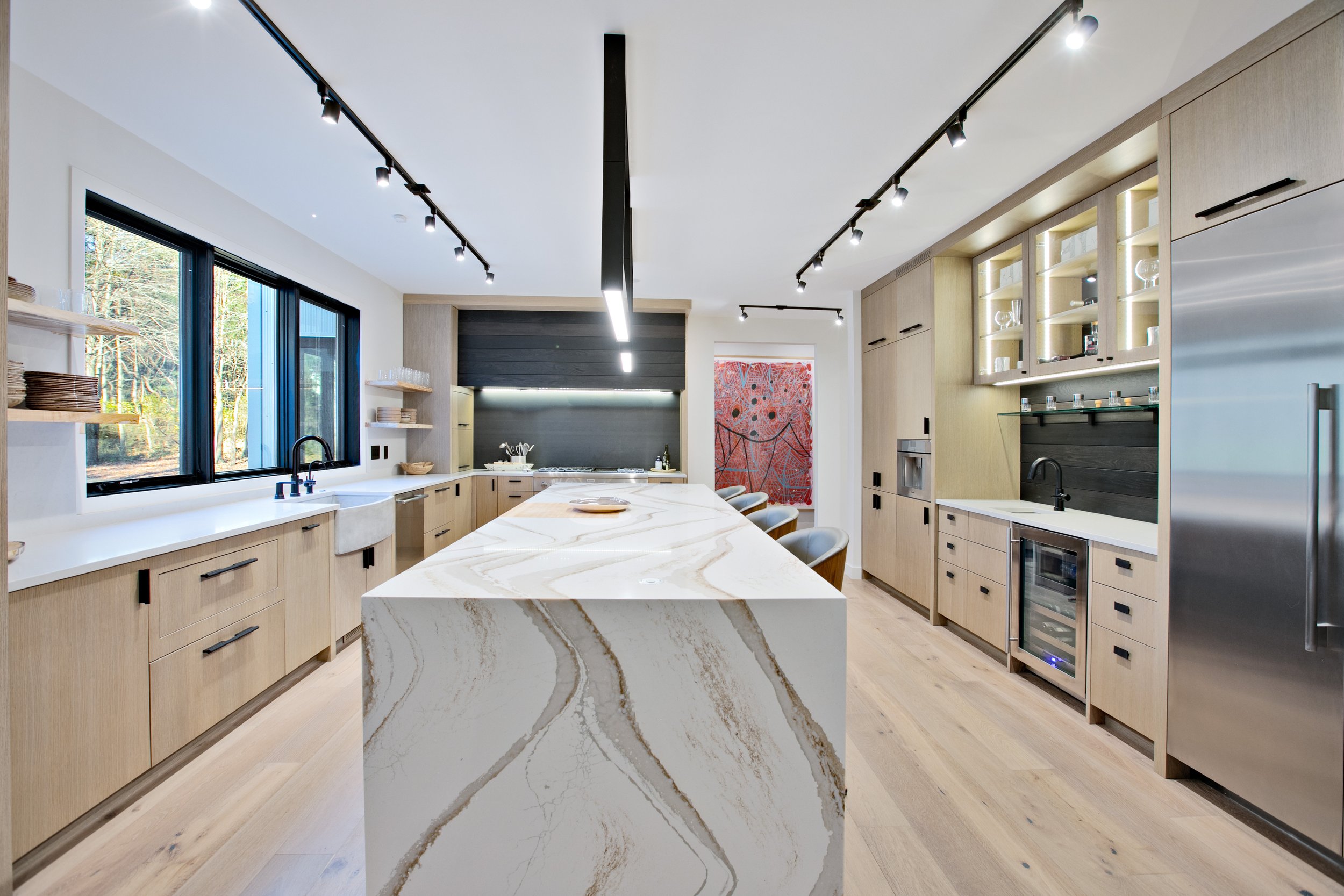
Elevate your living: Trends we've seen in Home Construction this year.
At Mark Scott Homes, we're always at the forefront of cutting-edge custom home construction, and 2023 has brought forth a wave of exciting trends that redefine the concept of modern living. From high-tech conveniences to timeless design elements making a comeback, let's delve into the remarkable features shaping the landscape of custom home building this year.
At Mark Scott Homes, we're always at the forefront of cutting-edge custom home construction, and 2023 has brought forth a wave of exciting trends that redefine the concept of modern living. From high-tech conveniences to timeless design elements making a comeback, let's delve into the remarkable features shaping the landscape of custom home building this year.
1. Home Elevators: Bringing Luxury Upstairs
Elevate your lifestyle—literally. Home elevators have become a sought-after feature, providing not only unparalleled convenience but also an elegant touch to multi-story homes. Imagine effortlessly gliding between floors with just a push of a button—a touch of luxury that transforms the way we navigate our living spaces.
2. Wallpaper Renaissance: Patterns, Textures, and Personality
In a surprising turn, wallpaper has staged a comeback in 2023, reclaiming its role as a powerful design tool. From intricate patterns to subtle textures, wallpaper is no longer confined to outdated notions. It has become a versatile medium for expressing personal style, adding depth, and creating visually stunning focal points in any room.
3. Applied Molding Takes Center Stage
Move over shiplap, and make way for applied molding—a classic design element experiencing a renaissance. This refined architectural feature adds a touch of sophistication to interior spaces. Whether framing doorways, creating statement walls, or adding dimension to ceilings, applied molding is the new go-to for homeowners seeking timeless elegance.
4. Outdoor Oasis: Extending Living Spaces Beyond Four Walls
The allure of outdoor living spaces has reached new heights in 2023. Expansive decks, inviting fire pits, and fully equipped outdoor kitchens have become essential elements in custom home construction. Blurring the lines between indoor and outdoor living, these spaces offer a versatile environment for relaxation, entertainment, and communion with nature.
5. Smart Homes Get Smarter
The integration of smart home technology has become more sophisticated. From AI-driven security systems to voice-activated home controls, and home lighting systems, homeowners are embracing intelligent solutions that enhance convenience and security.
6. Sustainable Living Takes Center Stage
Eco-friendly materials and energy-efficient designs are at the forefront of custom home construction. Homeowners are increasingly prioritizing sustainability, opting for features such as solar panels, recycled materials, and advanced insulation systems.
7. Flex Spaces for Remote Work
With the rise of remote work, flexible spaces have become a must. Home offices, multifunctional rooms, and creative workspaces are designed to accommodate the evolving needs of modern professionals.
8. Wellness-Centric Design
Health and well-being are integral considerations in custom home design. Features such as air purification systems, dedicated fitness spaces, and calming design elements contribute to creating a holistic and nurturing living environment.
At Mark Scott Homes, we pride ourselves on staying ahead of the curve, blending these trends with our commitment to craftsmanship and innovation. Contact us today to explore how we can integrate these exciting features into your custom dream home.
Elevate your living with Mark Scott Homes—where innovation meets timeless design.

Decoding Home Styles
The world of home design is a tapestry of diverse styles, each with its own unique characteristics and influences. From classic elegance to contemporary minimalism, understanding the differences between various home styles can help homeowners make informed decisions when designing or renovating their dream homes. In this blog post, we'll decode nine popular home styles: Traditional, Transitional, Farmhouse, Mediterranean, Modern, Contemporary, Midcentury, Craftsman, and Coastal, to help you discover the one that best suits your tastes and lifestyle.
The world of home design is a tapestry of diverse styles, each with its own unique characteristics and influences. From classic elegance to contemporary minimalism, understanding the differences between various home styles can help homeowners make informed decisions when designing or renovating their dream homes. In this blog post, we'll decode nine popular home styles: Traditional, Transitional, Farmhouse, Mediterranean, Modern, Contemporary, Midcentury, Craftsman, and Coastal, to help you discover the one that best suits your tastes and lifestyle.
Traditional Style
Traditional homes pay homage to timeless architectural elements and classic design. They often feature symmetrical facades, formal living spaces, and rich detailing. Common characteristics include ornate moldings, refined colors, and elegant furnishings. Traditional style homes evoke a sense of comfort and familiarity, combining various design influences from different historical periods.
Transitional Style
Transitional style is a seamless blend of traditional and contemporary design elements. This style embraces clean lines and subtle ornamentation, creating a balance between the old and the new. Neutral color palettes, natural materials, and a mix of textures define transitional homes. This style offers flexibility, allowing homeowners to incorporate elements from both classic and modern aesthetics.
Farmhouse Style
Farmhouse style homes are inspired by the rustic charm of rural farmhouses. They exude warmth and simplicity, featuring elements like exposed wood beams, shiplap walls, and reclaimed materials. Farmhouse design emphasizes functionality and family gatherings with open floor plans and large, inviting kitchens. Neutral colors and vintage-inspired décor complete the cozy ambiance.
Mediterranean Style
Mediterranean homes draw inspiration from the coastal regions of Southern Europe, incorporating influences from Italy, Spain, and Greece. Characterized by stucco exteriors, red tile roofs, and arched windows, Mediterranean homes emphasize an indoor-outdoor lifestyle. Courtyards, terraces, and fountains add to the charm, making these homes ideal for warm climates.
Modern Style
Modern style homes are known for their sleek and minimalist design. These homes focus on clean lines, open spaces, and large windows to create a sense of openness and connectivity with nature. Form follows function, and ornamentation is kept to a minimum. Modern homes often embrace energy-efficient and sustainable technologies.
Contemporary Style
Contemporary style is ever-evolving and reflects current design trends. Unlike modern homes, which have a specific time period, contemporary design embraces the present, often incorporating innovative materials and technology. Flexibility and experimentation with shapes, textures, and colors are key characteristics of contemporary homes.
Midcentury Style
Midcentury homes emerged in the post-World War II era and celebrate the spirit of the 1950s and 1960s. Characterized by clean lines, organic shapes, and a seamless integration of indoor and outdoor spaces, Midcentury style homes emphasize function and simplicity. Iconic features include large windows, open floor plans, and geometric forms.
Craftsman Style
Craftsman style homes emerged as a reaction against mass production during the late 19th and early 20th centuries. These homes celebrate handcrafted elements, natural materials, and artisanal craftsmanship. Exposed woodwork, front porches with tapered columns, and earthy color palettes are common features of Craftsman homes.
Coastal Style
Coastal style homes embrace the relaxed and breezy ambiance of seaside living. This style often features light and airy color palettes, natural textures, and nautical-inspired décor. Large windows invite natural light and provide stunning views of the surrounding landscape. Coastal homes prioritize comfort and casual elegance.
Understanding the nuances of different home styles empowers homeowners to make informed design decisions that align with their preferences and lifestyle. Whether you prefer the classic elegance of Traditional, the harmonious blend of Transitional, the rustic charm of Farmhouse, the coastal vibes of Mediterranean and Coastal, the sleek lines of Modern and Contemporary, the nostalgic appeal of Midcentury, or the artisanal craftsmanship of Craftsman, there's a home style that perfectly reflects your individuality and creates the sanctuary you envision.

Your Guide to Finding the Perfect Interior Designer for Your Dream Home
Turning your house into a dream home requires more than just an eye for aesthetics; it requires the expertise of a skilled interior designer. A talented interior designer can bring your vision to life, transforming your living spaces into an exquisite reflection of your personality and style. However, finding the perfect interior designer who understands your needs and aligns with your design sensibilities can be a daunting task. In this blog post, we'll uncover the secrets to help you find the ideal interior designer who will make your design dreams a reality.
Turning your house into a dream home requires more than just an eye for aesthetics; it requires the expertise of a skilled interior designer. A talented interior designer can bring your vision to life, transforming your living spaces into an exquisite reflection of your personality and style. However, finding the perfect interior designer who understands your needs and aligns with your design sensibilities can be a daunting task. In this blog post, we'll uncover the secrets to help you find the ideal interior designer who will make your design dreams a reality.
Define Your Style and Goals
Before embarking on the search for an interior designer, take some time to define your personal style and design goals. Explore various design styles, gather inspiration from magazines and online platforms, and create a mood board to encapsulate your preferences. Knowing your design direction will not only make the selection process easier but will also help your prospective designer understand your vision better.
Research, Research, Research
Start your search for the perfect interior designer by conducting thorough research. Utilize online resources, read reviews, and explore designers' portfolios on their websites and social media platforms. Look for designers who have experience in projects similar to yours and possess a portfolio that resonates with your style. Take note of their accomplishments, design philosophy, and client testimonials to get a sense of their expertise and approach.
Seek Referrals and Recommendations
Word-of-mouth recommendations can be invaluable when it comes to finding the right interior designer. Reach out to friends, family, and colleagues who have worked with interior designers in the past and ask about their experiences. Their insights can provide you with valuable information and may lead you to a designer who matches your requirements.
Check Credentials and Certifications
Ensure that the interior designer you consider has the necessary credentials and certifications. A professional designer should have relevant qualifications, such as a degree in interior design or architecture, and membership in reputable design associations. Certifications validate their expertise and adherence to industry standards.
Set Clear Budgetary Expectations
Discussing budgetary expectations upfront is crucial when choosing an interior designer. Be transparent about your budget constraints and inquire about the designer's fee structure and payment policies. A skilled designer will work with your budget to create a design plan that delivers maximum value.
Schedule Consultations
Narrow down your list to a few prospective interior designers and schedule consultations with each of them. During these meetings, pay attention to their communication style, level of enthusiasm, and ability to listen and understand your ideas. A good designer will ask thoughtful questions and seek to comprehend your lifestyle and preferences.
Review Previous Projects
Request to see examples of the interior designer's previous work. This will give you a tangible sense of their design expertise, attention to detail, and creativity. Ask about their design process and how they handle challenges that may arise during a project.
Consider Compatibility
Finding the perfect interior designer extends beyond design skills; it also involves finding someone you can comfortably communicate with and trust. Look for a designer who you feel comfortable collaborating with and who values your input as an essential part of the design process.
Choosing the perfect interior designer requires patience, research, and clear communication. By defining your style, conducting thorough research, seeking recommendations, and reviewing previous work, you can find an interior designer who will bring your vision to life and create a space that feels uniquely yours. Remember that a successful partnership with your interior designer is built on open communication, mutual respect, and a shared passion for creating beautiful and functional spaces. With the right designer by your side, your dream home is just one step closer to becoming a reality.

Creating the Perfect Kitchen: A Guide for Your New Home
The kitchen is the heart of any home, and designing the perfect kitchen in your new home is a thrilling opportunity to blend functionality, style, and personal flair. When working with a reputable builder like Mark Scott Homes, you can ensure a well-crafted space that caters to your unique needs. In this blog post, we will guide you through the essential elements and considerations for creating the best kitchen in your new home.
Thoughtful Layout and Flow:
A well-designed kitchen starts with careful planning. Collaborate with the your team to determine the most efficient layout for your kitchen. Consider the classic kitchen work triangle, which connects the stove, sink, and refrigerator, allowing for easy movement and optimal functionality. Aim for a layout that maximizes counter space, minimizes traffic congestion, and creates a seamless flow for cooking, cleaning, and entertaining.
Quality Materials and Appliances:
When working with Mark Scott Homes, you can expect superior craftsmanship and attention to detail. Opt for high-quality materials that combine durability with aesthetic appeal. Choose sturdy cabinetry, countertops, and flooring that withstand the demands of daily use. Select appliances that align with your cooking style and preferences, ensuring they offer the latest technology and energy efficiency for a seamless culinary experience.
Ample Storage and Organization:
Storage is essential in any kitchen. Work closely with your designer to incorporate ample storage solutions that cater to your needs. Utilize a mix of cabinets, drawers, and pantry space to optimize organization and keep your kitchen clutter-free. Consider features such as pull-out shelves, spice racks, and customized dividers to make the most of every inch of storage space.
Functional Workspaces:
A well-designed kitchen provides functional workspaces for food preparation, cooking, and cleanup. Incorporate a spacious and durable countertop where you can comfortably chop, mix, and assemble ingredients. Install a multi-burner stove and a well-placed range hood to create an efficient cooking area. Don't forget to include a functional sink with easy access to water and a dishwasher for convenient cleanup.
Lighting and Ambiance:
Proper lighting is crucial in creating a warm and inviting atmosphere in your kitchen. Strategically place a combination of ambient, task, and accent lighting to ensure a well-lit workspace. Consider pendant lights over the island, under-cabinet lighting for countertop tasks, and dimmable fixtures to set the mood during meal times or gatherings. Collaborate with your designer to create a lighting plan that complements your kitchen's design and enhances its functionality.
Personal Touches and Design Elements:
Infuse your personality into the kitchen design by incorporating unique design elements and personal touches. Consider adding a backsplash with a captivating pattern or texture, incorporating statement fixtures, or integrating open shelving to showcase your favorite kitchenware or decor. Work with the professionals at Mark Scott Homes to find the perfect balance between style, functionality, and personalization.
Conclusion:
With the expertise of Mark Scott Homes, you can create the best kitchen for your new home, where functionality meets style and craftsmanship. By considering layout, quality materials, storage solutions, functional workspaces, lighting, and personal touches, you can design a kitchen that perfectly suits your lifestyle and culinary aspirations. Collaborate with the skilled team at Mark Scott Homes to transform your vision into a reality and create a kitchen that will be the heart of your new home for years to come.

Unlocking Design Inspiration for Your New Home
Designing your new home can be an exciting and creative process, but it can also be overwhelming with countless options to consider. Thankfully, Pinterest has emerged as a powerful tool that can transform your design journey into a visually stunning and organized experience. In this blog post, we'll explore how you can effectively use Pinterest to gather ideas, refine your vision, and create a beautiful and personalized home design.
Creating a Vision Board:
Pinterest allows you to create virtual vision boards where you can curate images, ideas, and inspiration for your new home. Start by creating a board specifically dedicated to your home design project. Consider naming it something descriptive, like "My Dream Home" or "Home Design Inspiration." This will serve as a central hub for all your ideas.
Explore and Follow Design Influencers:
To begin gathering inspiration, explore Pinterest's vast collection of home design content. Follow design influencers, architects, interior designers, and home décor brands to discover their boards and ideas. This will expose you to a wide range of styles, color palettes, furniture arrangements, and architectural elements that can spark your creativity.
Pinning and Organizing Ideas:
As you browse through different boards and images, start pinning the ideas that resonate with you. Pinning allows you to save images to your boards for future reference. Be sure to pin a variety of elements such as room layouts, color schemes, furniture styles, lighting options, and even specific design details like flooring or backsplashes. Organize your pins into subcategories within your main board to make them easily accessible.
Refining Your Style:
As you continue to pin and gather inspiration, you may notice recurring themes or a consistent style emerging. Pay attention to the elements that catch your eye repeatedly. This will help you define your design preferences and refine your personal style. Consider the overall aesthetic, whether it's modern, rustic, minimalist, or eclectic. Note the colors, textures, and patterns that appeal to you the most.
Collaboration and Communication:
Pinterest offers a collaborative feature that allows you to invite family members, partners, or designers to contribute to your boards. This enables seamless communication and collaboration throughout the design process. Share ideas, exchange comments, and gather feedback to ensure that everyone's visions align and that you're collectively creating the home of your dreams.
Bridging Pinterest and Reality:
While Pinterest is a fantastic tool for gathering inspiration, it's essential to remember that not everything you find will be feasible or suitable for your specific home. Use your Pinterest boards as a starting point to communicate your preferences to architects, designers, and contractors. Work with professionals to translate your Pinterest-inspired ideas into practical and achievable design elements within your home's constraints.
DIY Projects and Tutorials:
Pinterest is a treasure trove of DIY projects and tutorials. From simple crafts to complex renovations, you can find step-by-step guides and creative ideas to add personal touches to your new home. Explore DIY boards for inspiration on everything from repurposing furniture to creating handmade decorations. Incorporating DIY projects can make your home design even more unique and reflective of your personality.
Conclusion:
Pinterest has revolutionized the way we approach home design, offering a boundless source of inspiration and organization. By creating boards, exploring content, refining your style, and collaborating with others, you can leverage Pinterest to bring your dream home to life. Whether you're embarking on a major renovation or simply redecorating, let Pinterest be your guide as you curate ideas, collect inspiration, and embark on the exciting journey of designing your new home.

Paint Color Trends of 2021
read time ~ 4 minutes
Thanks to 2020, our homes wear many hats.
What was once a place of relaxation is now the hub for all things living. Home is now our gym, our classroom, our office, our favorite restaurant, our kids' playground and our weekend getaway.
The chaos of 2020 and this change in the definition of "home" as we know it prompted the color trends of 2021. These trends feature creating a home environment where we can feel comfortable, soothed and at ease.
Overall, we see a lot of warm, nature-infused tones to invite calm into our space and create a steady base from where we can add bursts of color to inspire joy and optimism in our lives.
Comfort. Calm. Creativity. Joy. Doesn't that pretty much sum up what we're craving in 2021?
We think so.
Let's step into the anticipation of 2021 and experience these color trends of the year ahead that could inspire new designs in your own home.
New year, new bedroom paint. Isn't that what the kids say these days?
BENJAMIN MOORE
The Benjamin Moore Color of the Year 2021, Aegean Teal, is a hue that beckons you to savor the small moments.
Here's how they describe it: "Celebrate the simple pleasures -- think the faded rumple of linen sheets in the morning and perfectly ripened fruits on the windowsill. The twelve hues in the palette radiate warmth and wellbeing. These are colors that make your home feel even more like home. Settle in."
Well, if that doesn't make you want to sip your coffee slowly at your kitchen table with a warm pastry to keep you company while your walls set the mood for you, we don't know what will.
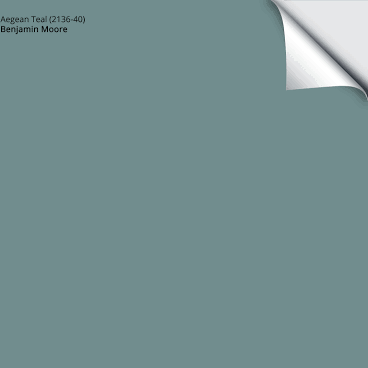
Benjamin Moore's 2021 color palette invites presence. Its blend from familiar neutrals to earthy tones stall and expand the seemingly mundane, yet sacred moments that make up our lives.
For a strong sense of serenity and comfort, pair Aegean Teal with any of these hues to elevate your home.
Love it so much you just want your home transformed already?! C.E. Lee Decorating Center is your new go-to consultant when it comes to design. They have the Benjamin Moore products you need to make this 2021 color palette come to life in your space!

SHERWIN WILLIAMS
Sherwin Williams chose a sophisticated Urbane Bronze as their color of the year 2021.

“The pandemic has caused us to seek comfort in our surroundings and be mindful of how we’re living,” says Sue Wadden, director of color marketing. “As a result, the focus in design and color has shifted to building relaxing sanctuaries within our existing spaces and interior paint colors can help accomplish this feeling. Urbane Bronze creates a sense of calm while making us feel safe and secure.”
Royal in nature, this color is noted by Wadden to work especially well in kitchen spaces. Got darker cabinet colors? Or metallic shades dispersed throughout your kitchen? Urbane Bronze is the perfect color partner to sophisticate your space.
But hey, maybe you already love your kitchen color. After all, you painted it the color of the year 2020 for heaven's sake!
We get it. Urbane Bronze is gorgeous not only in the kitchen, but also a great choice for an accent wall, an outdoor shed (which Wadden did herself) or any space where you want to highlight an architectural design, like behind your fireplace.
Balance and rhythm. Balance and rhythm in design, in our routine and in our lives is the core message Sherwin Williams wants to send with their choice for the color of the year 2021.
To shop Urbane Bronze and more, visit Sherwin Williams in South Bend, Granger or Niles!
BEHR
Behr's color trends of 2021 highlight warmth and restoration. In their palette of 21 hues, we see a lot of subtle, neutral tones and "restorative blues and greens" to "elevate comfort" in our homes, as well as bold, rich hues that inspire optimism.

Versatility ties these hues together. We're in a global moment where our homes are being just about everything we need them to be for us. With an emphasis on versatility and personalization, Behr's palette gives the freedom to update any space exactly how we want it and need it.
When uncertainty erupts, we crave familiarity and comfort. These hues give us that, and more. If it's not a wall to paint, these colors work well for doors, trim and cabinets.
PPG PAINTS

PPG Paint's color trends of the year 2021 orbit around a central theme: transcend.
In their words, these colors are "intended for the person who wants to fully embrace mindfulness and intention" as "the color trio celebrates beauty of all kinds and relates to those who prioritize wellness in mind, body and spirit."
Their versatility allows for each of them to either take on a supporting or dominant role in a space. These natural hues are grounding, nostalgic and fresh, offering relief and support to the tired working man or woman, mom or dad, or anyone who needs a space to unwind.
DULUX

Brave Ground is Dulux's choice for color of the year 2021. This shade "connects back to nature and the simple things. A warm, earthy tone, it creates a feeling of stability, growth and potential."
It's timeless. Subtle. Relaxing.
Brave Ground is complimentary and practical, and pairs especially well with warmer tones to bring a balanced energy to any space. Designed for the person who wants a solid, foundational color in their home as 2020 has forced us to muster up the courage to embrace change, to reassess what really matters and to work together to build a better future.
Regardless of the visual variety we see in the paint color trends of 2021, the intention behind them remains consistent: that in 2021, we'll seek to design our homes with colors that give us comfort and calm, inspire creativity and cultivate joy.
What do you think of the color trends of 2021? Like what you see? We think they set a great foundation for design in the new year with the balance of warmth and optimism. 2021 - we're ready for you!

How To Use Pinterest To Design Your Home
Read time ~ 5 minutes
Pinterest has changed the way we create. From planning mom’s 60th birthday party to announcing an engagement to designing your bathroom to making brunch to DIYing lipstick, inspiration is everywhere on this handy platform.
So, thank you, Pinterest. Now we can never show up to another family BBQ without giving the dessert table a once-over and checking to see if the chip dip matches the ceiling fan.
Jokes aside, Pinterest is an incredible tool for all things creative, especially when it comes to designing your home. If you are building, renovating, or designing your home but don’t have a Pinterest account it’s time to make one.
Since its launch in 2010, Pinterest has made some major improvements, making it even easier to streamline your process for gathering inspiration and storing your ideas for the home of your dreams all in one place.
We’re giving you four tips on the best ways to do it.
Here’s how to use Pinterest to design your home:
1. Create and Organize Your Boards
Depending on if you’re renovating your entire home or a single room, be specific when you create your boards to organize your pins. Avoid creating a board titled, “Dream Home”, but break it down further and create boards for each room so you can easily find what you’re looking for. Are you renovating your master bath? Re-designing your closet? Building a front porch? Create boards for each project.
Pinterest is all about giving you the freshest, most relevant content. As you create each board, set a goal for when you want to finish say, designing your mudroom to get reminders about planning and keep your recommended pins relevant.
Want your partner, teen, or bff to give you their two cents? “Group boards” are a great option if you want collaboration on your pins to get everyone’s ideas in one place.
Don’t want your neighbors stealing your design ideas? We get it. You can also create “Secret Boards” so you can keep your brilliance to yourself.
Organize your boards on your profile either from A-Z, last saved to or drag and drop them in an order that makes the most sense to you.
Inside your boards, you can organize your pins any way you want. Maybe you want to move the pins you love the most towards the top for easy access, to put all the dining room tables you love next to each other to compare them side by side, or push your partner’s suggestion down towards the bottom.
The better you can organize your pins and boards as you go, the easier it will be to finish your project!
2. Find Your Favorite Pinners
Don’t follow hundreds and hundreds of pinners. Find the brands and bloggers who are active on Pinterest and creating quality content on the regular that aligns with your style. These will become the brands you trust and love (if they aren’t already).
Here are a few of our favorites:
Luxe Interiors + Design Magazine
Jean Stoffer Design
Studio McGee
Becki Owens
If you don’t follow hundreds and hundreds of accounts, your “following feed” will be more streamlined and less cluttered.
If following only a few pinners makes you panic, don’t worry. Pinterest saw that coming. On your “Home” and “Today” tab, you’ll get served the latest, most relevant content that matches the content of your most recent searches that aren’t limited to the accounts you follow.
3. Be specific with Your Searches
The more specific you can get with your searches, the better the content you’ll get. For example, if you search “mid-century modern brass lamp” you’ll get pages of great options and likely find what you’re looking for faster than if you had searched “cool brass lamp”.
Once you type in your super specific search, you can use the “Explore” tab or the “Shop” tab. With the “Shop” tab, you can see hundreds of mid-century modern brass lamps with their brand and prices and if you so desire, you can buy it right then and there. There’s always the option to use “More Ideas” for similar pins, or to “Shop Similar” whenever you search. Pinterest is making this too easy for us!
If you’re not ready to buy just yet but definitely want to save the idea, when you save each pin, make sure to comment what you love or don’t love about the pin to remind yourself of the specifics when you revisit it later. For example, “love the color, not the shape”. This is a great way to customize your pins!
Pinterest also lets you share or download your pins. Share your pins with your friends who are fellow pinners on the app by messaging it to them or sending them the link. Download the image if you want it saved to your phone or computer. These features make it easy to interact with your friends on or off the app and save the images to a folder on your computer if you want to store your ideas there, too.
4. Share it with Your Contractor or Designer
Keep your boards to yourself, or better yet, share them with your contractor or designer so they can get a better feel for your style.
This is where all the hard work you put into organizing your boards and pins pays off! Easily show your contractor or designer your dream for your living room, backyard patio or kitchen. Let them know exactly what you want.
Refer to any comments you made previously on your pins to point out the specifics. Maybe you loved the countertops, but you hated the backsplash. Or you loved the layout of the living room, but would love it even more if there were bigger windows. Point out what you like or don’t like about the design and let them browse your boards so they can make your dream home a reality.
Designing your home just got easier with Pinterest. Use these four tips next time you curl up on your couch with a glass of wine and get to work designing your home with this app.
Did we mention we’re big Pinterest fans, too? Follow us @markscotthomes to see our latest projects and get inspired for your own!
Change orders aren’t always a bad thing—but they can cause budget and schedule stress if they aren’t managed correctly. Here’s what change orders really mean, what triggers them, and how a great builder keeps them under control.