


Navigating High Interest Rates and Rising Material Costs: Is Now the Right Time to Build Your New Home?
Building a new home is a monumental decision that hinges on a multitude of factors, including economic conditions. With the current landscape marked by high interest rates and escalating material costs, prospective homeowners may be grappling with the question of whether now is the opportune moment to embark on their new home construction journey. In this article, we'll delve into the intricacies of this dilemma, weighing the pros and cons to help you make an informed choice.
Building a new home is a monumental decision that hinges on a multitude of factors, including economic conditions. With the current landscape marked by high interest rates and escalating material costs, prospective homeowners may be grappling with the question of whether now is the opportune moment to embark on their new home construction journey. In this article, we'll delve into the intricacies of this dilemma, weighing the pros and cons to help you make an informed choice.
The High Interest Rate Conundrum: One of the primary concerns during times of high interest rates is the impact on borrowing costs. Mortgage rates play a pivotal role in determining the affordability of your new home. While high interest rates can lead to larger monthly payments, it's essential to view this in perspective. Historically, interest rates have fluctuated, and while they may be higher now, they could lower in the future. Opting for a fixed-rate mortgage can offer stability, providing a consistent payment amount over the life of your loan.
Navigating Escalating Material Costs: The rise in material costs is another significant consideration when planning your new home construction. Lumber, steel, and other building materials have experienced price increases, potentially affecting your budget. However, this doesn't necessarily mean you should put your plans on hold. By working closely with builders and suppliers, you can explore cost-effective alternatives and strategies to manage expenses without compromising the quality of your dream home.
Strategies to Mitigate Challenges:
Locking in Rates: If you're concerned about interest rates rising further, consider locking in your mortgage rate. This offers protection against potential future increases and provides you with predictability in your monthly payments.
Value Engineering: Collaborate with your builder to explore value engineering options. This involves making cost-effective design choices and material substitutions that don't compromise the overall vision of your home.
Prioritize Must-Haves: During times of increased costs, prioritize essential features and components of your new home. You can always incorporate additional elements later as your budget permits.
Research and Negotiation: Research local suppliers and builders, and negotiate prices. Builders with strong industry relationships may have access to materials at better rates, which can translate into cost savings for you.
Long-Term Considerations: While the current economic conditions present challenges, it's important to view your new home construction as a long-term investment. Over time, the fluctuations in interest rates and material costs may balance out, and the value of your home could appreciate. Moreover, building a home that meets your specific needs and preferences can lead to immeasurable personal satisfaction and quality of life.
The decision of whether to build a new home in a climate of high interest rates and rising material costs is complex and personal. While these challenges are significant, they don't necessarily preclude you from realizing your dream home. By leveraging strategies to mitigate these challenges, staying informed about market trends, and aligning your decisions with your long-term goals, you can make a well-informed choice that caters to both your financial well-being and your aspirations. Remember, each individual's circumstances are unique, and it's essential to consult with financial advisors, builders, and real estate professionals to make a decision that's right for you.
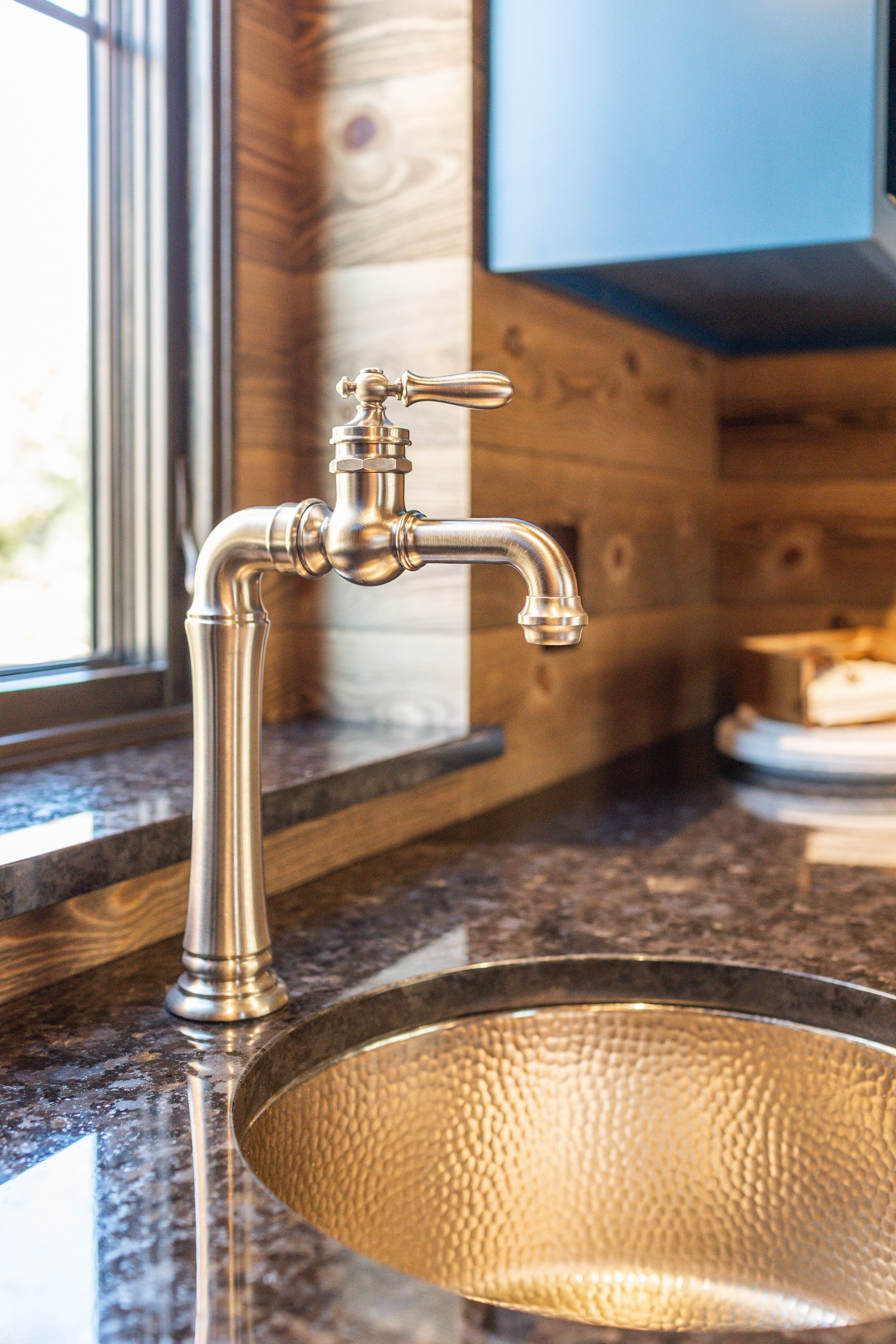
5 Key Trends in Building a New Custom Home in Southwest Michigan
Crafting a custom home in Southwest Michigan is an opportunity to weave your lifestyle and preferences into every nook and cranny. The trends in home construction and design are ever-evolving, shaping the way these homes are envisioned and built. In this article, we delve into the top five trends currently dominating the landscape of custom home construction in Southwest Michigan.
Crafting a custom home in Southwest Michigan is an opportunity to weave your lifestyle and preferences into every nook and cranny. The trends in home construction and design are ever-evolving, shaping the way these homes are envisioned and built. In this article, we delve into the top five trends currently dominating the landscape of custom home construction in Southwest Michigan.
Open-Concept Living: Traditional notions of segmented spaces are giving way to a preference for open-concept layouts. The allure lies in the fluidity and cohesion that open spaces bring. Kitchens seamlessly transition into dining areas and lounges, forming a central focal point for social gatherings and entertainment. The result is not just aesthetic but a lifestyle that promotes interaction and adaptability.
Seamless Integration of Smart Technology: The surge in smart home technology has profoundly reshaped how homes function. This trend is evident in Southwest Michigan's custom homes, where homeowners are incorporating intelligent devices into their living spaces. From intuitive lighting systems and thermostats to home security and entertainment centers, smart technology offers elevated convenience, security, and comfort.
Embracing Outdoor Living: The picturesque landscapes of Southwest Michigan beckon homeowners to amplify their outdoor living spaces. Covered patios, screened porches, and alfresco dining areas are becoming quintessential features of custom homes. These exterior extensions serve as havens for relaxation, hosting guests, and savoring the region's natural beauty.
Organic Color Palettes: Interior design has taken a turn toward serene and organic color schemes. In Southwest Michigan's custom homes, neutral tones, soft hues, and natural textures are gaining prominence. These colors evoke tranquility and a seamless connection with the outdoors, while locally-sourced materials like wood and stone reinforce the home's intrinsic ties to its surroundings.
Customization Beyond Square Footage: The concept of a custom home extends beyond mere square footage. Southwest Michigan's custom home builders are witnessing a surge in requests for unique, personalized features that cater to specific hobbies and interests. From home gyms and meditation rooms to art studios and wine cellars, homeowners are embracing the opportunity to tailor their spaces to their passions.
Embarking on the journey of constructing a custom home in Southwest Michigan is akin to composing a masterpiece that reflects your personality and aspirations. The current trends, including open-concept living, smart technology integration, outdoor sanctuaries, organic color palettes, and personalized spaces, are steering the direction of custom home construction in this captivating region. By embracing these trends, you're not only crafting a captivating living space but also ensuring that your home remains a testament to your vision for years to come.

Your Guide to Finding the Perfect Interior Designer for Your Dream Home
Turning your house into a dream home requires more than just an eye for aesthetics; it requires the expertise of a skilled interior designer. A talented interior designer can bring your vision to life, transforming your living spaces into an exquisite reflection of your personality and style. However, finding the perfect interior designer who understands your needs and aligns with your design sensibilities can be a daunting task. In this blog post, we'll uncover the secrets to help you find the ideal interior designer who will make your design dreams a reality.
Turning your house into a dream home requires more than just an eye for aesthetics; it requires the expertise of a skilled interior designer. A talented interior designer can bring your vision to life, transforming your living spaces into an exquisite reflection of your personality and style. However, finding the perfect interior designer who understands your needs and aligns with your design sensibilities can be a daunting task. In this blog post, we'll uncover the secrets to help you find the ideal interior designer who will make your design dreams a reality.
Define Your Style and Goals
Before embarking on the search for an interior designer, take some time to define your personal style and design goals. Explore various design styles, gather inspiration from magazines and online platforms, and create a mood board to encapsulate your preferences. Knowing your design direction will not only make the selection process easier but will also help your prospective designer understand your vision better.
Research, Research, Research
Start your search for the perfect interior designer by conducting thorough research. Utilize online resources, read reviews, and explore designers' portfolios on their websites and social media platforms. Look for designers who have experience in projects similar to yours and possess a portfolio that resonates with your style. Take note of their accomplishments, design philosophy, and client testimonials to get a sense of their expertise and approach.
Seek Referrals and Recommendations
Word-of-mouth recommendations can be invaluable when it comes to finding the right interior designer. Reach out to friends, family, and colleagues who have worked with interior designers in the past and ask about their experiences. Their insights can provide you with valuable information and may lead you to a designer who matches your requirements.
Check Credentials and Certifications
Ensure that the interior designer you consider has the necessary credentials and certifications. A professional designer should have relevant qualifications, such as a degree in interior design or architecture, and membership in reputable design associations. Certifications validate their expertise and adherence to industry standards.
Set Clear Budgetary Expectations
Discussing budgetary expectations upfront is crucial when choosing an interior designer. Be transparent about your budget constraints and inquire about the designer's fee structure and payment policies. A skilled designer will work with your budget to create a design plan that delivers maximum value.
Schedule Consultations
Narrow down your list to a few prospective interior designers and schedule consultations with each of them. During these meetings, pay attention to their communication style, level of enthusiasm, and ability to listen and understand your ideas. A good designer will ask thoughtful questions and seek to comprehend your lifestyle and preferences.
Review Previous Projects
Request to see examples of the interior designer's previous work. This will give you a tangible sense of their design expertise, attention to detail, and creativity. Ask about their design process and how they handle challenges that may arise during a project.
Consider Compatibility
Finding the perfect interior designer extends beyond design skills; it also involves finding someone you can comfortably communicate with and trust. Look for a designer who you feel comfortable collaborating with and who values your input as an essential part of the design process.
Choosing the perfect interior designer requires patience, research, and clear communication. By defining your style, conducting thorough research, seeking recommendations, and reviewing previous work, you can find an interior designer who will bring your vision to life and create a space that feels uniquely yours. Remember that a successful partnership with your interior designer is built on open communication, mutual respect, and a shared passion for creating beautiful and functional spaces. With the right designer by your side, your dream home is just one step closer to becoming a reality.

Choosing the Perfect Pool: Comparing Gunite, Fiberglass and Liner Pools
When it comes to creating your dream backyard oasis, few things are as enticing as having a swimming pool. However, choosing the right type of pool for your specific needs and preferences can be a daunting task. Three popular options in the market are gunite, fiberglass, and liner pools. In this blog post, we will compare these pool types, exploring their characteristics, advantages, and considerations to help you make an informed decision.
When it comes to creating your dream backyard oasis, few things are as enticing as having a swimming pool. However, choosing the right type of pool for your specific needs and preferences can be a daunting task. Three popular options in the market are gunite, fiberglass, and liner pools. In this blog post, we will compare these pool types, exploring their characteristics, advantages, and considerations to help you make an informed decision.
Gunite Pools: Gunite pools, also known as concrete or shotcrete pools, are constructed by spraying a mixture of cement, sand, and water onto a framework of steel reinforcement. These pools are highly customizable, allowing for unique shapes, sizes, and features.
Pros of Gunite Pools:
Flexibility and Customization: Gunite pools offer endless design possibilities. They can be tailored to fit any shape or size, allowing you to create a truly unique and personalized pool.
Durability: Gunite pools are known for their strength and longevity. With proper maintenance, they can withstand harsh weather conditions and last for decades.
Design Features: The flexibility of gunite allows for the incorporation of various design features, such as waterfalls, spas, and custom steps. This allows you to create a pool that matches your aesthetic preferences and enhances your outdoor living space.
Cons of Gunite Pools:
Longer Installation Time: Constructing a gunite pool is a complex process that requires skilled professionals. As a result, the installation time can be longer compared to other pool types.
Higher Maintenance: Gunite pools require regular maintenance to prevent staining, cracking, and scaling. This includes routine cleaning, pH balancing, and occasional resurfacing to maintain its appearance and integrity.
Fiberglass Pools: Fiberglass pools are premanufactured pools made of a single-piece fiberglass shell, which is then installed in the excavated area.
Pros of Fiberglass Pools:
Quick Installation: Fiberglass pools have a faster installation time compared to gunite pools. Since they are prebuilt, they are simply delivered and installed, minimizing construction time.
Smooth Surface: The smooth and nonporous surface of fiberglass pools resists algae and bacteria growth, reducing maintenance and chemical usage.
Lower Lifetime Cost: While the initial cost of a fiberglass pool may be higher, they require less maintenance and have lower lifetime costs compared to gunite pools.
Cons of Fiberglass Pools:
Limited Design Options: Fiberglass pools come in a variety of shapes and sizes, but they lack the customization options of gunite pools. Design alterations are limited to the available molds.
Transportation Limitations: Due to the size limitations of transportation, larger fiberglass pools may be difficult to deliver to certain locations, making them less suitable for properties with limited access.
Liner Pools: Liner pools consist of a vinyl liner that is secured to a frame constructed of steel, aluminum, or polymer.
Pros of Liner Pools:
Cost-Effective: Liner pools are generally more affordable than gunite or fiberglass pools, making them a popular choice for budget-conscious homeowners.
Comfortable Surface: The smooth, soft surface of a vinyl liner pool provides a comfortable swimming experience for both adults and children.
Easy Maintenance: Liner pools are relatively low-maintenance. The nonporous surface resists algae growth, and if the liner becomes worn or stained, it can be easily replaced.
Cons of Liner Pools:
Limited Lifespan: Vinyl liners have a lifespan of around 10-15 years, depending on maintenance and usage. Replacement of the liner will be required periodically.
Vulnerability to Damage: While vinyl liners are durable, they can be susceptible to tears or punctures from sharp objects or rough play. Proper care and maintenance are essential to avoid damage.
Selecting the right pool type depends on your individual needs, budget, and preferences. Gunite pools offer extensive customization options and long-lasting durability, but require more maintenance. Fiberglass pools provide quick installation and lower lifetime costs, but with limited design options. Liner pools offer affordability and easy maintenance, but may require periodic liner replacement.
Consider factors such as your budget, desired design, maintenance requirements, and expected lifespan when making your decision. Consulting with a professional pool builder can provide further guidance and help you select the pool type that best suits your needs. With careful consideration and research, you can choose the perfect pool that will transform your backyard into a refreshing and inviting oasis.

Building a Home in SW Michigan: Discovering a Haven of Opportunity
When it comes to building a new home, location is key. Nestled in the beautiful southwestern corner of Michigan, Berrien County offers a captivating blend of natural beauty, vibrant communities, and endless opportunities. From its stunning lakefront vistas to its thriving economy, there are numerous reasons why building a home in Berrien County is a fantastic choice. In this blog post, we will explore the many great things about building a home in Berrien County,
When it comes to building a new home, location is key. Nestled in the beautiful southwestern corner of Michigan, Berrien County offers a captivating blend of natural beauty, vibrant communities, and endless opportunities. From its stunning lakefront vistas to its thriving economy, there are numerous reasons why building a home in Berrien County is a fantastic choice. In this blog post, we will explore the many great things about building a home in Berrien County, MI.
Breathtaking Natural Beauty: Berrien County boasts an abundance of natural wonders that will leave you awe-inspired. The county is bordered by Lake Michigan, offering miles of sandy beaches, dunes, and picturesque sunsets. Additionally, the area is home to charming inland lakes, lush forests, and rolling countryside, providing ample opportunities for outdoor recreation, hiking, and boating.
Strong and Diverse Economy: Berrien County has a diverse economy that provides a strong foundation for residents. The region's economic landscape encompasses various industries, including manufacturing, agriculture, tourism, healthcare, and education. This diversity creates a stable job market and numerous business opportunities, making it an ideal place for professionals, entrepreneurs, and families seeking growth and stability.
Vibrant Communities: Berrien County is home to several vibrant communities that offer a welcoming atmosphere and a high quality of life. Whether you prefer a small-town feel or a bustling urban environment, you'll find it here. Cities such as St. Joseph, Benton Harbor, and New Buffalo showcase charming downtown areas, local shops, gourmet dining options, art galleries, and cultural events. These communities are known for their friendly residents and strong sense of community.
Excellent Education System: For families considering building a home, Berrien County boasts an excellent education system. The county is served by several highly regarded public school districts, offering a wide range of educational programs and extracurricular activities. Additionally, there are private school options and prestigious colleges nearby, such as Lake Michigan College, providing opportunities for higher education and lifelong learning.
Abundance of Recreational Activities: In Berrien County, you'll never run out of things to do. With its proximity to Lake Michigan, residents can enjoy swimming, boating, fishing, and water sports during the summer months. The area is also renowned for its golf courses, hiking trails, and cycling routes, allowing outdoor enthusiasts to explore the natural beauty of the region. Additionally, Berrien County is home to wineries, orchards, farmers markets, and festivals, offering a rich cultural and culinary scene for residents to savor.
Easy Access to Major Cities: While Berrien County offers a peaceful and idyllic setting, it also provides convenient access to major metropolitan areas. Chicago is just a short drive away, allowing residents to enjoy the cultural attractions, shopping, and entertainment options of a world-class city. Additionally, nearby cities like Grand Rapids, Kalamazoo, and South Bend offer further opportunities for exploration and professional endeavors.
Building a home in Berrien County, MI, means embracing a life of natural beauty, economic vitality, and a strong sense of community. From the breathtaking Lake Michigan shoreline to the diverse economy and vibrant communities, the county offers an exceptional living experience. With a wide array of recreational activities, excellent education options, and easy access to major cities, Berrien County presents an ideal location for individuals and families seeking a harmonious blend of nature, culture, and opportunity.

Tankless Water Heater vs. Traditional Water Heater: Making an Informed Choice
In today's modern world, homeowners have an array of options when it comes to heating water for their daily needs. Two popular choices are tankless water heaters and traditional water heaters. While both serve the same purpose, they have significant differences in terms of efficiency, cost, and convenience. In this blog post, we will explore the pros and cons of tankless water heaters and traditional water heaters, helping you make an informed decision for your home.
In today's modern world, homeowners have an array of options when it comes to heating water for their daily needs. Two popular choices are tankless water heaters and traditional water heaters. While both serve the same purpose, they have significant differences in terms of efficiency, cost, and convenience. In this blog post, we will explore the pros and cons of tankless water heaters and traditional water heaters, helping you make an informed decision for your home.
Tankless Water Heaters: Tankless water heaters, also known as on-demand water heaters, have gained popularity in recent years due to their energy efficiency and space-saving design. Unlike traditional water heaters, tankless models do not store and continuously heat a large volume of water. Instead, they heat water as it passes through the unit, providing hot water on demand.
Pros of Tankless Water Heaters:
Energy Efficiency: Tankless water heaters are highly energy efficient since they only heat water when needed. By eliminating standby heat loss, which occurs in traditional water heaters, tankless models can help you save on your energy bills.
Continuous Hot Water: With a tankless water heater, you don't have to worry about running out of hot water. These units provide a continuous supply of hot water, making them ideal for larger households or situations where hot water is frequently needed.
Space Saving: Tankless water heaters are compact and can be installed on walls, freeing up valuable floor space. This feature is especially advantageous for those with limited space in their utility rooms or apartments.
Cons of Tankless Water Heaters:
Higher Initial Cost: Tankless water heaters generally have a higher upfront cost compared to traditional water heaters. The cost includes not only the unit but also professional installation, which may require modifications to existing plumbing and electrical systems.
Limited Flow Rate: Although tankless water heaters can provide a continuous supply of hot water, they have a maximum flow rate. If multiple hot water outlets are used simultaneously, the flow rate may decrease, leading to reduced water pressure.
Traditional Water Heaters: Traditional water heaters, often referred to as storage tank water heaters, have been the standard choice in most households for many years. These units store and continuously heat a specific volume of water in a tank, ready for use when needed.
Pros of Traditional Water Heaters:
Lower Initial Cost: Traditional water heaters are generally more affordable upfront, making them an attractive option for homeowners on a tight budget.
Simplicity: Traditional water heaters are simple to operate and maintain. They have fewer components and are less complicated than tankless models, which can make repairs and replacements easier.
Cons of Traditional Water Heaters:
Standby Heat Loss: Since traditional water heaters continuously heat and store a large volume of water, they are prone to standby heat loss. This means energy is wasted as heat escapes from the tank, even when hot water is not in use.
Limited Lifespan: Traditional water heaters typically have a lifespan of around 10-15 years, after which they may require replacement. Tank corrosion and sediment buildup can contribute to reduced efficiency and costly repairs.
Conclusion: Choosing between a tankless water heater and a traditional water heater ultimately depends on your specific needs and circumstances. Tankless water heaters offer energy efficiency, continuous hot water, and space-saving benefits, but come with a higher initial cost. On the other hand, traditional water heaters are more affordable upfront, but may be less energy efficient and have a limited lifespan.
Consider factors such as your household size, hot water usage patterns, available space, and budget when making your decision. It may also be helpful to consult with a professional plumber who can assess your home's requirements and recommend the best option.
Ultimately, both tankless and traditional water heaters have their advantages and disadvantages. By weighing these factors, you can choose the system that best meets your needs for reliable and efficient hot water in your home.

Creating the Perfect Kitchen: A Guide for Your New Home
The kitchen is the heart of any home, and designing the perfect kitchen in your new home is a thrilling opportunity to blend functionality, style, and personal flair. When working with a reputable builder like Mark Scott Homes, you can ensure a well-crafted space that caters to your unique needs. In this blog post, we will guide you through the essential elements and considerations for creating the best kitchen in your new home.
Thoughtful Layout and Flow:
A well-designed kitchen starts with careful planning. Collaborate with the your team to determine the most efficient layout for your kitchen. Consider the classic kitchen work triangle, which connects the stove, sink, and refrigerator, allowing for easy movement and optimal functionality. Aim for a layout that maximizes counter space, minimizes traffic congestion, and creates a seamless flow for cooking, cleaning, and entertaining.
Quality Materials and Appliances:
When working with Mark Scott Homes, you can expect superior craftsmanship and attention to detail. Opt for high-quality materials that combine durability with aesthetic appeal. Choose sturdy cabinetry, countertops, and flooring that withstand the demands of daily use. Select appliances that align with your cooking style and preferences, ensuring they offer the latest technology and energy efficiency for a seamless culinary experience.
Ample Storage and Organization:
Storage is essential in any kitchen. Work closely with your designer to incorporate ample storage solutions that cater to your needs. Utilize a mix of cabinets, drawers, and pantry space to optimize organization and keep your kitchen clutter-free. Consider features such as pull-out shelves, spice racks, and customized dividers to make the most of every inch of storage space.
Functional Workspaces:
A well-designed kitchen provides functional workspaces for food preparation, cooking, and cleanup. Incorporate a spacious and durable countertop where you can comfortably chop, mix, and assemble ingredients. Install a multi-burner stove and a well-placed range hood to create an efficient cooking area. Don't forget to include a functional sink with easy access to water and a dishwasher for convenient cleanup.
Lighting and Ambiance:
Proper lighting is crucial in creating a warm and inviting atmosphere in your kitchen. Strategically place a combination of ambient, task, and accent lighting to ensure a well-lit workspace. Consider pendant lights over the island, under-cabinet lighting for countertop tasks, and dimmable fixtures to set the mood during meal times or gatherings. Collaborate with your designer to create a lighting plan that complements your kitchen's design and enhances its functionality.
Personal Touches and Design Elements:
Infuse your personality into the kitchen design by incorporating unique design elements and personal touches. Consider adding a backsplash with a captivating pattern or texture, incorporating statement fixtures, or integrating open shelving to showcase your favorite kitchenware or decor. Work with the professionals at Mark Scott Homes to find the perfect balance between style, functionality, and personalization.
Conclusion:
With the expertise of Mark Scott Homes, you can create the best kitchen for your new home, where functionality meets style and craftsmanship. By considering layout, quality materials, storage solutions, functional workspaces, lighting, and personal touches, you can design a kitchen that perfectly suits your lifestyle and culinary aspirations. Collaborate with the skilled team at Mark Scott Homes to transform your vision into a reality and create a kitchen that will be the heart of your new home for years to come.

Unlocking Design Inspiration for Your New Home
Designing your new home can be an exciting and creative process, but it can also be overwhelming with countless options to consider. Thankfully, Pinterest has emerged as a powerful tool that can transform your design journey into a visually stunning and organized experience. In this blog post, we'll explore how you can effectively use Pinterest to gather ideas, refine your vision, and create a beautiful and personalized home design.
Creating a Vision Board:
Pinterest allows you to create virtual vision boards where you can curate images, ideas, and inspiration for your new home. Start by creating a board specifically dedicated to your home design project. Consider naming it something descriptive, like "My Dream Home" or "Home Design Inspiration." This will serve as a central hub for all your ideas.
Explore and Follow Design Influencers:
To begin gathering inspiration, explore Pinterest's vast collection of home design content. Follow design influencers, architects, interior designers, and home décor brands to discover their boards and ideas. This will expose you to a wide range of styles, color palettes, furniture arrangements, and architectural elements that can spark your creativity.
Pinning and Organizing Ideas:
As you browse through different boards and images, start pinning the ideas that resonate with you. Pinning allows you to save images to your boards for future reference. Be sure to pin a variety of elements such as room layouts, color schemes, furniture styles, lighting options, and even specific design details like flooring or backsplashes. Organize your pins into subcategories within your main board to make them easily accessible.
Refining Your Style:
As you continue to pin and gather inspiration, you may notice recurring themes or a consistent style emerging. Pay attention to the elements that catch your eye repeatedly. This will help you define your design preferences and refine your personal style. Consider the overall aesthetic, whether it's modern, rustic, minimalist, or eclectic. Note the colors, textures, and patterns that appeal to you the most.
Collaboration and Communication:
Pinterest offers a collaborative feature that allows you to invite family members, partners, or designers to contribute to your boards. This enables seamless communication and collaboration throughout the design process. Share ideas, exchange comments, and gather feedback to ensure that everyone's visions align and that you're collectively creating the home of your dreams.
Bridging Pinterest and Reality:
While Pinterest is a fantastic tool for gathering inspiration, it's essential to remember that not everything you find will be feasible or suitable for your specific home. Use your Pinterest boards as a starting point to communicate your preferences to architects, designers, and contractors. Work with professionals to translate your Pinterest-inspired ideas into practical and achievable design elements within your home's constraints.
DIY Projects and Tutorials:
Pinterest is a treasure trove of DIY projects and tutorials. From simple crafts to complex renovations, you can find step-by-step guides and creative ideas to add personal touches to your new home. Explore DIY boards for inspiration on everything from repurposing furniture to creating handmade decorations. Incorporating DIY projects can make your home design even more unique and reflective of your personality.
Conclusion:
Pinterest has revolutionized the way we approach home design, offering a boundless source of inspiration and organization. By creating boards, exploring content, refining your style, and collaborating with others, you can leverage Pinterest to bring your dream home to life. Whether you're embarking on a major renovation or simply redecorating, let Pinterest be your guide as you curate ideas, collect inspiration, and embark on the exciting journey of designing your new home.

Geothermal Energy: A Simple Guide for Homeowners
One out of eight our homes utilize Geothermal for heating and cooling. Geothermal systems utilize the Earth's natural heat to provide efficient heating, cooling, and hot water for residential properties. In this blog post, we'll break down the basics of geothermal energy in a way that anyone can understand.
What is Geothermal Energy?
Geothermal energy refers to the heat stored within the Earth. By harnessing this heat, geothermal systems can provide heating and cooling for residential homes. Unlike traditional heating and cooling methods that rely on burning fuels or consuming electricity, geothermal systems tap into the Earth's constant temperature to efficiently regulate indoor climate.
How Does Geothermal Energy Work?
Geothermal systems consist of three main components: a heat pump, a ground loop, and a distribution system.
Heat Pump: The heat pump is the heart of a geothermal system. It works by transferring heat between the ground and your home. During winter, the heat pump extracts heat from the ground through the ground loop and distributes it throughout your house. In summer, it removes excess heat from your home and transfers it back into the ground.
Ground Loop: The ground loop is a series of pipes buried underground. It circulates a water-based solution or refrigerant that absorbs or releases heat to and from the ground. The two most common types of ground loops are vertical and horizontal. Vertical loops are used when space is limited, and holes are drilled deep into the ground. Horizontal loops are installed in larger areas and buried in trenches.
Distribution System: The distribution system in a geothermal setup is similar to traditional HVAC systems. It includes ductwork to deliver warm or cool air to different rooms in your home. In some cases, radiant heating systems, such as underfloor heating, can be used to distribute the heat.
Benefits of Geothermal Energy for Homeowners:
Energy Efficiency: Geothermal systems are highly efficient, using the Earth's constant temperature as a renewable energy source. They can provide significant energy savings compared to traditional systems, resulting in lower utility bills.
Environmental Friendliness: Geothermal energy is clean and environmentally friendly. It produces no greenhouse gas emissions on-site and reduces reliance on fossil fuels, helping to combat climate change and preserve the environment.
Consistent Comfort: Geothermal systems provide consistent heating and cooling throughout the year, eliminating temperature fluctuations and creating a comfortable living environment.
Quiet Operation: Geothermal systems operate quietly, without the noise associated with traditional HVAC systems. This ensures a peaceful home environment.
Longevity and Minimal Maintenance: Geothermal systems are built to last and require minimal maintenance. The ground loops can last for decades, and the systems have fewer moving parts, reducing the risk of mechanical failure.
Conclusion:
Geothermal energy offers homeowners an efficient and eco-friendly way to heat, cool, and provide hot water for their residences. By tapping into the Earth's natural heat, geothermal systems provide consistent comfort, reduce energy consumption, and contribute to a greener future. Consider exploring geothermal energy as an investment that benefits both your wallet and the environment. With its simplicity and long-term benefits, geothermal energy is an excellent choice for homeowners looking to embrace sustainable solutions.
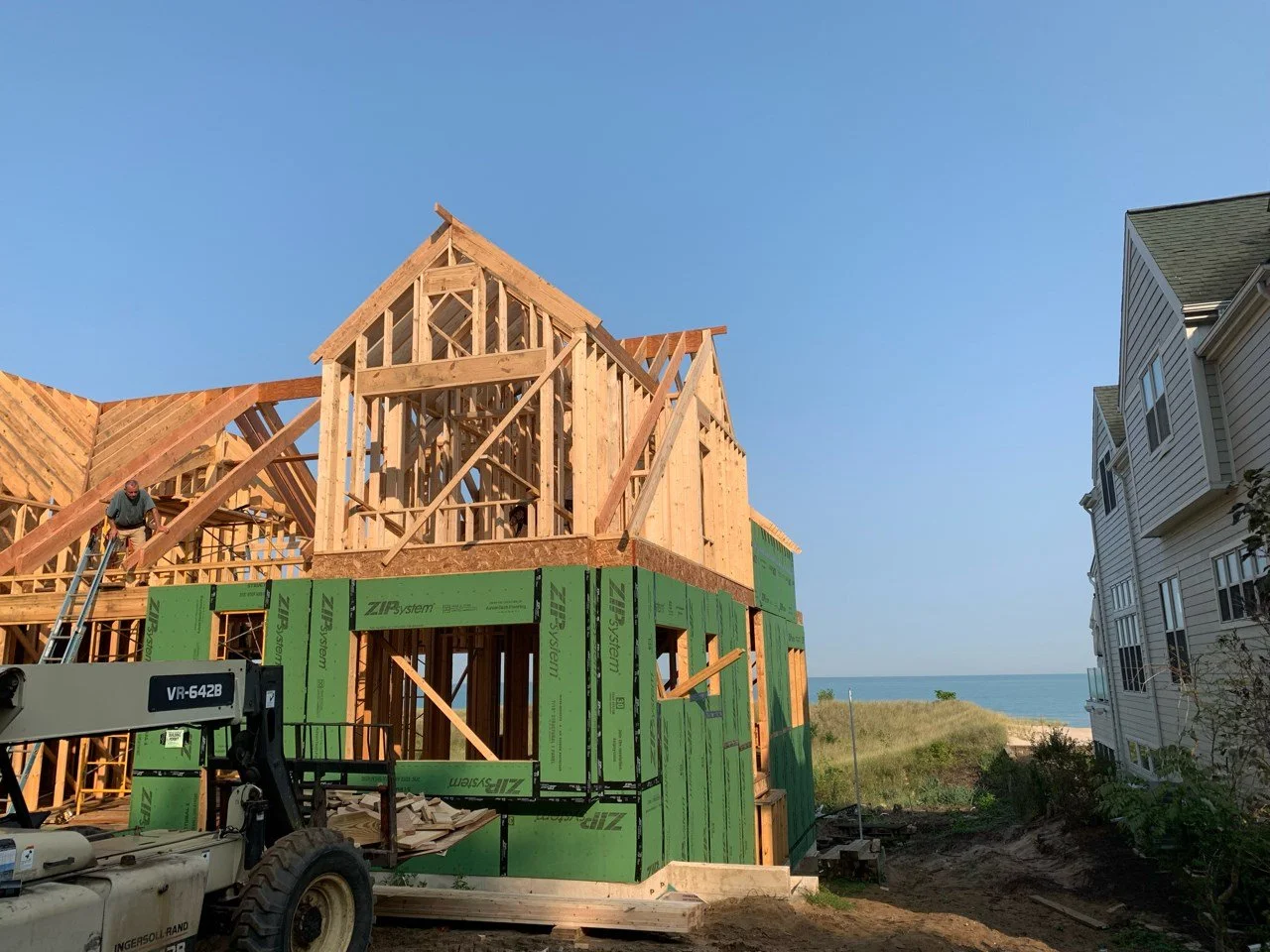
AdvanTech Zip System: The Superior Solution for New Home Construction
When it comes to building a new home, choosing the right materials is crucial for long-lasting durability and exceptional performance. One revolutionary product that has gained significant recognition in the construction industry is the AdvanTech Zip System. This innovative sheathing and weather barrier system offers numerous benefits, from enhanced moisture protection to improved energy efficiency. In this blog post, we'll explore the advantages of the AdvanTech Zip System and why it has become the go-to choice for new home construction.
Unmatched Moisture Protection:
Moisture damage is a significant concern in any construction project. The AdvanTech Zip System is designed to provide superior moisture protection, keeping your new home safe and dry. The engineered wood sheathing acts as a barrier against water infiltration, preventing leaks and potential damage to the structure. The integrated tape system ensures a seamless and watertight seal, minimizing the risk of moisture-related issues such as rot, mold, and mildew.
Exceptional Strength and Durability:
The AdvanTech Zip System is built to withstand the elements and provide long-lasting durability. The engineered wood panels are highly resistant to warping, delamination, and buckling, ensuring structural integrity over time. This strength translates into a solid and reliable foundation for your new home, offering peace of mind and reducing the need for costly repairs or replacements down the line.
Energy Efficiency and Air Tightness:
The AdvanTech Zip System excels in improving energy efficiency and maintaining a comfortable indoor environment. The integrated tape system not only provides moisture protection but also helps create an airtight building envelope. By minimizing air leakage, the system reduces energy loss, prevents drafts, and enhances thermal performance. This translates into lower heating and cooling costs, increased energy savings, and a more sustainable home.
Time and Labor Savings:
One of the notable advantages of the AdvanTech Zip System is its streamlined installation process, leading to significant time and labor savings. The panels are easy to handle and install, allowing for efficient construction timelines. The integrated tape system eliminates the need for separate taping or sealing, reducing labor-intensive tasks and improving overall construction productivity. With the AdvanTech Zip System, builders can achieve faster project completion without compromising quality.
Proven Performance and Warranties:
The AdvanTech Zip System has a strong track record of performance and reliability. It undergoes rigorous testing and has proven its durability and resistance to various weather conditions. Additionally, the system is backed by comprehensive warranties, providing homeowners and builders with confidence in its quality and long-term protection.
Conclusion:
Choosing the right building materials is essential for constructing a new home that stands the test of time. The AdvanTech Zip System offers a comprehensive solution, combining superior moisture protection, strength, energy efficiency, and ease of installation. With its exceptional performance and proven track record, this innovative system has become a top choice for builders and homeowners alike. By incorporating the AdvanTech Zip System into your new home construction, you can ensure a resilient, energy-efficient, and long-lasting living space that exceeds your expectations.

Why Hire An Interior Designer
We’ve been in the business for twenty-four years. Our relationship with our clients does not end when the last nail is screwed in. We have been a part of projects that include interior designers and others that don’t. We’ve heard
Second, my education is in Interior Design! While I may sound bias, I assure you, I am not. Before my schooling, I thought some of the myths you might be thinking too, which I will address later. But what I learned through my experience, was that Interior Designers, besides being leaders in creativity, design, and styling; will save you time and money, saving you from costly mistakes.
And if that doesn’t build our credibility, find numerous other articles and blogs on the same topic! But we’re here to find agreement. So here’s what we know.
1. They’re Professionals.
Consider why Interior Design is a field of study. Because no amount of Pinterest can make you a professional chef, event planner, or home builder. That’s not to say you cannot produce something delicious, fun, or beautiful. But the job of an interior designer is to use their field of study and expertise to create something innovative and custom to you.
Interior designers are not just the decorative decision makers, either, but will facilitate and track orders and deliveries, will make decisions to your benefit with their in-depth knowledge of materials, brands, and furniture options within your budget; and often know the leading trends and lifecycles far before Pinterest. Your home won’t just be another Pinterest home, it’ll be the home that influences all the other homes on Pinterest.
2. They will save you from costly mistakes.
Not only will interior designers maximize your living space, giving you the most function and beauty for your buck, but they will save you from costly mistakes. Familiar with building codes and standards, your interior designer will end up saving you from costly, timely mistakes. And often, interior designers save you from buying cheap materials, the wrong materials, or furniture you’ll end up replacing with the quality you should’ve began with. Not only does your home get the quality it deserves, but the value of your home just went up.
3. Their “sixth sense”.
Interior designers are the experts on beauty and function. While they are maximizing your space, they
4. Your design team.
So when do you include your interior designer in the plans? Right away. Your interior designer should not only work with the architect, but with the builder as well. They don’t just decorate your home, they should be a part of the design of your home for the best results inside and out. Experts that can work together for your best outcome are the people you want working for you, so the more experience your designers have with other architects and builders, the better.
5. The myths you must be thinking.
Interior designers only work for the wealthy.
Not true at all! While your impression may be of the Kardashians’ mansion homes and luxurious designers, interior designs are available to all. You just have to know how to find the right one for you. Find a junior interior designer looking for experience or portfolio pieces after their education, internships, etc. Otherwise, if you’re concerned about the money spent, you can either find an interior designer within your budget or better yet: see the investment of it. Interior designers will source quality products, quality furniture, and strategic decorations all within your budget. You may end up saving not only money but time.
Interior designers are glorified personal shoppers.
Rigorous education with degrees, certifications, and plenty of experience to prove otherwise.
They’re a scam to get paid to decorate.
Like I said, interior designers are much more than “decorators”. Actually, delete “interior decorator” from your vocabulary altogether.
Interior designers will form real, authentic friendships with the client to understand your needs and lifestyle for their designs to best fit you in your home, while considering the resale of it.
It’s a fun job, I want to do it myself.
Considering the scale of the project, especially if this is a new-build you’re designing, the interior design is no walk in the park, and is definitely not covered after a wild trip to Target.
With effective communication and an understanding of what you want your role to be, you will be a part of the selections process. No decision will be made without your go-ahead.
Your beautifully designed and built home deserves the same time and attention in the interior.
We’re on your side, because we want you to have the best home building experience you could ask for.

5 Things to Look for in a Custom Home Builder
Read time ~5 minutes
Building a custom home has always been a dream of yours. Maybe you’ve already started your research and sketched out some plans, maybe it’s still a “one day” dream or maybe you’ve already bought the champagne for your first dinner party.
Wherever you’re at in the process, you deserve the best experience.
But before you pop the bubbly, you need to find a custom home builder to make your dream a reality. To choose the right builder for you, you need to know what to look for. But where do you start?
Don’t worry, we’ve got you covered.
Before you begin your search, know what you need.
Just like you wouldn’t buy a house sight unseen, you wouldn’t look for a custom home builder without first knowing what you need.
Once you know what your budget is, have a general sense of of the home you want, your non-negotiables, what’s important to you and what you want your experience to look like, it will be easier to find a custom home builder who fits your needs expectations, and understands your vision.
There are a lot of great qualities to look for in your builder. We came up with 5 to get you started with your search:
1. First, they listen.
Starting the process of building your custom home can be overwhelming, which is why it’s necessary to have a builder who listens to what you need and what you’re looking for before jumping in with the solution.
Great builders will evaluate your needs, your budget, and your values and align their solution with your best interest in mind.
After they listen long and hard, they might lay out what the most expensive elements of the design would be, what would be tricky to do and give you a rough figure of what the build would cost.
2. They pay close attention to detail.
There are a million details that go into building a custom home.
You need a builder with a well-established process who will walk you through these details and give you the confidence that your home will be built with taste and quality. Luxurious details that are carried out with intention will bring out your home’s unique charm and elegance.
You want a builder who will handle every detail of your home like it’s their home.
3. They are trustworthy.
The best way to find out if your custom builder is trustworthy is to talk to them and trust your instincts.
Here are some questions you could ask them:
How many years have you been in business and how many homes have you built?
How closely do you work with my architect and interior designer?
Can you go into depth with how you approach the estimating process?
Do you only build from existing floor plans or can I bring my own plans?
What kind of new home warranty do you offer?
Who will be overseeing the construction of my home? How can I contact them?
How will you approach questions and concerns that come up throughout the process?
Can I check out a current project you’re working on?
Once you trust and respect your builder to do the job well, you can be sure that they’ll get the job done exactly how you want it.
4. They have a strong reputation.
To get a pulse on your builder’s reputation, start with online reviews. Ask them to introduce you to past clients. You can even request to visit a finished home, ideally one that’s been finished for 1+ years.
When you visit a finished home, pay close attention to the workmanship and the materials they used. Are the design features attractive? Did they use quality materials?
You want a builder with a strong reputation of being hands-on, intelligent and thoughtful. Good builders will be incredibly organized and won’t cut corners. In your search for a reputable builder, don’t just look for great builders, but quality humans.
5. They keep you involved in the building process.
A good builder will keep the communication transparent throughout the entire process. Once you contact them initially, you’ll be able to get an immediate feel for their communication style.
Good builders set up meetings regularly to set clear expectations and make sure you both stay on the same page. You’ll want to know if the project gets delayed and why. A good builder will discuss challenges with the builder, offer modifications and tell you the plan moving forward.
And when it’s done? A good builder makes sure you’re satisfied. They won’t throw you the keys and run, but they’ll finish the job with class, do a final walk-through and make sure you’re 100% satisfied with your home.
Chances are if your builder listens well, pays close attention to detail, is trustworthy and has a strong reputation, they’ll keep you involved in the building process because it’s evident that they care about your needs.
In your search, don’t just look for the best price. Look for compatibility and these 5 qualities in your candidates. And remember, building your dream home should be an incredible and rewarding experience. At Mark Scott Homes, we don’t want you to settle for anything less!

UNDERSTANDING CONDENSATION
Condensation is one of the biggest problems in a modern, well insulated home. Additionally, it is the one which is most misunderstood. Left untreated, condensation can lead to mold growth which can be potentially harmful and lead to serious health issues and breathing difficulties which is why it is important to reduce humidity levels in a home.
Condensation is one of the biggest problems in a modern, well insulated home. Additionally, it is the one which is most misunderstood. Left untreated, condensation can lead to mold growth which can be potentially harmful and lead to serious health issues and breathing difficulties which is why it is important to reduce humidity levels in a home.
When condensation appears on the interior of your windows, everyone assumes it must be the windows. Your home is insulated to protect against extremes of outdoor temperatures. With this insulation, a vapor barrier is installed to prevent moisture from getting into wall, ceiling and floor cavities where it can cause damage. Since moisture cannot escape through the structure the excess must pass through the any opening built into your home.
In daily living you add moisture to the air by breathing, cooking, washing clothes, bathing and even by heating your home with gas. As a homeowner you must control condensation so that it doesn’t cause damage to the surfaces and the structure of your home.
Based on keeping an indoor temperature of 70 degrees, humidity will vary with the outdoor temperature. Use the following maximum recommended humidity levels to keep condensation under control:
Outside Air Temperature Maximum Recommended Indoor Humidity Level
-20 F or Colder Up to15% Maximum
-20 F to -10 F Up to 20% Maximum
-10 F Up to 25% Maximum
0 F Up to 30% Maximum
10 F Up to 35% Maximum
20 F to 40 F Up to 40% Maximum
Humidity levels above these are not recommended unless special provisions are taken during construction.
Here are a few tips that can help you control humidity:
When cooking on the range, turn on the exhaust fan in the hood above it, which will carry moisture from cooking outdoors.
When taking a shower or bath, keep the bathroom door shut to confine the moisture in the bathroom alone. Turn on the bathroom vent fan or open the window slightly for 30 minutes to let excess moisture escape.
When doing laundry, avoid hanging wet clothes in your home. Use a dryer if you have one; it exhausts moisture directly into outside air.
Avoid storing firewood indoors.
The humidity level that should be maintained in your home varies with outside temperature. The colder it is outside, the lower the humidity level must be inside your home. Keep in mind not to take your humidity too extreme, or you’ll experience shrinking and drying of walls, wood floors and cabinetry. All major manufactures of humidifiers list the recommended humidity settings based on outside temperatures.
When in doubt, consult a Home Maintenance Expert to review your home to control Condensation before damage is done.