


What Sets Mark Scott Homes Apart from Other Builders
Choosing the right builder is one of the most important decisions you’ll make when building a custom home. At Mark Scott Homes, we go beyond just building houses—we create homes that reflect your vision, lifestyle, and dreams. Here’s how we stand apart from other builders in the Michiana area.
Choosing the right builder is one of the most important decisions you’ll make when building a custom home. At Mark Scott Homes, we go beyond just building houses—we create homes that reflect your vision, lifestyle, and dreams. Here’s how we stand apart from other builders in the Michiana area.
1. Uncompromising Quality
Quality is the foundation of everything we do at Mark Scott Homes. We are meticulous about every detail, from the materials we select to the craftsmanship of our builds. We work with the best tradespeople and suppliers to ensure that your home isn’t just beautiful—it’s built to last for generations. Our commitment to quality means your home is constructed with precision, care, and an eye for longevity.
2. A Personalized, Client-Centered Experience
We understand that building a custom home is deeply personal, which is why we tailor the experience to your unique needs and desires. You’re not just a project to us—you’re a partner. We guide you through every step, offering expert advice while listening closely to your input. We communicate clearly and consistently, ensuring you feel confident and informed throughout the entire process.
3. Experience with Complex, High-End Projects
At Mark Scott Homes, we specialize in handling projects with high levels of complexity, especially large custom homes and lakefront properties. Whether it's a challenging site condition or intricate architectural details, our team has the experience to tackle any obstacle with precision and care. We embrace the challenges that other builders might avoid, ensuring your home is built to meet your exact specifications.
4. A Strong Focus on Relationships
The foundation of our success lies in the strong relationships we build with homeowners, subcontractors, and suppliers. These relationships are built on trust, collaboration, and a shared commitment to excellence. We only work with trusted partners who uphold our high standards, ensuring that every aspect of your home is built to perfection. When you build with Mark Scott Homes, you’re working with a team of professionals who are as invested in your home as you are.
5. Open-Book Financials for Full Transparency
One of the biggest differences between us and other builders is our open-book financial approach. We believe that trust comes from transparency, which is why we share all quotes, invoices, and costs with our clients throughout the build process. You’ll always know where your money is going, with no hidden fees or surprises. This approach empowers you to make informed decisions about your project and provides full transparency into every dollar spent.
6. Expertise You Can Trust
With decades of experience in the custom home-building industry, our team brings the knowledge and expertise required to deliver exceptional results. We stay current on industry trends, construction methods, and the latest technologies, ensuring your home is built using the best practices available. Our deep understanding of the building process gives you the peace of mind that your home is in expert hands.
7. A Legacy of Excellence
At Mark Scott Homes, we build more than just houses—we create lasting legacies. Our homes are designed and constructed to endure the test of time, both in durability and style. When you choose us, you’re choosing a legacy of craftsmanship and quality that will stand for generations.
Building a custom home is a major investment, and Mark Scott Homes offers an experience unlike any other builder in the area. From our commitment to quality and client relationships to our open-book financials, we put your needs first every step of the way. If you’re ready to build a home that reflects your dreams, we’re here to help you every step of the way.

How to Save Costs When Building a New Home
Building a new home is an exciting journey, but managing costs effectively is crucial to ensure you stay within your budget without compromising on quality. One of the best ways to keep costs under control is to focus on efficiencies that offer long-term value. Whether it's through energy savings, smart design choices, or material selection, here are some key cost efficiencies to consider when building your new home.
Building a new home is an exciting journey, but managing costs effectively is crucial to ensure you stay within your budget without compromising on quality. One of the best ways to keep costs under control is to focus on efficiencies that offer long-term value. Whether it's through energy savings, smart design choices, or material selection, here are some key cost efficiencies to consider when building your new home.
1. Energy-Efficient Design
Incorporating energy-efficient design from the start will not only reduce your carbon footprint but also save you money on utility bills over time. Key considerations include:
High-quality insulation: A well-insulated home reduces heating and cooling costs, keeping your energy bills low.
Energy-efficient windows: Choose windows with low-E coatings and double or triple panes to minimize energy loss.
LED lighting: Energy-saving LED lights last longer and use less power than traditional bulbs, lowering your electricity costs.
Energy-efficient appliances: Opt for ENERGY STAR-certified appliances to reduce energy consumption and long-term utility costs.
2. Smart Home Technology
Smart home technology is not just about convenience—it can also lead to significant cost savings. Consider installing:
Smart thermostats: These allow you to optimize heating and cooling remotely, reducing unnecessary energy use.
Lighting automation: Timers and motion sensors ensure that lights are only on when needed, cutting down on electricity usage.
3. Modular or Prefabricated Components
Using modular or prefabricated elements can streamline the building process and reduce labor costs. Prefabricated components, such as walls or roof trusses, are made off-site, ensuring precision and minimizing waste during construction. This efficiency can lead to faster build times and lower overall costs.
4. Simplified Architectural Design
A simple, thoughtful architectural design can lead to significant savings without sacrificing style. Here’s how:
Straightforward floor plans: Reducing the number of corners, curves, and complex rooflines can help lower construction costs.
Standardized windows and doors: Using standard-sized windows and doors is more affordable than opting for custom sizes.
Multiple floors: By building up, or utilizing the basement for living space maximizes overall costs vs. a single story home.
5. Durable, Low-Maintenance Materials
Opting for durable and low-maintenance materials might have a higher upfront cost, but they’ll save you money in the long run by reducing the need for repairs and replacements. Consider:
Fiber cement siding: A durable, fire-resistant material that requires less maintenance than wood siding.
Metal roofing: Though more expensive initially, metal roofs last longer and require less upkeep compared to traditional asphalt shingles.
Composite decking: For outdoor spaces, composite materials outlast wood, requiring less maintenance and fewer repairs.
6. Efficient Use of Space
Maximizing the space in your home without unnecessary expansions can save money while enhancing functionality:
Open floor plans: Open layouts reduce the need for excess walls and create a more spacious, connected feel.
Multi-functional rooms: Designing rooms that serve multiple purposes (e.g., a home office that doubles as a guest room) helps you get more use out of your square footage.
7. Optimized Building Site
The way your home is positioned on its lot can have a big impact on both initial costs and long-term savings:
Maximizing natural light: Strategically placing windows to capture natural light reduces the need for artificial lighting and heating.
Site grading: Minimizing the amount of earth-moving and grading required can cut costs significantly.
8. Water-Saving Fixtures and Systems
Water-efficient fixtures not only help the environment but can also reduce water bills:
Low-flow faucets and showerheads: These reduce water usage while maintaining performance.
Dual-flush toilets: These use less water for liquid waste, reducing overall water consumption.
Rainwater collection systems: In certain areas, rainwater collection can be used for landscaping or non-potable water needs, lowering your water usage.
9. Minimalist Finishes and Materials
In some areas of the home, opting for minimalist or simple finishes can be a cost-effective way to achieve style without overspending:
Polished concrete floors: These are durable, modern, and less expensive than hardwood or tile flooring options.
Open shelving in kitchens: Open shelving is a stylish and budget-friendly alternative to full cabinetry.
10. Thoughtful Landscaping
Landscaping can be an ongoing expense, but choosing low-maintenance, drought-resistant plants and hardscaping features such as gravel or stone pathways can reduce the need for frequent upkeep and excessive watering, keeping costs down in the long run.
11. Efficient Construction Management
A well-managed construction timeline is key to cost efficiency. An experienced builder who communicates clearly and plans proactively can avoid costly delays, reduce labor expenses, and minimize material waste. Clear communication between you and your builder can also help avoid misunderstandings that could lead to expensive rework.
Cost efficiencies during the construction of your new home are all about making smart, long-term decisions. By focusing on energy efficiency, durable materials, thoughtful design, and experienced construction management, you can build a home that not only meets your needs today but saves you money over time. At Mark Scott Homes, we specialize in guiding homeowners through these decisions, ensuring your home is both beautiful and cost-efficient. Reach out today to start building your dream home with us!

What to Consider When Building a Second Home:
For busy professionals, building a second home can be both an exciting prospect and a daunting task. Whether you’re looking to build a vacation retreat or a future retirement residence, Mark Scott Homes understands the unique challenges you face as you juggle your busy schedule and the desire for a custom-designed, high-quality home. Here are some key considerations to keep in mind when building your second home.
For busy professionals, building a second home can be both an exciting prospect and a daunting task. Whether you’re looking to build a vacation retreat or a future retirement residence, Mark Scott Homes understands the unique challenges you face as you juggle your busy schedule and the desire for a custom-designed, high-quality home. Here are some key considerations to keep in mind when building your second home.
1. Location, Location, Location
Choosing the perfect location for your second home is perhaps the most important decision you'll make. If you're building a vacation home, proximity to your favorite leisure activities—whether it's a lake, golf course, or downtown area—is crucial. You'll also want to consider how accessible the home is from your primary residence, ensuring that it's easy to visit for both long weekends and extended stays.
At Mark Scott Homes, we specialize in building lake homes in some of the most desirable locations in Southwest Michigan and Northern Indiana. Our team can help you find the ideal lot that maximizes views, privacy, and proximity to local attractions.
2. Low Maintenance, High Durability
As a second home, you might not be spending as much time at this property, which means you'll want to minimize the amount of maintenance required. Opt for low-maintenance, durable materials that will hold up over time with minimal upkeep. High-quality, weather-resistant materials for roofing, siding, and landscaping will ensure that your home stays in pristine condition, even when you're not there to keep an eye on it.
For instance, we recommend materials like LP smart siding, which can withstand harsh weather conditions and requires less maintenance than traditional wood. We also design low-maintenance outdoor spaces that let you enjoy your time at your second home, rather than worrying about upkeep.
3. Flexible Design for Future Needs
When building a second home, it’s important to consider not just your current needs but also your future ones. As a busy professional, you may want a home that serves as a family retreat now but could become a full-time residence in the future. Flexible, thoughtful design is key to ensuring that your home grows with you.
At Mark Scott Homes, we prioritize designing homes that accommodate future lifestyle changes. This could mean designing a layout that allows for easy expansion, or building main-floor master suites for potential future accessibility needs. Thinking long-term can help you avoid costly renovations down the road.
4. Smart Home Technology for Convenience
A second home should be a place of relaxation, and incorporating smart home technology can help you manage your property remotely. From smart thermostats and security systems to lighting controls and automated irrigation systems, technology can give you peace of mind when you're not at your second home. These features also make it easier to arrive at a fully prepared home, where you can simply walk in and start enjoying your time off.
We work with homeowners to integrate the latest smart home systems, so your second home is always just a tap away, no matter where you are.
5. Work with a Builder You Trust
Building a second home is a significant investment, both in terms of time and money. It’s essential to work with a custom home builder who understands your vision and can manage the entire process, allowing you to focus on your career and other commitments. At Mark Scott Homes, we take pride in offering a seamless, transparent building experience. Our team handles every detail, from initial design to final walkthrough, ensuring that your second home is everything you envisioned—without the stress.
Make Your Second Home a True Retreat
For busy professionals, a second home should be a place of rest, relaxation, and quality time with loved ones. By carefully considering the location, materials, and design of your new home—and working with a trusted builder—you can ensure that your second home becomes a cherished retreat for years to come.
If you’re ready to start planning your second home, contact Mark Scott Homes today. We’ll guide you through every step of the process, helping you build a home that suits your lifestyle now and in the future.

How to Build a Sustainable Home in SW Michigan
Building a new home in Southwest Michigan offers a unique opportunity to incorporate sustainable features that can significantly reduce environmental impact and increase energy efficiency. As a home builder committed to sustainability, we believe that incorporating the right elements can create a comfortable, eco-friendly living space. Here are key features that make a home sustainable in Southwest Michigan.
Building a new home in Southwest Michigan offers a unique opportunity to incorporate sustainable features that can significantly reduce environmental impact and increase energy efficiency. As a home builder committed to sustainability, we believe that incorporating the right elements can create a comfortable, eco-friendly living space. Here are key features that make a home sustainable in Southwest Michigan.
1. Geothermal Heating and Cooling
One of the most effective ways to achieve sustainability in home building is through geothermal heating and cooling systems. These systems utilize the earth's constant underground temperature to heat and cool your home, drastically reducing the need for conventional heating and cooling methods. In Southwest Michigan, where seasonal temperature fluctuations are common, a geothermal system can provide consistent, efficient climate control year-round.
2. Energy-Efficient Windows and Insulation
Ensuring that your home is well-insulated and equipped with energy-efficient windows is crucial for sustainability. High-performance windows with low-E coatings and argon gas fill can minimize heat loss in the winter and keep your home cool in the summer. Combined with superior insulation, these features can drastically reduce the need for additional heating and cooling, further contributing to a sustainable home.
3. Solar Panels
Southwest Michigan receives enough sunlight to make solar panels a viable option for sustainable energy. By installing solar panels, you can harness the sun’s energy to power your home, reducing reliance on fossil fuels and lowering your energy bills. Solar panels are a long-term investment that pays off by providing renewable energy and reducing your carbon footprint.
4. Water Conservation Systems
Incorporating water conservation systems is another critical aspect of building a sustainable home. Low-flow fixtures, rainwater harvesting systems, and efficient irrigation systems can significantly reduce water usage. Given the importance of water conservation in Michigan, these systems help preserve natural resources and lower utility costs.
5. Sustainable Building Materials
Using sustainable building materials is essential for reducing environmental impact. Materials such as reclaimed wood, recycled metal, and bamboo are not only eco-friendly but also durable and aesthetically pleasing. Additionally, opting for locally sourced materials reduces transportation emissions and supports the local economy in Southwest Michigan.
6. Green Roofing
Green roofing, or living roofs, are an innovative way to enhance the sustainability of your home. These roofs are covered with vegetation, which provides natural insulation, reduces stormwater runoff, and improves air quality. Green roofs are especially beneficial in urban areas of Southwest Michigan, where they can contribute to reducing the urban heat island effect.
7. Smart Home Technology
Integrating smart home technology can significantly enhance the sustainability of your home. Smart thermostats, lighting, and appliances can be programmed to optimize energy usage, ensuring that energy is not wasted. For instance, smart thermostats can learn your schedule and adjust temperatures accordingly, providing comfort while minimizing energy consumption.
8. Passive Solar Design
Passive solar design involves strategically designing your home to take advantage of natural sunlight for heating and lighting. By positioning your home and windows to maximize sunlight during the winter and minimize heat gain during the summer, you can reduce the need for artificial heating and cooling. This design approach is particularly effective in Southwest Michigan, where seasonal variations in sunlight can be significant.
9. Landscaping for Sustainability
Sustainable landscaping is an often-overlooked aspect of building an eco-friendly home. Native plants, xeriscaping, and efficient irrigation systems can reduce water usage and maintenance needs. Additionally, strategically placed trees and shrubs can provide natural cooling and wind protection, further enhancing your home's energy efficiency.
Building a sustainable home in Southwest Michigan involves a combination of innovative technologies and thoughtful design choices. By incorporating geothermal heating and cooling, energy-efficient windows, solar panels, water conservation systems, sustainable materials, green roofing, smart home technology, passive solar design, and sustainable landscaping, you can create a home that is not only environmentally friendly but also comfortable and cost-effective. As your trusted home builder, we are committed to helping you build a sustainable home that meets your needs and contributes positively to the environment.
Fixed Price vs Cost Plus Contracts
When embarking on the exciting journey of building a new home, one of the crucial decisions you’ll make is selecting the type of contract to use. At Mark Scott Homes, serving SW Michigan and Northern Indiana, we understand that this choice can significantly impact your building experience and overall satisfaction. Two common types of contracts are Fixed Price Contracts and Cost Plus Contracts. Let's explore the differences and why a Cost Plus Contract might be more beneficial for you in the long run.
Understanding Fixed Price Contracts vs. Cost Plus Contracts for Building Your New Home
When embarking on the exciting journey of building a new home, one of the crucial decisions you’ll make is selecting the type of contract to use. At Mark Scott Homes, serving SW Michigan and Northern Indiana, we understand that this choice can significantly impact your building experience and overall satisfaction. Two common types of contracts are Fixed Price Contracts and Cost Plus Contracts. Let's explore the differences and why a Cost Plus Contract might be more beneficial for you in the long run.
Fixed Price Contract: Predictability with Potential Pitfalls
A Fixed Price Contract is straightforward: the builder provides a single price for the entire project, covering materials, labor, and overhead. This contract type offers predictability, as you know upfront what the project will cost. However, this predictability comes with certain limitations:
Risk Premium: Builders often include a risk premium in the fixed price to cover potential unforeseen expenses. This means you might end up paying more than necessary.
Limited Flexibility: Any changes or upgrades requested after the contract is signed can lead to costly change orders.
Quality Concerns: To maintain profit margins, builders might opt for lower-cost materials or less experienced subcontractors.
Cost Plus Contract: Transparency and Flexibility
A Cost Plus Contract, on the other hand, provides a more transparent approach. You pay for the actual cost of materials and labor, plus an agreed-upon percentage or fixed fee for the builder’s overhead and profit. Here’s why this can be more beneficial for you:
Transparency: You see exactly where your money is going. Detailed invoices and receipts ensure you know the actual cost of materials and labor.
Flexibility: Changes and upgrades are easier to incorporate without the need for expensive change orders. You can adjust the project scope as needed.
Quality Assurance: There’s no incentive for the builder to cut corners on materials or labor, as their profit is a percentage of the total cost.
Why a Cost Plus Contract is Beneficial in the Long Run
Opting for a Cost Plus Contract can save you money and provide peace of mind. Here’s why:
No Hidden Costs: Without a built-in risk premium, you pay for what you get, potentially lowering overall costs.
Adaptability: As the project evolves, you have the freedom to make informed decisions and modifications without exorbitant penalties.
Enhanced Trust: The transparent nature of the contract fosters a collaborative relationship between you and the builder, ensuring everyone is aligned with the project’s goals.
Building in SW Michigan and Northern Indiana: The Importance of a Contingency Budget
Regardless of the contract type, it’s always wise to build a contingency budget into your project. Unforeseen issues like weather delays, material shortages, or unexpected site conditions can arise. A contingency budget, typically 10-15% of the project cost, provides a financial cushion to handle these surprises without derailing your project.
At Mark Scott Homes, we are committed to making your home-building experience as smooth and rewarding as possible. Understanding the differences between Fixed Price Contracts and Cost Plus Contracts is essential in making an informed decision. While a Fixed Price Contract offers predictability, a Cost Plus Contract provides transparency, flexibility, and potential cost savings, making it a more beneficial choice for homeowners in SW Michigan and Northern Indiana. Remember to include a contingency budget to safeguard your project against unexpected challenges.
Ready to build your dream home? Contact Mark Scott Homes today to learn more about our transparent and flexible Cost Plus Contract options.

What you need to know before building a new home
Building a new home is an exciting journey that allows you to create a space tailored to your unique needs and preferences. However, it also involves a significant amount of planning, decision-making, and financial investment. Before breaking ground on your dream home, here are the key things you need to know.
Building a new home is an exciting journey that allows you to create a space tailored to your unique needs and preferences. However, it also involves a significant amount of planning, decision-making, and financial investment. Before breaking ground on your dream home, here are the key things you need to know.
1. Define Your Vision
Understanding Your Needs and Wants:
Start by listing what you need in your new home versus what you want. Needs might include the number of bedrooms, bathrooms, and essential living spaces. Wants could be features like a home office, a gym, or a gourmet kitchen.
Explore Design Inspirations:
Gather ideas from home design magazines, websites like Houzz or Pinterest, and model homes. This will help you clarify your style preferences and provide inspiration for your project.
2. Set a Realistic Budget
Estimate Costs:
Research the average cost of building a home in your desired area, which can vary significantly. Costs include land purchase, construction, permits, and interior finishes.
Plan for Contingencies:
Always include a contingency fund of at least 10-20% of your total budget to cover unexpected expenses or items you may want to add.
Financing Options:
Explore different financing options, including construction loans and traditional mortgages. Speak with lenders to understand the terms and conditions of each option.
3. Choose the Right Location
Neighborhood and Community:
Consider the neighborhood’s safety, amenities, school districts, and proximity to work or family.
Land Considerations:
Inspect the plot for soil quality, drainage, and zoning laws. Understand any potential site preparation costs such as clearing trees or leveling land.
4. Assemble Your Team
Hire Professionals:
Research and hire experienced architects, builders, and contractors. Check their references and review past projects.
Understand Their Roles:
Clearly define the roles and responsibilities of each team member to ensure smooth communication and project management.
5. Understand the Building Process
Step-by-Step Process:
Familiarize yourself with the building process, from initial design and permits to construction and final inspections. Understanding this timeline will help manage your expectations and keep the project on track.
Permits and Regulations:
Obtain all necessary permits and ensure compliance with local building codes and regulations. This can include environmental regulations, zoning laws, and safety standards.
6. Focus on Energy Efficiency
Green Building Practices:
Consider incorporating energy-efficient designs and materials. This can include proper insulation, energy-efficient windows, and sustainable building materials.
Renewable Energy:
Explore options for solar panels, geothermal heating, and other renewable energy sources. These can reduce long-term energy costs and your home’s environmental footprint.
7. Plan for the Future
Future-Proofing:
Think long-term about your family’s needs. This could include designing flexible spaces that can evolve over time, such as a home office that could become a guest room or nursery.
Technology Integration:
Consider integrating smart home technology for security, energy management, and convenience. This might include smart thermostats, lighting systems, and home automation features.
8. Personalize Your Space
Interior Design:
Choose finishes, fixtures, and colors that reflect your style. This is where you can let your personality shine through in your new home.
Custom Features:
Decide on any custom features that will enhance your lifestyle, whether it’s a gourmet kitchen, a spa-like bathroom, or built-in storage solutions.
9. Protect Your Investment
Insurance:
Obtain comprehensive homeowners insurance to protect your new investment. During construction, make sure the builder has appropriate insurance coverage as well.
Warranties:
Ensure your builder provides warranties for the work done and the materials used. This can save you from future repair costs.
Building a new home is a complex but rewarding process that requires careful planning and informed decision-making. By understanding these essential aspects before starting your project, you’ll be better prepared to navigate the challenges and enjoy the satisfaction of creating your perfect home. Remember, thorough preparation and a clear vision are the keys to a successful home-building experience.

Should I Build, or Should I Buy an Existing Home?
Deciding whether to build a new home or buy an existing one is a significant choice that depends on various factors, including your lifestyle, budget, and long-term goals. Each option has its unique advantages and potential drawbacks. This guide will help you weigh the pros and cons of building versus buying, allowing you to make an informed decision that suits your needs. [read more]
Deciding whether to build a new home or buy an existing one is a significant choice that depends on various factors, including your lifestyle, budget, and long-term goals. Each option has its unique advantages and potential drawbacks. This guide will help you weigh the pros and cons of building versus buying, allowing you to make an informed decision that suits your needs.
Benefits of Building a New Home
1. Customization
Building a new home offers unparalleled customization options.
Personalized Design: You can tailor every aspect of your home to match your preferences and lifestyle, from the floor plan to the finishes.
Modern Features: Incorporate the latest technologies and design trends, including smart home systems, energy-efficient appliances, and sustainable materials.
2. New Construction
A newly built home ensures that everything is brand new, reducing the need for immediate repairs and maintenance.
Warranty: Many new homes come with builder warranties, covering defects in materials and workmanship for a specified period.
Energy Efficiency: New homes are often more energy-efficient, built with the latest standards in insulation, windows, and heating/cooling systems.
3. Location Flexibility
Building allows you to choose the exact location that meets your needs.
Ideal Lot: Select a lot that suits your preferences, whether it's a quiet suburban neighborhood, a rural retreat, or a bustling urban area.
Land Utilization: Design your home to maximize the benefits of your specific lot, such as views, sunlight, and privacy.
4. Long-Term Investment
Custom-built homes can be a solid long-term investment.
Appreciation: Well-designed and located custom homes often appreciate in value over time.
Personal Satisfaction: Living in a home that you’ve tailored to your exact needs and tastes can provide significant long-term satisfaction.
Benefits of Buying an Existing Home
1. Immediate Availability
One of the main advantages of buying an existing home is that it’s move-in ready.
Quick Move-In: You can typically move in shortly after closing the sale, which is ideal if you need to relocate quickly.
Established Neighborhoods: Existing homes are often located in established neighborhoods with mature landscaping, amenities, and community ties.
2. Cost Considerations
Buying an existing home can be more affordable and predictable in terms of cost.
Lower Initial Cost: Existing homes can be less expensive than building new ones, especially when considering the costs of land acquisition and construction.
Fixed Price: The price of an existing home is known upfront, reducing the risk of budget overruns that can occur with new construction.
3. Negotiation Opportunities
Purchasing an existing home often provides room for negotiation.
Price Negotiation: You may be able to negotiate the purchase price, closing costs, and other terms with the seller.
Upgrades and Repairs: Negotiations can also include requests for repairs or credits towards updates and improvements.
4. Character and History
Existing homes often come with unique character and history.
Architectural Charm: Older homes may feature distinctive architectural styles, craftsmanship, and mature landscaping that can’t be replicated in new construction.
Historical Significance: Some buyers appreciate the historical significance and stories behind older homes and neighborhoods.
Factors to Consider When Making Your Decision
1. Budget and Financing
Assess your financial situation and financing options.
Construction Costs: Building a new home involves costs for land, materials, labor, permits, and more. Ensure you have a comprehensive budget and contingency plan.
Mortgage Rates: Compare mortgage rates for new construction versus existing homes. Some lenders offer special financing options for new builds.
2. Timeframe
Consider your desired move-in timeframe.
Construction Time: Building a new home typically takes several months to over a year, depending on the project's complexity.
Immediate Need: If you need a home quickly, buying an existing property is the faster option.
3. Lifestyle and Needs
Think about your lifestyle and future needs.
Customization vs. Convenience: Decide if the ability to customize a home outweighs the convenience of moving into an existing one.
Growth and Flexibility: Consider if your family will grow or if your needs might change, and how each option accommodates these changes.
4. Market Conditions
Evaluate the current real estate market conditions in your desired area.
Buyer’s Market vs. Seller’s Market: In a buyer’s market, existing homes may be more affordable and negotiable. In a seller’s market, inventory may be limited, making new construction more appealing.
Choosing between building a new home and buying an existing one is a deeply personal decision that depends on your unique circumstances, preferences, and goals. Building a home offers customization, modern amenities, and the satisfaction of creating a space tailored to you. Buying an existing home provides immediate availability, potential cost savings, and the charm of established neighborhoods. By carefully considering your budget, timeframe, lifestyle, and market conditions, you can make the choice that best aligns with your vision of the perfect home.
At Mark Scott Homes, we specialize in helping clients navigate the complexities of both building and buying homes. Contact us today to explore your options and start your journey towards finding or creating your dream home!

Budgeting for Your Dream Home: Costs and Considerations in 2024
Building your dream home is an exciting journey, but it requires careful planning and budgeting to ensure you can bring your vision to life without financial stress. With 2024 introducing new trends, technologies, and economic factors, it’s essential to understand the costs and considerations involved in creating your ideal living space. Here’s a comprehensive guide to help you budget for your dream home this year.
Building your dream home is an exciting journey, but it requires careful planning and budgeting to ensure you can bring your vision to life without financial stress. With 2024 introducing new trends, technologies, and economic factors, it’s essential to understand the costs and considerations involved in creating your ideal living space. Here’s a comprehensive guide to help you budget for your dream home this year.
1. Determine Your Overall Budget
Start by establishing a clear overall budget for your project. This will serve as a framework for all your financial decisions.
Evaluate Your Finances: Assess your savings, income, and existing debt to determine how much you can realistically allocate to your new home.
Mortgage Pre-Approval: Get pre-approved for a mortgage to understand how much financing you can secure. This will give you a clearer picture of your total budget.
2. Understand the Major Cost Components
Building a home involves several major cost components, each requiring careful consideration and planning.
Land Costs
Purchase Price: The cost of buying a plot of land can vary significantly based on location, size, and desirability.
Site Preparation: Factor in costs for clearing the land, grading, and any necessary excavation.
Construction Costs
Materials: Prices for building materials such as lumber, steel, and concrete fluctuate based on market conditions. Research current prices and trends.
Labor: Labor costs can vary depending on the complexity of the design and local wage rates. Hiring skilled contractors and builders is essential for quality construction.
Permits and Inspections: Budget for building permits, zoning fees, and inspection costs required by local authorities.
Design and Planning
Architect Fees: Professional architects can help design your dream home, but their services come at a cost. Expect to pay a percentage of the total construction cost.
Engineering and Surveying: Structural engineering, land surveying, and other technical services are crucial for ensuring your home’s safety and compliance with regulations.
Interior and Exterior Finishes
Interior Design: Budget for flooring, cabinetry, countertops, lighting, and other interior finishes. High-end or custom options will increase costs.
Exterior Finishes: Consider costs for roofing, siding, windows, and landscaping. Durable and aesthetically pleasing materials may be more expensive but offer long-term value.
3. Plan for Additional Expenses
Beyond the major cost components, several additional expenses can impact your budget.
Utilities and Infrastructure
Utility Connections: Costs for connecting to water, sewer, gas, and electricity services can vary based on location and distance from existing infrastructure.
Septic Systems and Wells: If your property is in a rural area, you may need to install a septic system and a well, which can be costly.
Furnishings and Appliances
Furniture: Budget for new furniture that complements your home’s design and layout.
Appliances: High-quality, energy-efficient appliances are a worthwhile investment but can add to your initial costs.
Contingency Fund
Unexpected Costs: Set aside a contingency fund of at least 10-15% of your total budget to cover unexpected expenses or changes during construction.
4. Consider Long-Term Costs
When budgeting for your dream home, it’s important to consider long-term costs that will impact your finances over time.
Maintenance and Repairs
Ongoing Maintenance: Regular maintenance of your home’s systems, landscaping, and exterior is essential for preserving its value and functionality.
Repairs and Replacements: Budget for eventual repairs or replacements of major components such as the roof, HVAC system, and appliances.
Property Taxes and Insurance
Property Taxes: Research property tax rates in your area and factor them into your long-term budget.
Homeowners Insurance: Ensure you have adequate insurance coverage to protect your investment from potential risks.
Energy Efficiency and Sustainability
Energy Costs: Investing in energy-efficient systems and materials can reduce your long-term utility bills.
Sustainable Features: Consider the costs and benefits of incorporating sustainable features such as solar panels, rainwater harvesting systems, and eco-friendly materials.
5. Work with Professionals
Collaborating with experienced professionals can help you navigate the complexities of budgeting and building your dream home.
Financial Advisors
Budget Planning: Financial advisors can assist in creating a realistic budget and financial plan tailored to your goals.
Builders and Contractors
Accurate Estimates: Experienced builders can provide detailed cost estimates and help you stay within budget.
Architects and Designers
Efficient Design: Architects and designers can create efficient and cost-effective designs that meet your needs and preferences.
Budgeting for your dream home in 2024 involves careful consideration of numerous factors, from initial land and construction costs to long-term maintenance and energy expenses. By understanding these components and working with experienced professionals, you can create a comprehensive budget that ensures your dream home becomes a reality without financial stress. At Mark Scott Homes, we’re here to guide you through every step of the process, helping you build a beautiful, functional, and affordable home. Contact us today to start planning your dream home!

Guide to Avoiding Change Orders while building a new home
Embarking on the journey of building your dream home is an exciting and rewarding experience. However, unexpected changes and additional costs can quickly turn your dream into a nightmare. At Mark Scott Homes, we understand the importance of a smooth and stress-free building process. In this blog post, we'll share valuable insights on how to avoid change orders and ensure a seamless construction experience with our team.
Embarking on the journey of building your dream home is an exciting and rewarding experience. However, unexpected changes and additional costs can quickly turn your dream into a nightmare. At Mark Scott Homes, we understand the importance of a smooth and stress-free building process. In this blog post, we'll share valuable insights on how to avoid change orders and ensure a seamless construction experience with our team.
Thorough Planning: The Foundation of Success
One of the key elements in avoiding change orders is comprehensive planning. Before breaking ground, take the time to meticulously plan every detail of your home. Sit down with our experienced architects and designers at Mark Scott Homes to discuss your vision, lifestyle, and preferences. By addressing potential issues in the planning phase, you can prevent the need for costly changes later on.
Clear Communication: The Key to Success
Effective communication is vital throughout the entire construction process. Regular communication between you and our team ensures that everyone is on the same page. Clearly articulate your expectations and vision for your home, and be open to feedback from our professionals. By maintaining a transparent dialogue, we can address any concerns or potential changes before they become major issues.
Detailed Contracts: Protecting Your Investment
Contracts are the backbone of any construction project. At Mark Scott Homes, we prioritize transparency in our contracts, outlining every detail of the project, including costs, timelines, and specifications. By having a detailed and comprehensive contract in place, both parties are protected from misunderstandings and unexpected changes.
Regular Site Inspections: Stay Involved
Staying actively involved in the construction process is crucial to avoiding change orders. Regular site inspections allow you to monitor the progress and identify any deviations from the original plan early on. By addressing issues promptly, you can prevent small hiccups from escalating into major changes that impact your budget and timeline.
Flexibility within Budget: Expect the Unexpected
While comprehensive planning is essential, it's equally important to acknowledge that unforeseen circumstances may arise during construction. Allocate a contingency budget to account for unexpected expenses or changes. This financial buffer provides peace of mind, knowing that you are prepared for any surprises without compromising the quality of your dream home.
Building a new home with Mark Scott Homes is a collaborative and exciting process. By focusing on thorough planning, clear communication, detailed contracts, regular site inspections, and maintaining flexibility within your budget, you can avoid unnecessary change orders and ensure a smooth construction journey. Our team is dedicated to bringing your dream home to life while minimizing stress and maximizing satisfaction. Trust Mark Scott Homes to make your dream home a reality.

Top 5 Tips for seamless interaction with your homebuilder
Building your dream home is an exciting journey, and effective communication with your homebuilder is key to ensuring a smooth and successful construction process. Mark Scott Homes understands the importance of clear and transparent communication to bring your vision to life. In this blog post, we'll explore the top 5 tips for fostering a strong and effective line of communication with your homebuilder.
Building your dream home is an exciting journey, and effective communication with your homebuilder is key to ensuring a smooth and successful construction process. Mark Scott Homes understands the importance of clear and transparent communication to bring your vision to life. In this blog post, we'll explore the top 5 tips for fostering a strong and effective line of communication with your homebuilder.
Establish Clear Goals and Expectations:
Before breaking ground, it's crucial to establish clear goals and expectations for your new home. Begin by thoroughly discussing your vision, preferences, and priorities with your homebuilder. Outline specific details such as the number of rooms, layout preferences, and any special features you desire. Documenting your expectations will serve as a reference point throughout the construction process, helping both parties stay on the same page.
Regular Site Visits and Meetings:
Maintaining an open line of communication requires regular engagement. Schedule site visits and meetings with your homebuilder to stay informed about the progress and discuss any concerns or changes. Face-to-face interactions provide an opportunity for real-time discussions, fostering a collaborative atmosphere and ensuring that both parties are aligned in their understanding of the project.
Utilize Digital Communication Tools:
In today's fast-paced world, leveraging digital communication tools can significantly enhance the building process. Platforms like project management software, emails, or even dedicated apps can streamline communication by providing a centralized hub for messages, updates, and documents. These tools enable real-time collaboration, making it easier for homeowners and builders to share information and keep track of project milestones.
Ask Questions and Seek Clarification:
Effective communication is a two-way street. Don't hesitate to ask questions or seek clarification if something is unclear. A well-informed homeowner is more likely to make decisions that align with their vision and preferences. Regular check-ins with your homebuilder, whether in person or virtually, can help address any concerns and ensure that everyone is on the same page.
Be Open to Feedback and Flexibility:
Flexibility is crucial in any construction project, and being open to feedback from your homebuilder can lead to better outcomes. As challenges arise, maintain a positive and collaborative mindset. Your homebuilder's expertise can provide valuable insights, helping you make informed decisions and adjustments to the original plan when necessary.
Effective communication with your homebuilder is the cornerstone of a successful home construction project. By establishing clear goals, engaging in regular communication, utilizing digital tools, asking questions, and remaining flexible, you can create a collaborative and transparent partnership with your homebuilder.
At Mark Scott Homes, we believe communication is the crucial aspect to any size project. That’s why we’ve created a process that helps ensure we have a great working relationship together. From our Project kick off meeting, to regularly scheduled in person and zoom meetings, budget updates, utilizing our online Portal for daily log updates, open to questions, including open book bids and invoices (we’ll allow you to see all the details), we’ve found that improves the homebuilding experience for everyone. We are committed to ensuring that your dream home becomes a reality, and these communication tips will help you navigate the building process with confidence and clarity.

Unlocking Success: Top 10 questions to ask when interviewing a home builder.
Building your dream home is an exciting journey, and finding the right custom home builder is a crucial step in turning your vision into reality. The interview process is your opportunity to assess the builder's expertise, communication style, and compatibility with your project. To ensure a smooth and successful collaboration, here are the top questions to ask when interviewing a new custom home builder.
Building your dream home is an exciting journey, and finding the right custom home builder is a crucial step in turning your vision into reality. The interview process is your opportunity to assess the builder's expertise, communication style, and compatibility with your project. To ensure a smooth and successful collaboration, here are the top questions to ask when interviewing a new custom home builder.
Experience and Expertise:
How long have you been in the custom home building industry?
Can you share examples of similar projects you've completed?
What unique challenges have you faced, and how did you overcome them?
Credentials and Licensing:
Are you licensed and insured?
Can you provide references from past clients?
Do you have any professional certifications or memberships in relevant associations?
Project Management:
How do you approach project management to ensure timelines are met?
What systems or software do you use to keep clients informed about project progress?
How do you handle unexpected delays or changes in the project scope?
Communication:
What is your preferred method of communication with clients?
How often can I expect updates on the project's progress?
How do you address and resolve communication issues with clients?
Budget and Costs:
How do you handle budgeting for a custom home project?
Can you provide a detailed breakdown of costs, including potential additional fees?
How do you manage cost overruns and changes to the original budget?
Design and Customization:
How involved can I be in the design process?
Can you work with an architect of my choosing, or do you have preferred professionals you collaborate with?
How do you handle changes to the design once construction has begun?
Quality of Craftsmanship:
What measures do you take to ensure high-quality craftsmanship in your projects?
Can you provide examples of the materials and construction techniques you commonly use?
How do you handle warranty issues or defects after the home is completed?
Subcontractors and Team:
How do you select subcontractors for your projects?
Who will be the primary point of contact during construction?
How do you ensure a cohesive and efficient working relationship with your team?
Timeline and Scheduling:
What is the typical timeline for a project of this scope?
How do you manage scheduling to avoid delays?
Can you provide a detailed construction schedule with milestones?
Green Building and Sustainability:
Do you have experience with green building practices or sustainable construction?
How do you approach energy efficiency in home design and construction?
Are there options for incorporating environmentally friendly materials into the project?
As you embark on the journey of building your custom home, these questions will serve as a valuable guide in selecting the right builder for your needs. Remember, effective communication and a shared vision are key to a successful partnership. Take the time to thoroughly interview potential builders to ensure your dream home becomes a reality with the right team by your side.

The 5 Biggest Mistakes When Building a Custom Home
Building a custom home is a dream for many, allowing individuals to create their ideal living space tailored to their preferences and lifestyle. While the prospect is exciting, the process can be complex, with numerous decisions and potential pitfalls along the way. To ensure your custom home journey is smooth and successful, it's crucial to be aware of the common mistakes that can arise. Here are the five biggest mistakes to avoid when building a custom home:
Building a custom home is a dream for many, allowing individuals to create their ideal living space tailored to their preferences and lifestyle. While the prospect is exciting, the process can be complex, with numerous decisions and potential pitfalls along the way. To ensure your custom home journey is smooth and successful, it's crucial to be aware of the common mistakes that can arise. Here are the five biggest mistakes to avoid when building a custom home:
Insufficient Planning: The excitement of building a custom home can sometimes lead to a rush in the planning phase. Inadequate planning can result in costly changes and delays during construction. Take the time to thoroughly plan every aspect of your home, including the layout, room sizes, and specific features you desire. Consult with professionals such as architects and builders to ensure your plans are realistic and align with your budget.
Ignoring the Budget: One of the most significant mistakes people make is not sticking to their budget. It's essential to establish a realistic budget early in the planning process and to stick to it. Unexpected expenses can arise during construction, and failing to account for them can lead to financial strain. Work closely with your builder to create a detailed budget that includes a contingency fund for unforeseen costs.
Choosing the Wrong Builder: The builder you select plays a pivotal role in the success of your custom home project. Choosing a builder solely based on cost can be a grave mistake. Research builders thoroughly, checking references, visiting previous projects, and ensuring they have experience with the style of home you want. Communication is key, so choose a builder with whom you can establish a clear and open line of communication.
Overlooking Energy Efficiency: In the excitement of designing a custom home, it's easy to overlook the importance of energy efficiency. Failing to incorporate sustainable and energy-efficient features can result in higher long-term costs and a negative impact on the environment. Consider energy-efficient appliances, insulation, windows, and HVAC systems to not only save on utility bills but also contribute to a greener future.
Neglecting Future Needs: While building a home that suits your current needs is essential, it's equally crucial to consider the future. Neglecting to plan for potential lifestyle changes or family expansions can lead to the need for costly renovations down the road. Think about your long-term goals and design a home that can adapt to your evolving needs.
In conclusion, building a custom home is a significant investment of time and resources. By avoiding these five common mistakes, you can increase the likelihood of a successful and satisfying outcome. Thorough planning, careful budgeting, selecting the right builder, prioritizing energy efficiency, and considering future needs are all crucial steps in ensuring your custom home becomes the dream residence you've always envisioned.

Deciphering Custom Home Budgets: A Guide to Builder Selection
The precision with which your custom builder constructs your home's budget is directly indicative of their attention to detail and accuracy in managing your project. Trust in your builder's ability to be the ultimate custodian of your resources is paramount. If a builder fails to demonstrate the dedication of time, expertise, and careful diligence in crafting a budget that aligns closely with reality, it's advisable to explore other options among custom builder candidates.
The precision with which your custom builder constructs your home's budget is directly indicative of their attention to detail and accuracy in managing your project. Trust in your builder's ability to be the ultimate custodian of your resources is paramount. If a builder fails to demonstrate the dedication of time, expertise, and careful diligence in crafting a budget that aligns closely with reality, it's advisable to explore other options among custom builder candidates.
Decoding the Basics of Custom Home Budgets
Understanding custom home budgets requires acknowledging that not all comparisons are created equal. The intricacies involved in creating comprehensive and accurate budgets for unique homes necessitate a thorough evaluation of your builder's commitment to this process.
Moreover, the number of selections made before the bidding phase directly influences the budget's comprehensiveness. A builder's dedication to minimizing assumptions and reducing allowance items in the budget is crucial for an accurate financial projection.
Approaches to Custom Home Budgeting
Multiple Bids and Historical Data: This method involves soliciting hard bids from a network of subcontractors, vetting them thoroughly, and cross-referencing with historical project costs. The meticulous creation of a detailed itemized budget is a time-intensive process that reflects a commitment to accuracy.
Historical Data Only: While using historical data for a preliminary estimate is acceptable, relying solely on it for the final budget is insufficient for a custom home build.
Third-Party Estimating Firms: Outsourcing budget creation to a third-party firm indicates potential shortcomings in the builder's commitment to analyzing architectural plans, utilizing historical data, engaging a broad subcontractor base, allocating sufficient manpower, and ultimately being a responsible steward of resources.
To assess the thoroughness and accuracy of your builder's budget, consider scheduling face-to-face budget presentation meetings. This opportunity allows you to delve into the budget details, understand assumptions made, and discuss options for shaping the budget further. It also provides insight into the builder's communication style, attention-to-detail, and expertise.
During these meetings, keep the following questions in mind:
Architectural Plan Understanding: How well has the builder studied your architectural plans? A thorough analysis ensures that intricate elements are considered and included in the budget.
Assumptions Disclosure: Did the builder share the assumptions made in creating the budget? Clear communication about assumptions is crucial for refining accuracy.
Multiple Bids for Major Line Items: Did the builder secure multiple bids for critical components? This reflects the builder's network, commitment to detail, and dedication to providing exceptional service.
Comprehensive Bid Scrutiny: Does the builder scrutinize every bid comprehensively? Gaps in subcontractor bids could lead to costly change orders and delays.
Quality of Subcontractors: Did the builder prioritize quality subcontractors over low-cost options? Quality ensures workmanship, minimizes mistakes, and reduces warranty issues.
Options and Justification for Allowance Items: Did the builder provide options and justify each allowance item? Understanding how these numbers are derived is essential for a realistic budget.
Historical Data Verification: Did the builder use historical data to verify budget numbers? This not only aids the budget but also indicates the builder's experience in similar projects.
By engaging with your custom builder and posing these key questions during budget presentations, you not only gain insight into the cost of your home but also assess your confidence in the builder. This knowledge proves invaluable as you progress through your custom homebuilding journey.

Navigating Construction Delays: Unraveling the Top Causes When Building Your New Home
Embarking on the journey of building your dream home is an exciting venture, but it's essential to be aware of potential roadblocks along the way. Construction delays can be a challenging aspect of the home-building process, impacting timelines and testing your patience. In this blog post, we'll explore the top causes of construction delays, helping you navigate through the challenges and ensure a smoother building experience.
Embarking on the journey of building your dream home is an exciting venture, but it's essential to be aware of potential roadblocks along the way. Construction delays can be a challenging aspect of the home-building process, impacting timelines and testing your patience. In this blog post, we'll explore the top causes of construction delays, helping you navigate through the challenges and ensure a smoother building experience.
1. Weather Conditions: One of the most unpredictable factors in construction is the weather. Extreme weather conditions such as heavy rain, storms, or snow can significantly impede progress. Construction sites often need dry conditions for various tasks, and adverse weather can lead to delays in foundation work, framing, and exterior finishes.
2. Permitting and Regulatory Approvals: Navigating the bureaucratic landscape of permits and regulatory approvals can be time-consuming. Delays may occur if there are issues with obtaining necessary permits or if there are unexpected changes in building codes. It's crucial to start the permitting process early to mitigate potential setbacks.
3. Material Shortages: Supply chain disruptions and material shortages can bring construction to a standstill. Fluctuations in the availability of certain materials or delays in delivery can impact various stages of construction, from framing to interior finishes. Choosing reliable suppliers and staying informed about material availability is key.
4. Changes in Design or Scope: While it's natural to want adjustments during the construction process, frequent changes to the design or scope of the project can lead to delays. Changes may require additional approvals, alter the construction timeline, and sometimes necessitate rework, impacting overall progress.
5. Labor Shortages: The availability of skilled labor is critical in construction, and shortages can lead to delays. Skilled workers, such as carpenters, electricians, and plumbers, are in high demand, and any fluctuations in the labor market can affect your project timeline.
6. Unforeseen Site Conditions: Discovering unexpected site conditions, such as unstable soil or hidden structural issues, can cause delays. Site assessments and soil testing can help identify potential challenges early on, but unforeseen conditions may still arise during construction.
7. Coordination and Communication Challenges: Effective communication and coordination among various stakeholders, including architects, contractors, and subcontractors, are essential. Miscommunication or coordination issues can result in delays, especially when multiple parties are involved in the construction process.
Mitigating Delays with Proper Planning: While construction delays can be challenging, proper planning, realistic timelines, and proactive management can help mitigate potential setbacks. Choosing experienced professionals, maintaining open communication, and having contingency plans in place contribute to a smoother building process.
By understanding the common causes of construction delays, you can approach your new home construction with informed expectations and strategies to overcome challenges. Remember that patience and flexibility are key as you work towards turning your dream home into a reality.
Choosing the Right Path: Understanding the Different Types of Home Builders
When it comes to turning your dream home into a reality, the choice of a home builder plays a pivotal role in shaping your vision. In the vast landscape of home builders, it's crucial to understand the distinctions between various types of builders to make an informed decision. At Mark Scott Homes, we take pride in being a custom home builder, and here's why it makes all the difference.
When it comes to turning your dream home into a reality, the choice of a home builder plays a pivotal role in shaping your vision. In the vast landscape of home builders, it's crucial to understand the distinctions between various types of builders to make an informed decision. At Mark Scott Homes, we take pride in being a custom home builder, and here's why it makes all the difference.
1. Track Home Builders: Track home builders, also known as production builders, are recognized for constructing multiple homes based on a set of pre-determined floor plans in a specific community. While these homes are often more affordable, they lack the personalized touch that comes with custom builds. The designs are standardized, limiting your ability to tailor the home to your unique preferences.
2. Spec Home Builders: Speculative or "spec" home builders create homes without a specific buyer in mind. They build homes on speculation, hoping to attract a buyer once the construction is complete. While this can offer a quicker move-in process, it may not cater to your individual needs and preferences.
3. Custom Home Builders: Custom home builders, like Mark Scott Homes, specialize in creating one-of-a-kind homes designed to meet the unique requirements of each homeowner. From the initial concept to the finishing touches, every aspect is tailored to your lifestyle, taste, and specific needs. This level of customization ensures that your home is a true reflection of your personality and aspirations.
Why Choose Mark Scott Homes - Your Custom Home Builder:
Personalized Design: At Mark Scott Homes, we understand that your home is an extension of your identity. Our team works closely with you to design a home that perfectly aligns with your vision. From floor plans to finishes, every detail is curated to suit your taste and lifestyle.
Quality Craftsmanship: Our commitment to excellence is evident in the quality of craftsmanship we bring to every project. We source premium materials and collaborate with skilled professionals to ensure that your custom home stands the test of time.
Flexibility and Collaboration: Building a custom home is a collaborative process. We value your input and involve you in decision-making every step of the way. Our flexibility allows us to accommodate changes and adjustments, ensuring your satisfaction throughout the construction process.
Exceptional Customer Service: Mark Scott Homes is dedicated to providing an exceptional customer experience. We prioritize communication, transparency, and reliability to make the home-building journey as smooth and enjoyable as possible.
In conclusion, choosing the right type of home builder is a crucial decision that significantly impacts the outcome of your home. If you're seeking a home that goes beyond the ordinary, where every detail is a reflection of your unique style, Mark Scott Homes is your trusted partner in bringing your dream home to life. Choose custom, choose excellence, choose Mark Scott Homes.

Crafting Dreams: The Timeframe for Building Your Custom Home
Building a custom home is a journey filled with excitement, creativity, and the promise of a unique sanctuary tailored to your desires. At Mark Scott Homes, a leading custom home builder in Southwest Michigan and Northern Indiana, we understand that one burning question on every homeowner's mind is:
Unlocking the Door to Your Dream Home: A Guide to Custom Home Building Timelines
Building a custom home is a journey filled with excitement, creativity, and the promise of a unique sanctuary tailored to your desires. At Mark Scott Homes, a leading custom home builder in Southwest Michigan and Northern Indiana, we understand that one burning question on every homeowner's mind is: How long does it take to build a custom home?
The answer to this question is as unique as the homes we build, but on average, our team at Mark Scott Homes has found that the crafting of a dream home typically takes around 12 months. However, just like each custom home is a one-of-a-kind masterpiece, the timeframe can vary.
The Standard: 12 Months
On average, from groundbreaking to the moment you step through the front door of your new custom home, the process takes approximately 12 months. This timeline accounts for the meticulous planning, architectural design, permitting, construction, and finishing touches that go into creating a home that reflects your individual taste and lifestyle.
Variations: Tailoring Timeframes to Fit Your Vision
While 12 months is the standard, the beauty of custom home building lies in its flexibility. The timeframe can be adjusted based on the specific details and complexity of your dream home. Some projects may be completed in as little as 10 months, showcasing our commitment to efficiency without compromising quality.
On the other hand, if your vision includes intricate designs, unique materials, or specialized features, the construction timeline may extend to 18 months. Our team at Mark Scott Homes is dedicated to ensuring that the craftsmanship and attention to detail remain unwavering, even as we tackle the challenges presented by more intricate projects.
Factors Influencing Construction Timelines
Several factors contribute to the variability in custom home building timelines:
Design Complexity: Elaborate architectural designs and intricate details require additional time for planning and execution.
Permitting Processes: The time it takes to obtain necessary permits can vary based on local regulations and the complexity of your project.
Material Sourcing: Unique or custom materials may have longer lead times, impacting the overall construction schedule.
Weather Conditions: While we are fortunate to build homes in the beautiful Southwest Michigan region, weather conditions can occasionally affect construction timelines.
Your Journey Begins: Trust the Process with Mark Scott Homes
Embarking on the journey of building your custom home is a thrilling experience, and understanding the expected timeline is a crucial part of the process. At Mark Scott Homes, we take pride in our commitment to transparency and communication, ensuring you are informed and involved at every step.
Remember, the average duration of 12 months is a benchmark, and we are dedicated to tailoring our timelines to suit the unique demands of your dream home. Whether you are envisioning a cozy retreat or a grand masterpiece, Mark Scott Homes is here to turn your dream into reality, crafting a home that stands as a testament to your individuality.
Your dream home awaits—let the journey begin!

How to prepare to start your new home design?
Creating a custom home is a significant endeavor, and making important decisions upfront is crucial to ensure your vision is realized. To help you get started, here's a checklist of key considerations and decisions to make before beginning the design process:
Creating a custom home is a significant endeavor, and making important decisions upfront is crucial to ensure your vision is realized. To help you get started, here's a checklist of key considerations and decisions to make before beginning the design process:
Budget: Determine your budget for the entire project, including construction costs, land purchase, permits, landscaping, and any unforeseen expenses.
Location: Choose the specific location for your custom home, considering factors like proximity to work, schools, amenities, and the overall environment.
Architect or Designer: Decide whether you want to work with an architect or designer. Architects are typically needed for more complex projects, while designers focus on the aesthetics and functionality.
Style and Aesthetic Preferences: Define your preferred architectural style (e.g., modern, traditional, colonial, contemporary), interior design style (e.g., minimalistic, rustic, vintage), and any specific themes you'd like to incorporate.
Size and Layout: Determine the size of your home, including the number of bedrooms, bathrooms, living spaces, and overall square footage. Create an initial layout or floor plan that meets your needs.
Special Spaces: Consider if you want any special spaces, such as a home office, gym, walk-in closet, or a dedicated entertainment room.
Outdoor Features: Decide on outdoor elements like a garden, swimming pool, deck, patio, or outdoor kitchen, and how they fit into the overall design.
Energy Efficiency: Determine your priorities for energy-efficient features, such as solar panels, high-efficiency HVAC systems, insulation, and LED lighting.
Sustainability: If environmental sustainability is important, consider incorporating eco-friendly materials, rainwater harvesting, or other green building practices.
Material Preferences: Choose the materials you want for the exterior (e.g., brick, wood, stone) and interior finishes (e.g., hardwood floors, tile, granite countertops).
Technology and Smart Home Integration: Decide on smart home features like integrated security systems, home automation, and energy-efficient appliances.
Storage Needs: Consider your storage requirements and whether you need walk-in closets, ample kitchen storage, or a spacious garage.
Lighting and Electrical Layout: Determine your preferences for natural and artificial lighting and electrical outlets placement.
HVAC System: Choose the type of heating and cooling system that best suits your needs and climate.
Windows and Doors: Decide on the style and placement of windows and doors to optimize natural light and ventilation.
Interior Layout: Plan the layout of each room, including furniture placement and traffic flow.
Finishes and Colors: Select the colors, textures, and finishes for walls, ceilings, floors, and cabinetry.
Appliance and Fixture Selection: Choose your kitchen appliances, plumbing fixtures, and bathroom fittings to match your style and functionality preferences.
Landscaping and Outdoor Design: Determine your landscaping preferences, including plants, trees, hardscaping, and outdoor structures.
Privacy and Security: Consider your privacy requirements and any security features like gates, fences, or surveillance systems.
Regulations and Permits: Understand local building codes, regulations, and permit requirements for your chosen location.
Timeline: Set a realistic timeline for your custom home project, including design, permitting, construction, and move-in dates.
Contractor Selection: Research and select a reputable general contractor or builder who specializes in custom home construction.
Emergency Preparedness: Plan for emergencies, such as fire safety, storm shelters, and backup power sources.
Resale Value: Keep resale value in mind by making design choices that appeal to a broader audience, even if you plan to stay in your home long-term.
Flexibility and Contingencies: Be open to adjustments and contingencies during the design and construction process. Sometimes, unexpected challenges or opportunities arise.
Once you've made these decisions and checked them off your list, you'll be better prepared to start the design process and work with your architect or designer to create your dream custom home.

Navigating High Interest Rates and Rising Material Costs: Is Now the Right Time to Build Your New Home?
Building a new home is a monumental decision that hinges on a multitude of factors, including economic conditions. With the current landscape marked by high interest rates and escalating material costs, prospective homeowners may be grappling with the question of whether now is the opportune moment to embark on their new home construction journey. In this article, we'll delve into the intricacies of this dilemma, weighing the pros and cons to help you make an informed choice.
Building a new home is a monumental decision that hinges on a multitude of factors, including economic conditions. With the current landscape marked by high interest rates and escalating material costs, prospective homeowners may be grappling with the question of whether now is the opportune moment to embark on their new home construction journey. In this article, we'll delve into the intricacies of this dilemma, weighing the pros and cons to help you make an informed choice.
The High Interest Rate Conundrum: One of the primary concerns during times of high interest rates is the impact on borrowing costs. Mortgage rates play a pivotal role in determining the affordability of your new home. While high interest rates can lead to larger monthly payments, it's essential to view this in perspective. Historically, interest rates have fluctuated, and while they may be higher now, they could lower in the future. Opting for a fixed-rate mortgage can offer stability, providing a consistent payment amount over the life of your loan.
Navigating Escalating Material Costs: The rise in material costs is another significant consideration when planning your new home construction. Lumber, steel, and other building materials have experienced price increases, potentially affecting your budget. However, this doesn't necessarily mean you should put your plans on hold. By working closely with builders and suppliers, you can explore cost-effective alternatives and strategies to manage expenses without compromising the quality of your dream home.
Strategies to Mitigate Challenges:
Locking in Rates: If you're concerned about interest rates rising further, consider locking in your mortgage rate. This offers protection against potential future increases and provides you with predictability in your monthly payments.
Value Engineering: Collaborate with your builder to explore value engineering options. This involves making cost-effective design choices and material substitutions that don't compromise the overall vision of your home.
Prioritize Must-Haves: During times of increased costs, prioritize essential features and components of your new home. You can always incorporate additional elements later as your budget permits.
Research and Negotiation: Research local suppliers and builders, and negotiate prices. Builders with strong industry relationships may have access to materials at better rates, which can translate into cost savings for you.
Long-Term Considerations: While the current economic conditions present challenges, it's important to view your new home construction as a long-term investment. Over time, the fluctuations in interest rates and material costs may balance out, and the value of your home could appreciate. Moreover, building a home that meets your specific needs and preferences can lead to immeasurable personal satisfaction and quality of life.
The decision of whether to build a new home in a climate of high interest rates and rising material costs is complex and personal. While these challenges are significant, they don't necessarily preclude you from realizing your dream home. By leveraging strategies to mitigate these challenges, staying informed about market trends, and aligning your decisions with your long-term goals, you can make a well-informed choice that caters to both your financial well-being and your aspirations. Remember, each individual's circumstances are unique, and it's essential to consult with financial advisors, builders, and real estate professionals to make a decision that's right for you.
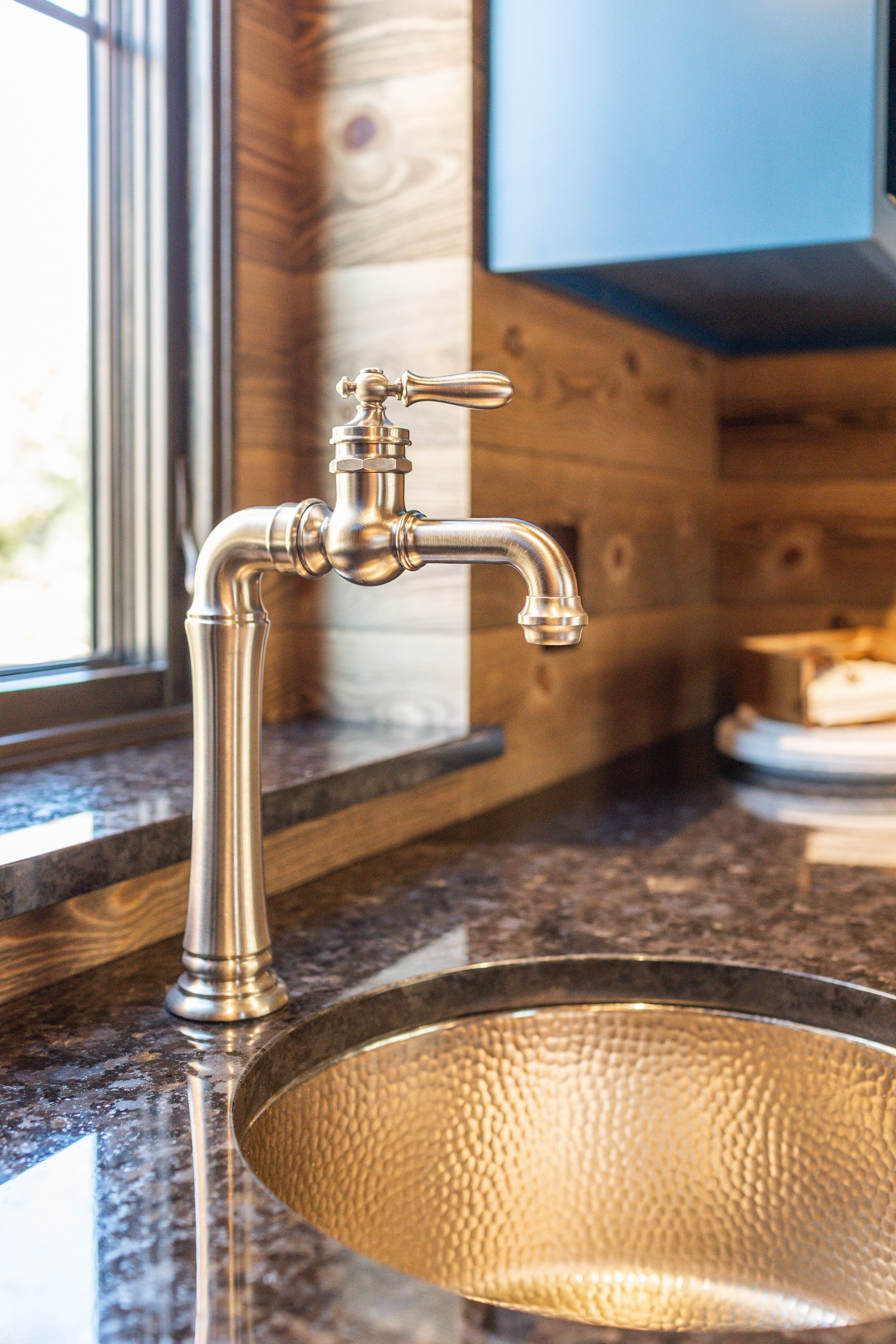
5 Key Trends in Building a New Custom Home in Southwest Michigan
Crafting a custom home in Southwest Michigan is an opportunity to weave your lifestyle and preferences into every nook and cranny. The trends in home construction and design are ever-evolving, shaping the way these homes are envisioned and built. In this article, we delve into the top five trends currently dominating the landscape of custom home construction in Southwest Michigan.
Crafting a custom home in Southwest Michigan is an opportunity to weave your lifestyle and preferences into every nook and cranny. The trends in home construction and design are ever-evolving, shaping the way these homes are envisioned and built. In this article, we delve into the top five trends currently dominating the landscape of custom home construction in Southwest Michigan.
Open-Concept Living: Traditional notions of segmented spaces are giving way to a preference for open-concept layouts. The allure lies in the fluidity and cohesion that open spaces bring. Kitchens seamlessly transition into dining areas and lounges, forming a central focal point for social gatherings and entertainment. The result is not just aesthetic but a lifestyle that promotes interaction and adaptability.
Seamless Integration of Smart Technology: The surge in smart home technology has profoundly reshaped how homes function. This trend is evident in Southwest Michigan's custom homes, where homeowners are incorporating intelligent devices into their living spaces. From intuitive lighting systems and thermostats to home security and entertainment centers, smart technology offers elevated convenience, security, and comfort.
Embracing Outdoor Living: The picturesque landscapes of Southwest Michigan beckon homeowners to amplify their outdoor living spaces. Covered patios, screened porches, and alfresco dining areas are becoming quintessential features of custom homes. These exterior extensions serve as havens for relaxation, hosting guests, and savoring the region's natural beauty.
Organic Color Palettes: Interior design has taken a turn toward serene and organic color schemes. In Southwest Michigan's custom homes, neutral tones, soft hues, and natural textures are gaining prominence. These colors evoke tranquility and a seamless connection with the outdoors, while locally-sourced materials like wood and stone reinforce the home's intrinsic ties to its surroundings.
Customization Beyond Square Footage: The concept of a custom home extends beyond mere square footage. Southwest Michigan's custom home builders are witnessing a surge in requests for unique, personalized features that cater to specific hobbies and interests. From home gyms and meditation rooms to art studios and wine cellars, homeowners are embracing the opportunity to tailor their spaces to their passions.
Embarking on the journey of constructing a custom home in Southwest Michigan is akin to composing a masterpiece that reflects your personality and aspirations. The current trends, including open-concept living, smart technology integration, outdoor sanctuaries, organic color palettes, and personalized spaces, are steering the direction of custom home construction in this captivating region. By embracing these trends, you're not only crafting a captivating living space but also ensuring that your home remains a testament to your vision for years to come.

Your Guide to Finding the Perfect Interior Designer for Your Dream Home
Turning your house into a dream home requires more than just an eye for aesthetics; it requires the expertise of a skilled interior designer. A talented interior designer can bring your vision to life, transforming your living spaces into an exquisite reflection of your personality and style. However, finding the perfect interior designer who understands your needs and aligns with your design sensibilities can be a daunting task. In this blog post, we'll uncover the secrets to help you find the ideal interior designer who will make your design dreams a reality.
Turning your house into a dream home requires more than just an eye for aesthetics; it requires the expertise of a skilled interior designer. A talented interior designer can bring your vision to life, transforming your living spaces into an exquisite reflection of your personality and style. However, finding the perfect interior designer who understands your needs and aligns with your design sensibilities can be a daunting task. In this blog post, we'll uncover the secrets to help you find the ideal interior designer who will make your design dreams a reality.
Define Your Style and Goals
Before embarking on the search for an interior designer, take some time to define your personal style and design goals. Explore various design styles, gather inspiration from magazines and online platforms, and create a mood board to encapsulate your preferences. Knowing your design direction will not only make the selection process easier but will also help your prospective designer understand your vision better.
Research, Research, Research
Start your search for the perfect interior designer by conducting thorough research. Utilize online resources, read reviews, and explore designers' portfolios on their websites and social media platforms. Look for designers who have experience in projects similar to yours and possess a portfolio that resonates with your style. Take note of their accomplishments, design philosophy, and client testimonials to get a sense of their expertise and approach.
Seek Referrals and Recommendations
Word-of-mouth recommendations can be invaluable when it comes to finding the right interior designer. Reach out to friends, family, and colleagues who have worked with interior designers in the past and ask about their experiences. Their insights can provide you with valuable information and may lead you to a designer who matches your requirements.
Check Credentials and Certifications
Ensure that the interior designer you consider has the necessary credentials and certifications. A professional designer should have relevant qualifications, such as a degree in interior design or architecture, and membership in reputable design associations. Certifications validate their expertise and adherence to industry standards.
Set Clear Budgetary Expectations
Discussing budgetary expectations upfront is crucial when choosing an interior designer. Be transparent about your budget constraints and inquire about the designer's fee structure and payment policies. A skilled designer will work with your budget to create a design plan that delivers maximum value.
Schedule Consultations
Narrow down your list to a few prospective interior designers and schedule consultations with each of them. During these meetings, pay attention to their communication style, level of enthusiasm, and ability to listen and understand your ideas. A good designer will ask thoughtful questions and seek to comprehend your lifestyle and preferences.
Review Previous Projects
Request to see examples of the interior designer's previous work. This will give you a tangible sense of their design expertise, attention to detail, and creativity. Ask about their design process and how they handle challenges that may arise during a project.
Consider Compatibility
Finding the perfect interior designer extends beyond design skills; it also involves finding someone you can comfortably communicate with and trust. Look for a designer who you feel comfortable collaborating with and who values your input as an essential part of the design process.
Choosing the perfect interior designer requires patience, research, and clear communication. By defining your style, conducting thorough research, seeking recommendations, and reviewing previous work, you can find an interior designer who will bring your vision to life and create a space that feels uniquely yours. Remember that a successful partnership with your interior designer is built on open communication, mutual respect, and a shared passion for creating beautiful and functional spaces. With the right designer by your side, your dream home is just one step closer to becoming a reality.